10 Early Autism Signs Parents Often Miss — What to Look For at Every Age
By Led Bradshaw, a Single Dad on an Autism Journey
As parents, we want to believe every new behavior is “just a phase.” We look at differences and assume our kids will “catch up.” I did this for years — not because I didn’t care, but because I didn’t know what those differences meant.
My son Jake wasn’t developing like other children. But I didn’t recognize the signs at first. I thought he was shy… or just unique in his own way. What I didn’t realize was that Jake was communicating with me — just not in the way I expected.
This guide isn’t here to diagnose your child. It’s here to help you notice what you may not know to look for yet — the same signs I overlooked before I understood autism. If you’ve ever wondered whether your child might be on the autism spectrum, here are 10 subtle signs that can help you pay closer attention.
Delayed Speech or Unusual Language Development
Some autistic children:
Speak later than expected
Repeat words or phrases over and over (echolalia)
Use a unique tone, rhythm, or “scripted” speech
Communication differences are often one of the first early indicators.
Limited Eye Contact or Social Engagement
You might notice:
Little eye contact
Not responding to their name consistently
Preferences for being alone
It doesn’t always mean they’re disinterested — social interaction can feel overwhelming.
Sensory Sensitivities or Overreactions
Bright lights, loud sounds, certain foods or textures can cause:
Meltdowns
Avoidance behaviors
Covering ears or squinting at lights
Some kids experience the world more intensely than others.
Strong Need for Routine and Predictability
Does change lead to distress?
Do they need to arrange things in a certain way?
Routines create safety.
Unexpected changes create anxiety.
Intense Interests or Repetitive Behavior
Some autistic children:
Are deeply focused on one topic
Line up toys instead of playing with them
Repeat motions like rocking, hand-flapping, or spinning
These interests can become superpowers when nurtured.
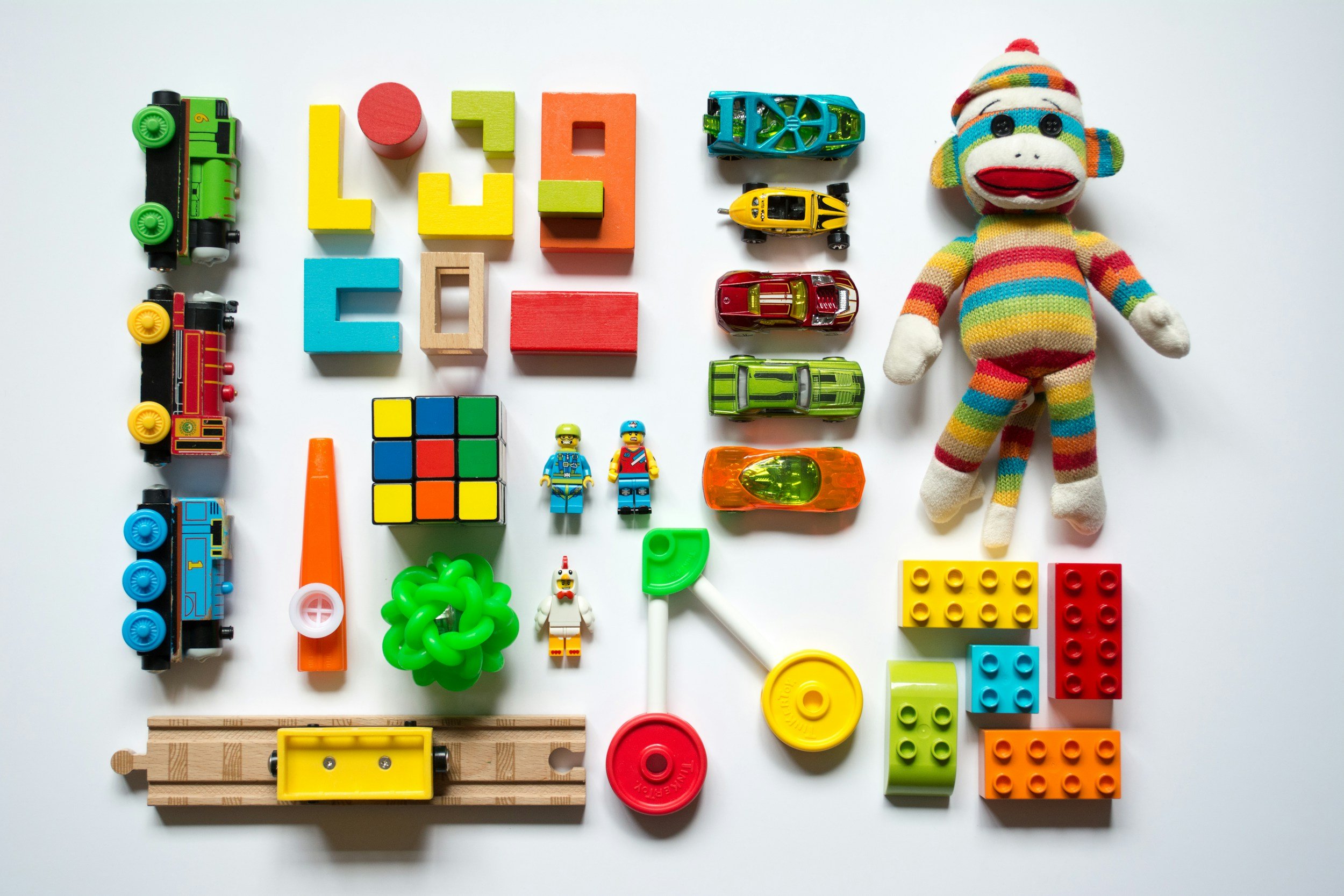
Difficulty with Pretend Play or Social Play
You may notice:
Struggles with shared imaginative play
Trouble taking turns or following social rules
Preferring predictable, structured activities
This doesn’t mean a lack of creativity — it means creativity looks different.
Coordination Differences or Unusual Movement
This might look like:
Awkward walking or running
Challenges with fine motor skills
Trip-ups, spills, or clumsiness
Motor development varies widely among autistic kids.
Meltdowns or Shutdowns That Are Hard to Explain
Instead of tantrums, these are overwhelm responses:
Sudden emotional flooding
Going quiet or withdrawing
Overreactions to minor triggers
This is the nervous system saying: “Too much.”
Trouble Understanding Non-Verbal Cues
They may find it hard to read:
Tone of voice
Facial expressions
Body language or sarcasm
The “unwritten rules” of interaction aren’t always obvious.
Regression or Sudden Loss of Skills
You may see:
Words they once used disappear
Social skills suddenly decline
A big shift in behavior or engagement
Regression is one of the clearest signs that support might help.
You Are Not Alone — and There IS Support
If you notice several of these signs, the next step is simple:
Talk to your pediatrician
Request an evaluation
Reach out for guidance and services early
Early understanding can build confidence — for both you and your child.
And remember:
Autism doesn’t take away your child’s superpowers.
It helps you discover them.
How Creativity Helped My Son Thrive (and Can Help Yours Too)
When Jake put on his first superhero costume, everything changed:
His posture got stronger
His confidence grew
His voice mattered
Superhero cosplay, art therapy, and storytelling helped him communicate and connect in brand-new ways.
If your child responds to creativity — follow that spark.
The world needs their version of a superhero.
Before You Go…
Every child’s timeline is different.
Every child communicates differently.
And autism doesn’t change your child’s worth — it changes the way you see their strengths.
If this guide helped you, check out these next:
👉 My Single Dad Autism Journey — 5 Lessons That Changed My Parenting Forever
👉 How Superhero Cosplay Helps Autistic Kids Build Confidence
👉 Signs I Didn’t Notice: What I Learned Too Late
Join the Jetpulse Community
Get more autism-support stories, creative tools, and parenting encouragement straight to your inbox.
📩 Subscribe today and be part of something heroic.
Want to Go Deeper Into Our Story?
If you’d like to read how art, routine, and imagination transformed my connection with Jake — I wrote our journey in a book for parents just like us:
Becoming His Superhero: Art, Imagination, and the Parenting Lessons That Changed Everything
https://www.thejetpulse.com/becoming-his-superhero-autism-parenting-ebook
It’s a story of how I learned to meet my son where he is, see his strengths, and help him become the hero he always imagined.