


The Ultimate Autism Parenting Guide: Practical Strategies for Building Confidence, Communication, and Emotional Growth

When my son Jake was diagnosed with autism at three and a half years old, I thought I had two jobs.
The first was to understand autism.
The second was to help my son navigate a world that wasn't always built for the way he experienced it.
Like many parents, I spent countless nights searching online for answers. I wanted to know what autism was, how to help my child communicate, how to build confidence, how to support emotional development, and how to prepare him for a future I couldn't yet imagine.
What I discovered was that autism parenting isn't about finding a single solution.
It's about building a toolbox.
It's about learning how your child communicates, how they learn, what motivates them, what challenges them, and most importantly, who they are as a person.
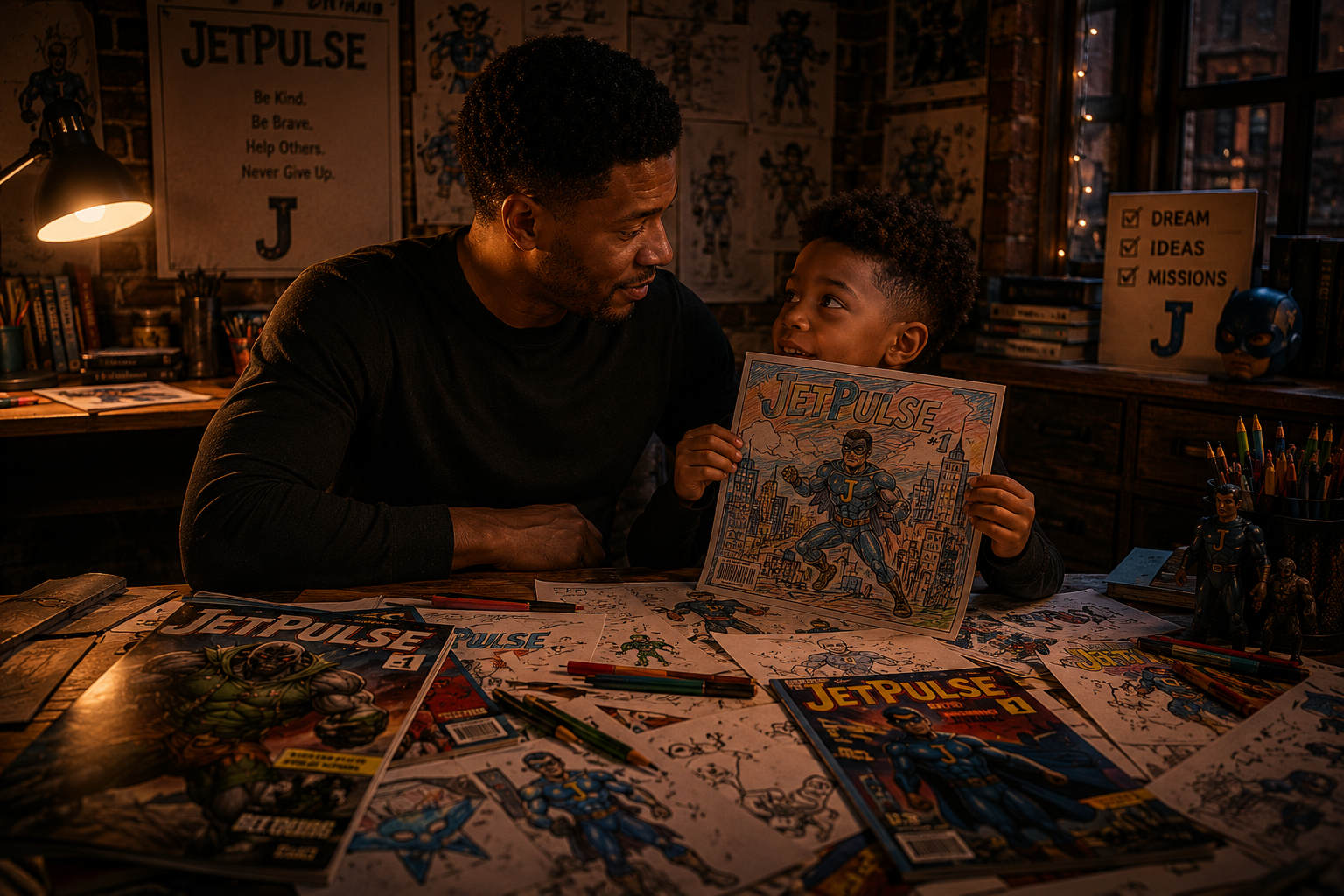
Over the years, creativity became one of the most valuable tools in our toolbox. Drawing, storytelling, superheroes, imagination, and visual expression helped us connect in ways traditional approaches sometimes couldn't.
This guide combines practical autism parenting strategies, emotional development tools, art therapy concepts, communication techniques, and confidence-building activities that have helped countless families navigate their own journeys.
Whether you're a parent, grandparent, caregiver, educator, or therapist, my hope is that you'll leave this guide with new ideas, encouragement, and a reminder that progress is possible.
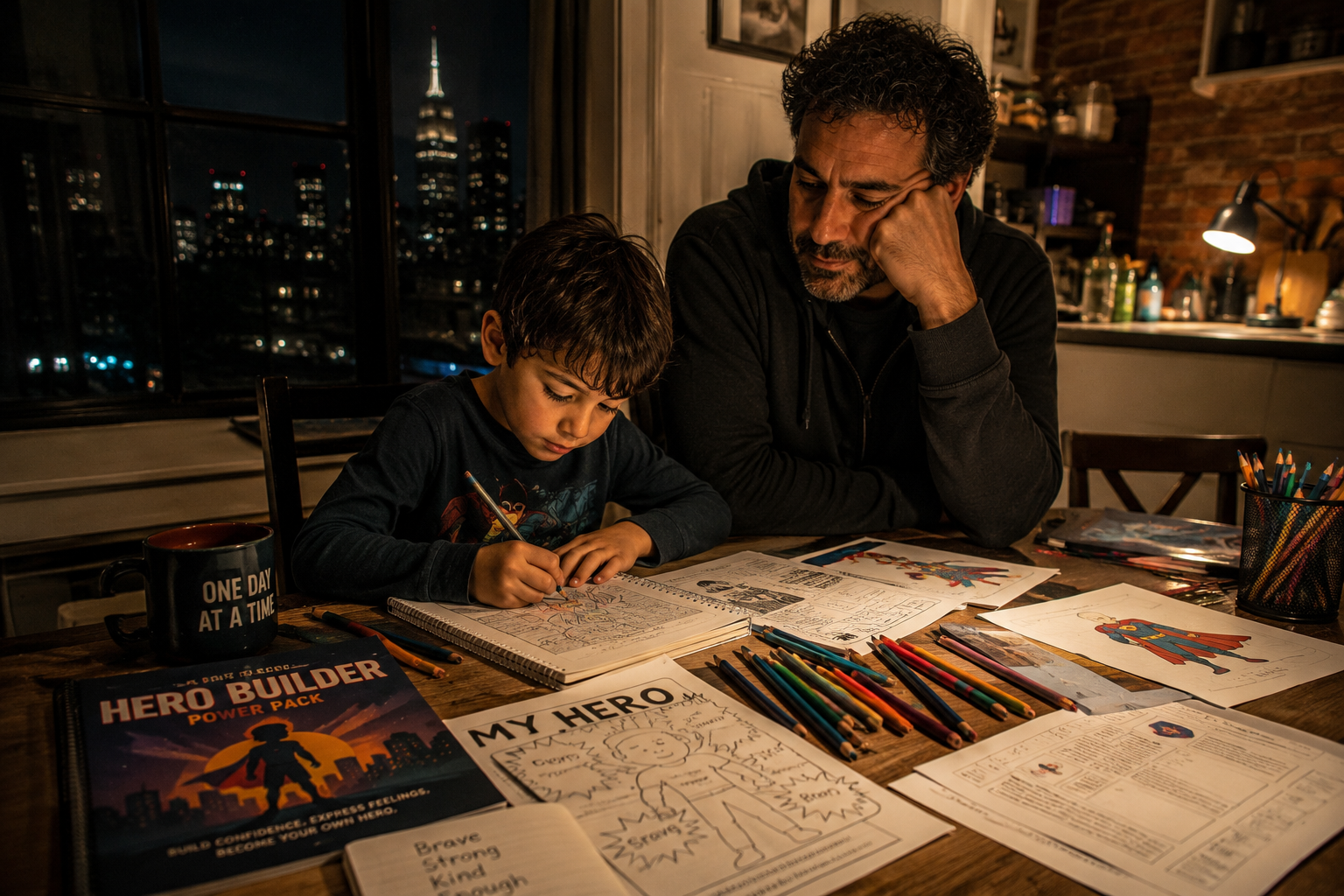
Understanding Autism Beyond the Diagnosis
One of the first lessons many parents learn is that autism looks different for every child.
No two autistic children are exactly alike.
Some children are highly verbal.
Others communicate through alternative methods.
Some love social interaction.
Others need more time alone.
Some thrive with routine.
Others crave exploration and novelty.
That's why it's important to move beyond labels and focus on the individual child.
The diagnosis may help explain certain challenges, but it doesn't define your child's personality, talents, interests, dreams, or future potential.
Parents often hear statistics, percentages, and predictions.
What matters most is understanding the child standing in front of you.
Ask yourself:
What makes my child happy?
What captures their attention?
What activities calm them?
What motivates them?
How do they communicate best?
The answers to those questions often become the foundation of meaningful growth.

Building Communication Through Creativity
Communication is about far more than spoken words.
Many autistic children communicate through:
Art
Drawing
Music
Movement
Storytelling
Technology
Play
Parents sometimes become so focused on verbal communication that they overlook the powerful ways children are already expressing themselves.
A drawing may communicate emotions.
A story may reveal concerns.
A favorite character may represent a child's hopes or fears.
When we learn to recognize these forms of communication, we gain valuable insight into our child's inner world.
Instead of asking:
"What are you feeling?"
Try asking:
"Tell me about this picture."
"Tell me about this character."
"What happens next in the story?"
Those conversations often unlock emotional expression that direct questions cannot.
Communication grows when children feel understood.
The goal isn't simply teaching children to communicate more like adults.
The goal is building bridges between their world and ours.
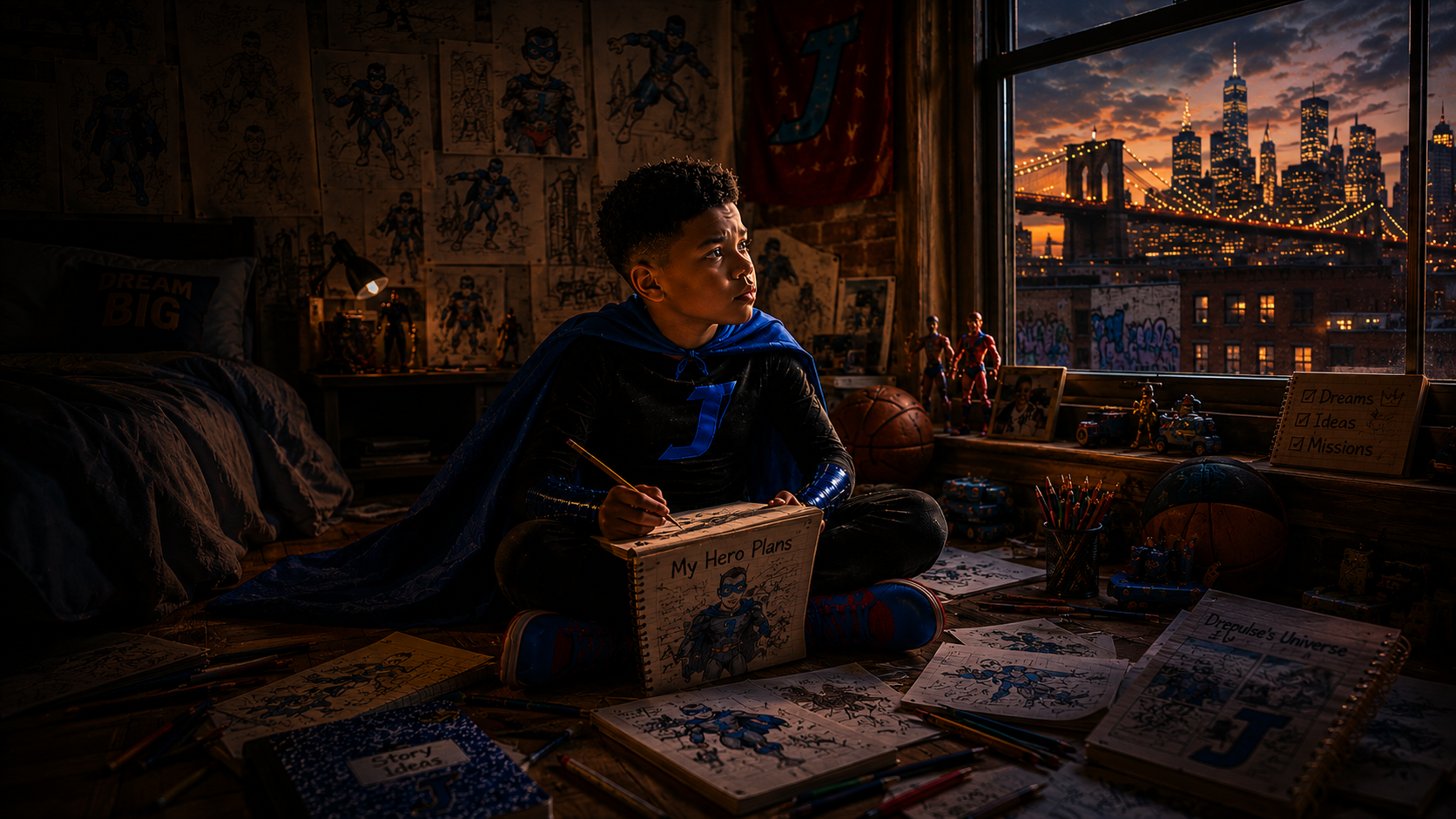
How Drawing Helps Autistic Children Express Emotions
Many autistic children experience emotions deeply.
The challenge is not necessarily feeling emotions.
The challenge is sometimes identifying, organizing, and expressing those emotions.
Drawing can help.
A blank sheet of paper creates a safe environment for emotional exploration.
Children may draw:
Heroes overcoming obstacles
Characters facing fears
Storms representing frustration
Happy endings representing hope
These creations often become opportunities for meaningful conversations.
Drawing also reduces pressure.
There are no wrong answers.
No social expectations.
No fear of saying the wrong thing.
Just expression.
For many families, art becomes one of the most effective tools for emotional regulation, communication, and connection.
Related Reading:
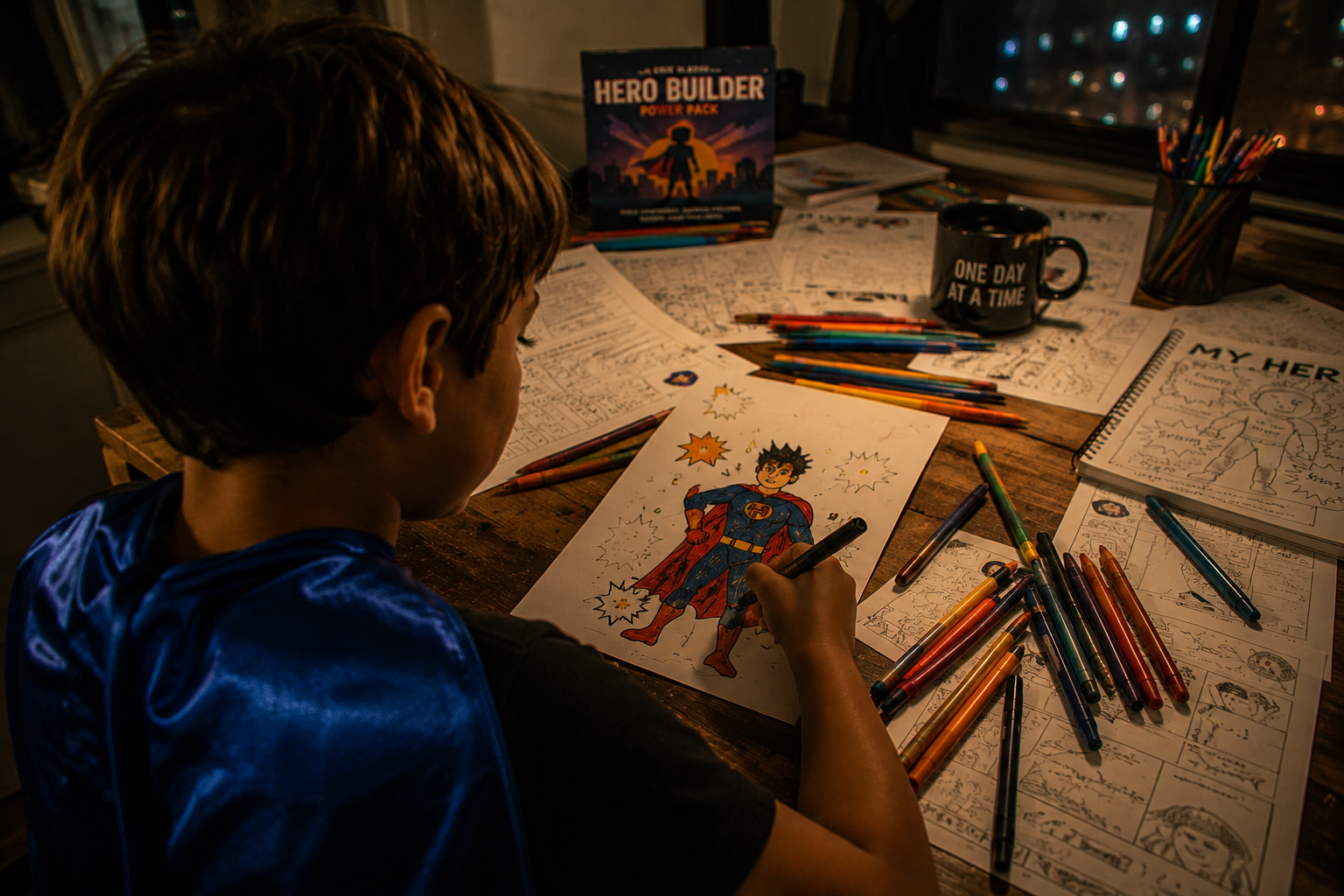
Why Art Therapy Can Be So Effective for Autistic Children
Art therapy for autistic children isn't about creating perfect artwork.
It's about creating opportunities for:
Self-expression
Confidence building
Emotional regulation
Communication
Creative problem-solving
When children create art, they gain control over their environment.
They make choices.
They explore ideas.
They practice decision-making.
Most importantly, they experience success.
Art therapy activities can be especially beneficial because they allow children to process experiences visually rather than relying exclusively on language.
Parents frequently report improvements in:
Emotional awareness
Focus
Confidence
Frustration tolerance
Family connection
Simple activities can include:
Drawing favorite characters
Creating comic strips
Designing superhero costumes
Painting emotions
Visual journaling
The process matters more than the finished product.
Related Reading:

The Hidden Power of Superheroes and Imagination
When most people think about superheroes, they think about entertainment.
Children often see possibility.
Superheroes face challenges.
They experience setbacks.
They make mistakes.
They learn.
They grow.
Those lessons mirror real life.
For autistic children, superheroes can become powerful emotional role models.
A child who struggles with confidence may create a brave hero.
A child who feels different may create a character whose differences become their greatest strengths.
A child who experiences anxiety may imagine a hero learning to overcome fear.
Stories create safe opportunities to explore real emotions.
The superhero becomes a mirror.
The adventure becomes a lesson.
The imagination becomes a classroom.
Related Reading:

Building Confidence One Small Victory at a Time
Confidence rarely appears overnight.
It grows through repeated experiences of success.
Parents sometimes focus so heavily on future goals that they overlook present victories.
Learning a new word.
Trying a new food.
Making eye contact.
Completing a drawing.
Participating in a conversation.
Each victory matters.
Confidence grows when children experience progress.
One effective strategy is celebrating effort rather than perfection.
Instead of saying:
"Great job because you got it right."
Try saying:
"I'm proud of how hard you worked."
That subtle shift teaches children that growth comes from persistence, not perfection.
Children who learn to value effort become more willing to take risks, try new things, and recover from setbacks.

Creating Meaningful Parent-Child Connections
Some of the most important moments happen during ordinary activities.
Drawing together.
Walking together.
Building stories together.
Creating characters together.
Parents often feel pressure to become therapists, teachers, advocates, and experts.
Sometimes your most important role is simply being present.
Connection creates trust.
Trust creates communication.
Communication creates growth.
The strongest interventions in the world cannot replace a strong parent-child relationship.
When children feel safe, understood, and supported, growth becomes much easier.
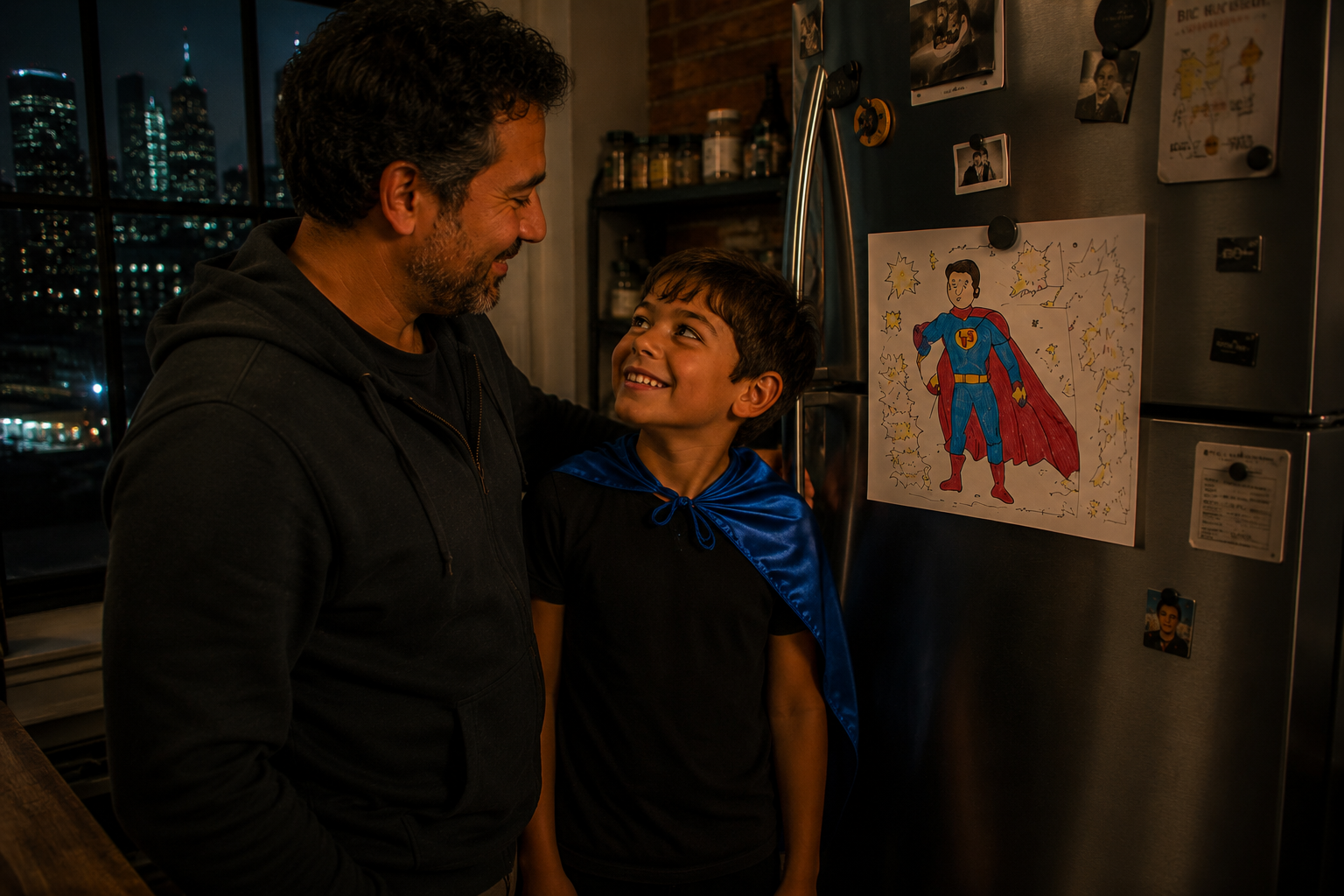
Practical Autism Parenting Tips for Everyday Life
Here are simple strategies parents can begin using immediately:
Follow Your Child's Interests
Interests create motivation.
Motivation creates engagement.
Create Predictable Routines
Predictability reduces anxiety and builds confidence.
Use Visual Supports
Pictures, schedules, charts, and visual reminders often improve understanding.
Encourage Creative Expression
Art, storytelling, music, and imagination create opportunities for communication.
Celebrate Progress
Focus on growth rather than comparison.
Build on Strengths
Every child has strengths.
Those strengths often become pathways for future development.

Helpful Resources for Autism Parents
Every family's journey is different.
The goal isn't finding one perfect solution.
The goal is continuously adding tools that help your child grow.
Recommended Resources:
Final Thoughts
When Jake was diagnosed, I thought my job was to fix problems.
Over time, I realized my real job was something very different.
My job was to discover who he already was.
To understand how he saw the world.
To help him build confidence.
To encourage creativity.
To celebrate progress.
And to remind him that his voice mattered.
Autism parenting is not about changing who your child is.
It's about helping them become more fully themselves.
The journey can be challenging.
It can be exhausting.
It can also be incredibly rewarding.
Every conversation.
Every drawing.
Every breakthrough.
Every small victory.
They all matter.
And sometimes the greatest growth begins with something as simple as a pencil, a blank sheet of paper, and a parent willing to listen.

About the Author
Led Bradshaw is the founder of Jetpulse Studios, author, advocate, and father to an autistic son who inspired a creative journey built around art therapy, visual storytelling, emotional growth, and imagination. Through Jetpulse, Led helps parents discover practical tools for building confidence, communication, and self-expression in autistic children through creativity and connection.