How Creating a Superhero Helped My Autistic Son Build Self-Esteem

There was a moment when I realized traditional approaches were not reaching my son.
Charts.
Schedules.
Behavior systems.
Reward systems.
Some helped a little. Some helped temporarily. But none of them truly gave him ownership over who he believed he could become.
What finally changed things was something much simpler — and much more powerful.
We created a superhero.
Not a perfect superhero.
Not a famous superhero.
A superhero built from him.
And that changed everything.
Why Superheroes Matter to Neurodivergent Kids
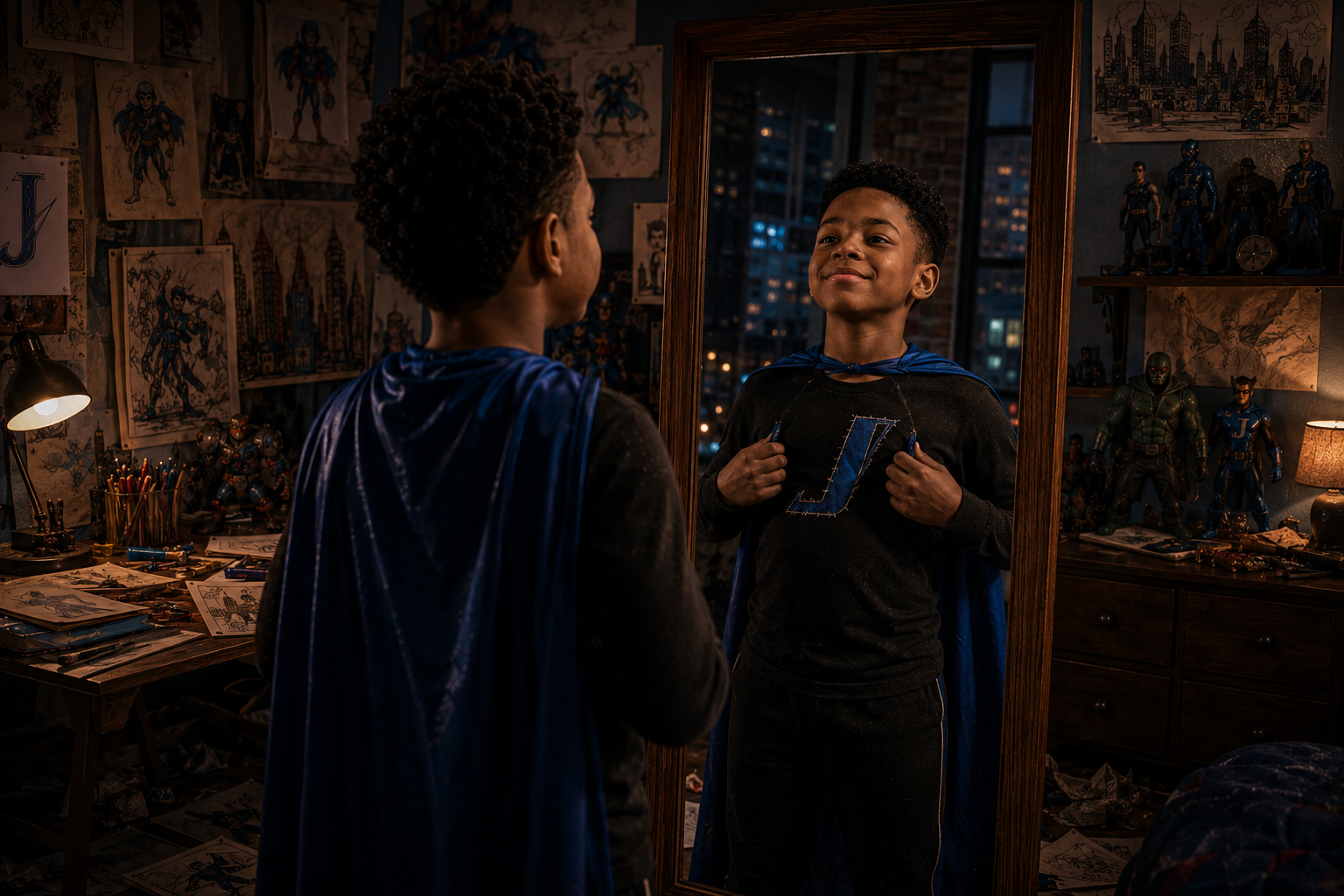
Children naturally process emotions through stories, imagination, creativity, and identity-building.
For many neurodivergent children, especially autistic children, direct emotional conversations can sometimes feel overwhelming, abstract, or difficult to translate into real-world language. But storytelling creates emotional distance in a safe way.
A child may struggle to say:
“I feel anxious.”
“I feel different.”
“I feel misunderstood.”
But they may easily say:
“My hero gets nervous around crowds.”
“My hero doesn’t always understand people.”
“My hero has powers other people don’t understand yet.”
That changes the conversation completely.
The superhero becomes a bridge between emotions and communication.
The Moment Things Started Changing
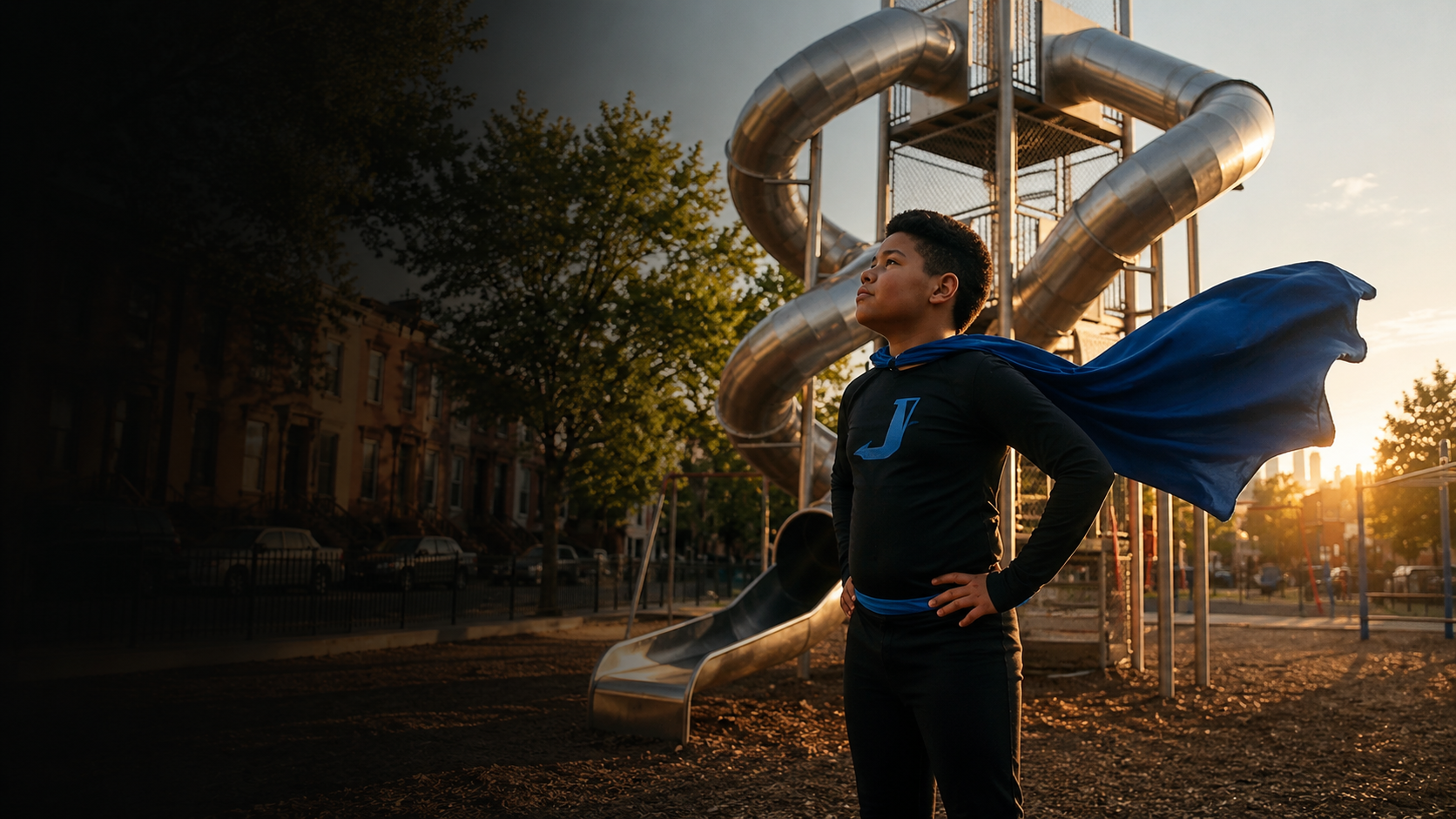
One afternoon, we sat down together with paper, pencils, and markers.
I asked him:
“If you could create a hero that represents you, what would they be like?”
That single question opened a door.
Suddenly:
he was talking more,
imagining more,
describing emotions,
explaining strengths,
identifying fears,
and building confidence through creativity.
His superhero wasn’t just a drawing.
It became a version of himself he could safely explore.
A version that felt strong.
Capable.
Important.
Seen.
And for the first time in a long time, I watched him light up with genuine pride.
Building Confidence Through Creative Emotional Learning
What surprised me most was how naturally emotional learning started happening once creativity entered the process.
As we built the character together, we explored:
strengths,
weaknesses,
problem-solving,
resilience,
emotional regulation,
identity,
and confidence.
Without pressure.
Without judgment.
Without making him feel “wrong.”
That matters.
Because many autistic children spend years feeling like they are constantly being corrected, redirected, or misunderstood.
The Hero Builder Method shifted the focus.
Instead of asking:
“What’s wrong?”
We started asking:
“What makes you powerful?”
That mindset shift is enormous for self-esteem.
Why Representation and Ownership Matter
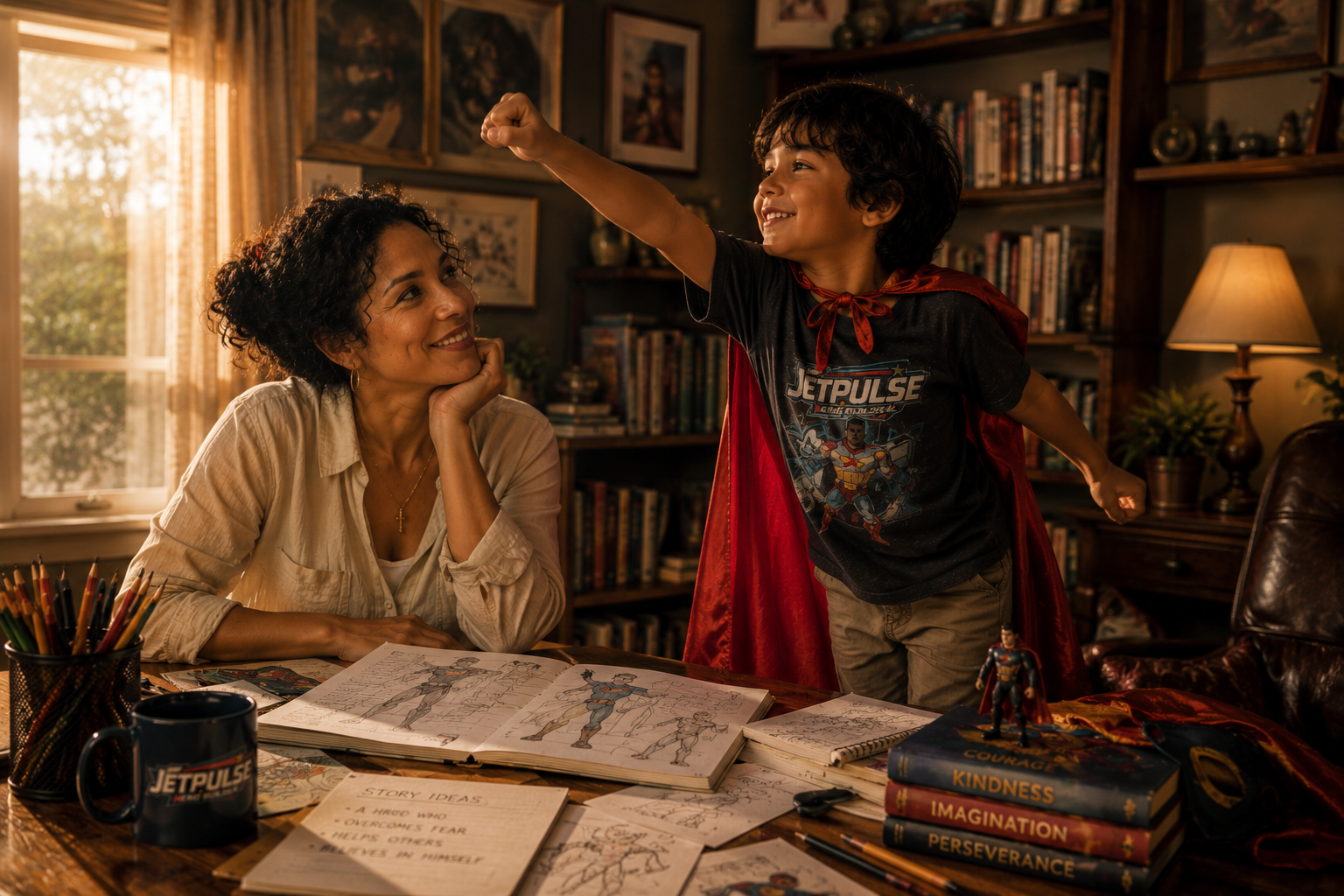
One of the biggest breakthroughs came from ownership.
This wasn’t a pre-made worksheet with generic answers.
This wasn’t another program telling him who he should become.
This was HIS hero.
HIS world.
HIS story.
He controlled:
the powers,
the design,
the mission,
the personality,
and the emotional journey.
That ownership created emotional investment.
And emotional investment creates engagement.
That’s why creative emotional learning works so well for many neurodivergent children — because it transforms learning into participation.
The Birth of the Hero Builder Method
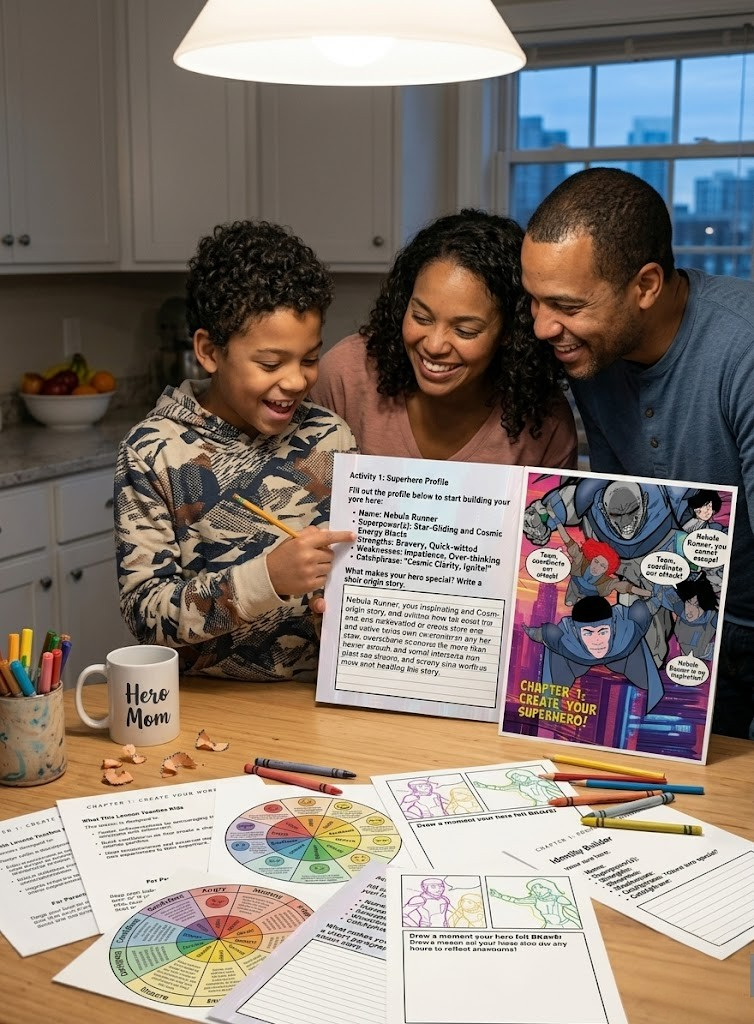
Over time, what started at our kitchen table evolved into something bigger.
We began creating:
superhero emotional learning worksheets,
confidence-building activities,
creative storytelling prompts,
emotional reflection exercises,
and guided activities designed specifically for neurodivergent kids.
Not from a corporate office.
Not from a testing lab.
From lived experience.
The Hero Builder Method was built by a father trying to help his son feel safe, confident, and understood.
Today, those same activities are helping other families start similar conversations inside their own homes and classrooms.
Emotional Learning Should Feel Empowering
Children do not grow through shame.
They grow through connection.
Encouragement.
Creativity.
Identity.
Imagination.
And trust.
Sometimes confidence begins with something as simple as:
drawing a hero,
naming a power,
or imagining a world where being different is not a weakness.
Sometimes becoming the hero is how a child finally begins believing in themselves.
Explore the Hero Builder Method
Discover creative emotional learning activities designed to help neurodivergent children build confidence, emotional awareness, resilience, and self-expression through superhero storytelling and imagination.
FAQ SECTION
How can superheroes help autistic children build confidence?
Superhero storytelling allows autistic children to safely explore emotions, strengths, fears, and identity through creativity and imagination. It creates emotional distance that can make communication feel easier and more natural.
What is the Hero Builder Method?
The Hero Builder Method is a creative emotional learning system that uses superhero storytelling, drawing, writing, and guided activities to help neurodivergent children build confidence, self-awareness, and emotional resilience.
Are superhero worksheets good for social emotional learning?
Yes. Superhero-based SEL activities can help children practice emotional identification, problem-solving, communication, self-esteem, and creative self-expression in an engaging and low-pressure way.
Can these activities be used at home or in classrooms?
Absolutely. The Hero Builder activities are designed for parents, teachers, therapists, homeschool environments, and creative learning spaces that support neurodivergent children.
Why does creative learning work well for autistic children?
Creative learning engages imagination, visual thinking, storytelling, and emotional expression in ways that often feel more natural and empowering for many autistic children than traditional instruction alone.