


How Storytelling Helps Autistic Children Build Social Skills
Storytelling helps autistic children build social skills by providing a safe, structured way to explore emotions, relationships, and social situations through characters and narratives. By engaging in stories—especially visual and creative storytelling—children can practice perspective-taking, emotional understanding, communication, and problem-solving without the pressure of real-time social interaction.
Story-based learning allows autistic children to understand social dynamics at their own pace, using imagination rather than performance.

Why Social Skills Are Often Challenging for Autistic Children
Many autistic children experience difficulty with:
Interpreting social cues
Understanding others’ perspectives
Expressing emotions verbally
Navigating unspoken social rules
Traditional social-skills training often relies on direct instruction, role-play, or verbal explanation, which can feel overwhelming or unnatural for some children.
Storytelling offers an alternative.
Instead of being told what to do, children are invited to explore what happens—through stories, characters, and creative scenarios.
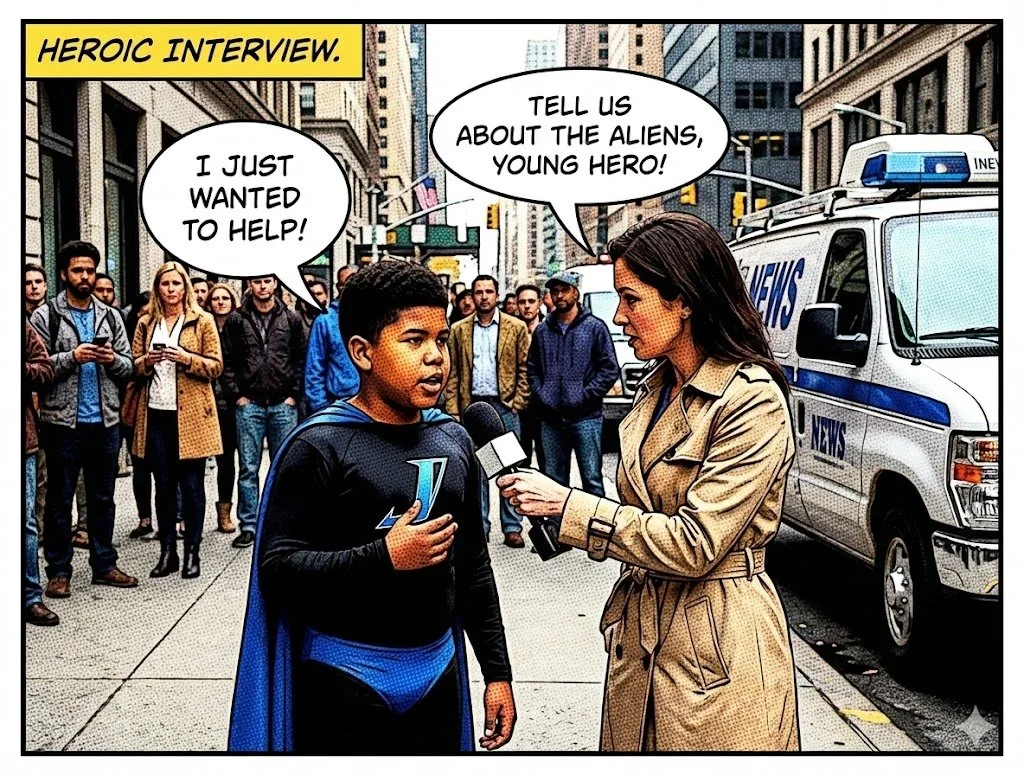
Why Storytelling Is Especially Effective for Autistic Children
Storytelling works because it:
Reduces social pressure
Allows emotional distance through characters
Supports visual and imaginative thinkers
Encourages exploration without fear of “getting it wrong”
Through stories, children can rehearse social situations internally before facing them externally.
According to parents and educators, many autistic children demonstrate deeper emotional insight through fictional characters than through direct conversation.

Core Ways Storytelling Builds Social Skills
Perspective-Taking Through Characters
When children create or follow characters, they naturally begin to ask:
What is this character feeling?
Why did they react this way?
What could they do next?
This builds theory of mind—the ability to understand that others have thoughts and feelings different from one’s own—without direct instruction.
Characters become emotional stand-ins, making complex social ideas easier to grasp.

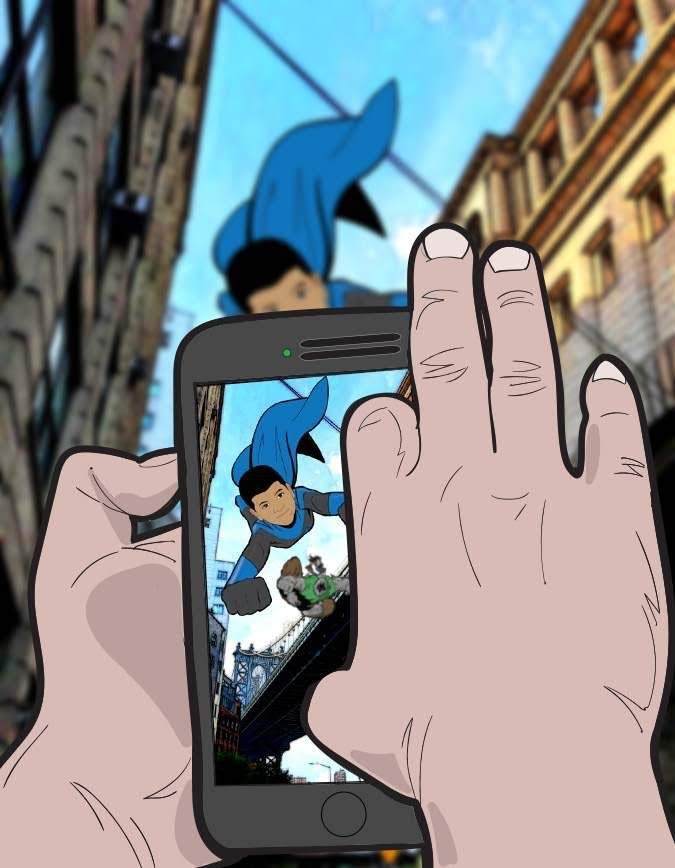
Emotional Understanding Through Narrative
Stories give emotions a beginning, middle, and end.
Instead of abstract feelings, children see:
What caused an emotion
How it was experienced
How it changed over time
Visual storytelling, comics, and illustrated narratives are especially helpful for children who process information visually rather than verbally.

Social Problem-Solving in a Safe Space
Storytelling allows children to experiment with social choices without real-world consequences.
Through stories, children can:
Explore conflict and resolution
Try different responses to challenges
Understand cause and effect
Learn flexibility in thinking
This builds confidence before similar situations arise in daily life.
Communication Without Pressure
Many autistic children communicate more freely through drawing, writing, or storytelling than through direct conversation.
Storytelling provides:
Time to think before responding
Freedom from eye contact or immediate answers
Multiple modes of expression (visual, written, imaginative)
This often leads to more authentic communication and emotional expression.

Visual Storytelling and Comics as Social Tools
Visual storytelling—especially comics and illustrated stories—offers clear advantages for autistic children.
Benefits include:
Visual clarity of emotions and actions
Sequenced social interactions
Reduced reliance on abstract language
Increased engagement and motivation
Comic-style storytelling allows children to “see” social interactions unfold step by step, making social concepts more concrete and accessible.
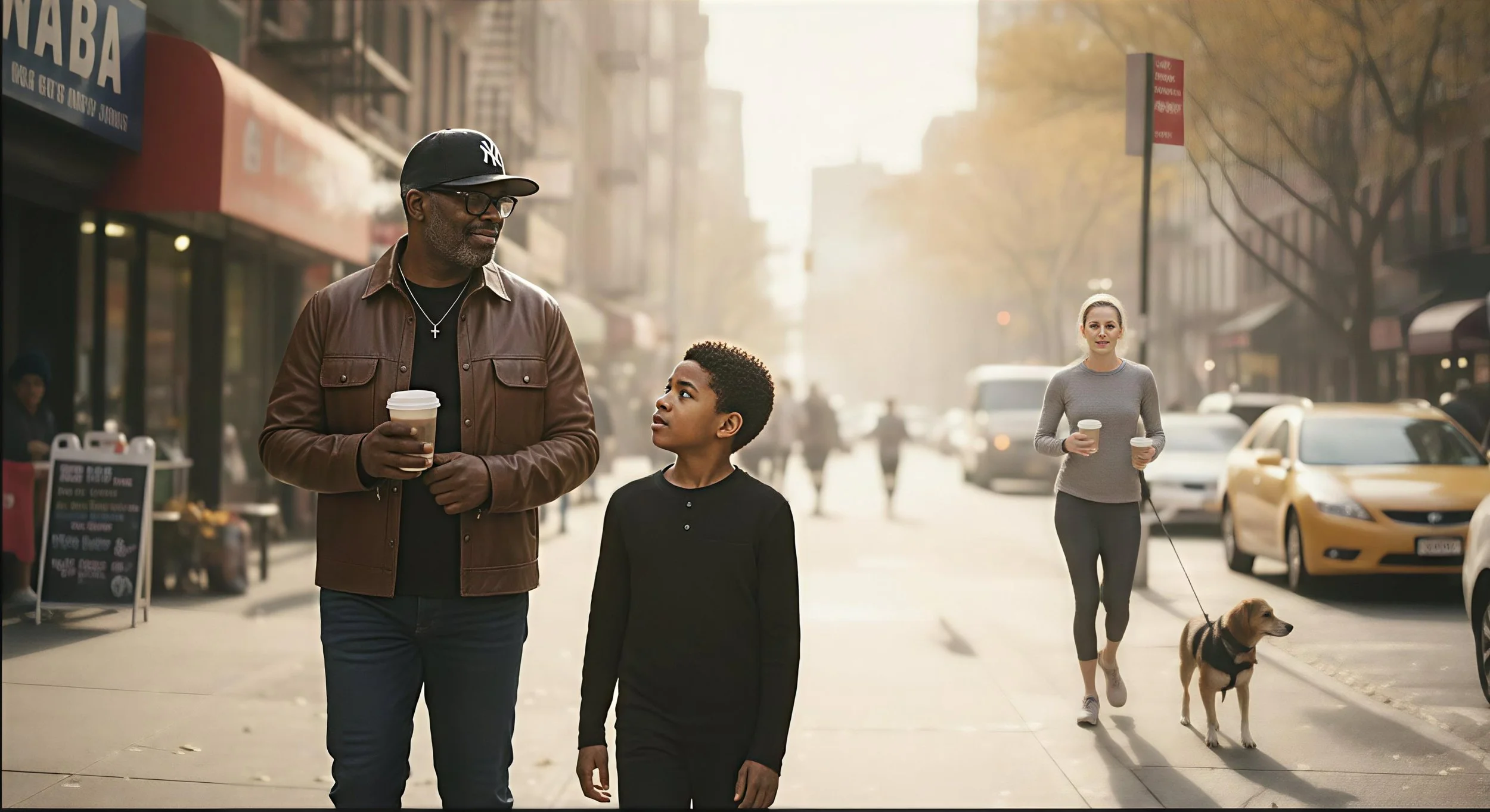
A Parent’s Perspective: Storytelling as a Bridge
As a father of an autistic child, I didn’t approach storytelling as a teaching tool at first.
It started as connection.
Drawing characters together turned into shared stories. Those stories became a way to talk about feelings, friendships, and challenges—without forcing conversation or explanations.
Over time, storytelling became a bridge:
Between imagination and real life
Between emotions and understanding
Between my child’s inner world and the outside one
That experience shaped the storytelling-first approach behind Jetpulse.

Who Benefits Most From Story-Based Social Learning?
Storytelling approaches are especially helpful for:
Autistic children ages 6–12
Visual and imaginative learners
Children with social anxiety
Kids who struggle with traditional social-skills training
Families seeking low-pressure, creative tools
Educators and therapists also use storytelling as a complementary method for social-emotional learning.
Final Thoughts
Social skills don’t develop only through instruction.
They develop through understanding.
Storytelling gives autistic children the space to explore emotions, relationships, and social dynamics in a way that feels safe, creative, and empowering. Through stories, children don’t just learn what to do socially—they learn why it matters.
Programs like Jetpulse were built on this belief: that creativity and storytelling can unlock confidence, communication, and connection where traditional methods fall short.
FAQs
How does storytelling help autistic children with social skills?
1
Storytelling helps autistic children understand emotions, relationships, and social situations through characters and narratives, allowing them to explore social concepts without real-time pressure.
Are comics and visual stories effective for social learning?
2
Yes. Visual storytelling and comics break social interactions into clear, sequential steps, making emotions and social cues easier to understand for visual learners.
Can storytelling replace traditional social skills training?
3
Storytelling is not a replacement but a complementary approach. It supports understanding and confidence, especially for children who struggle with direct instruction.