

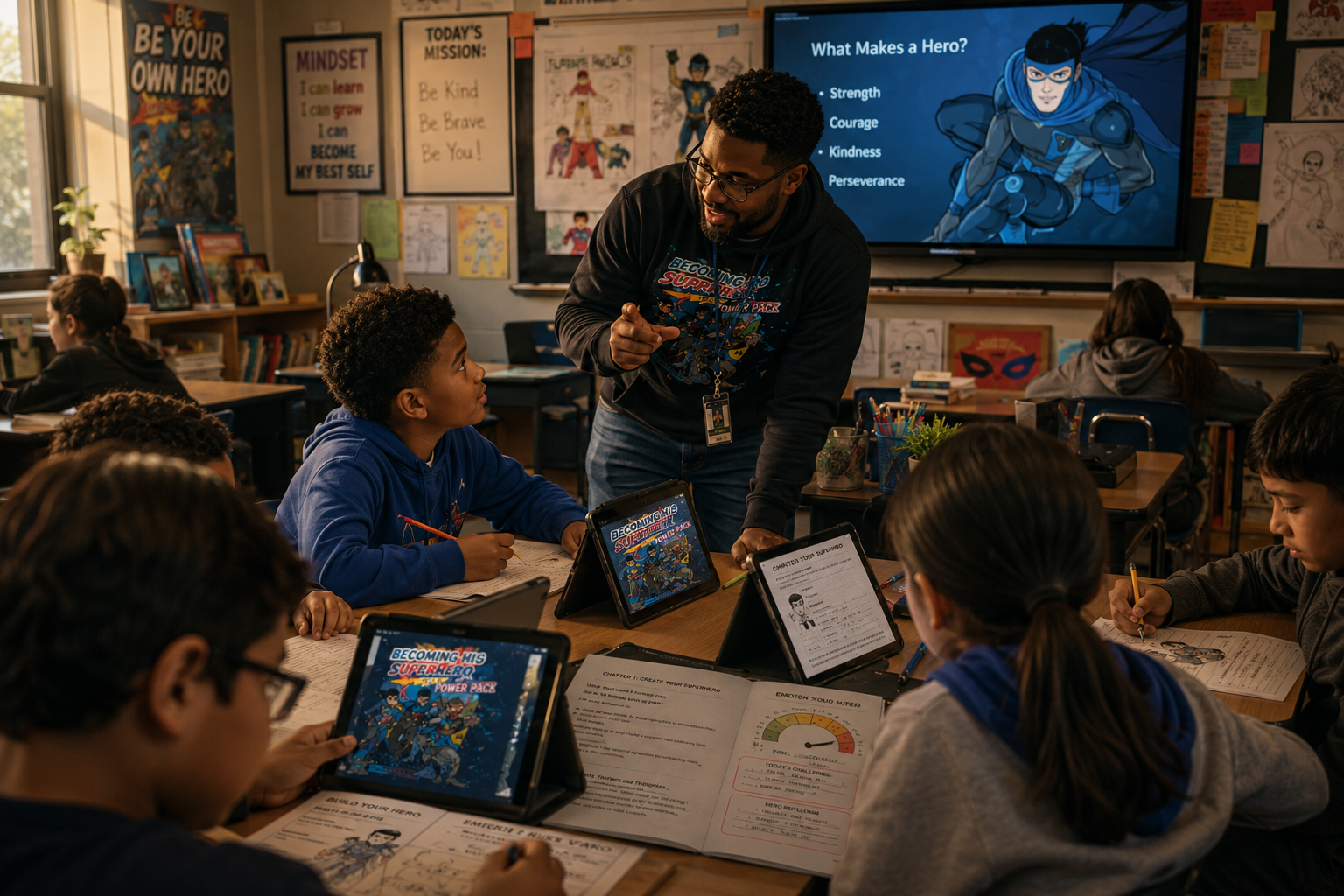
Art Therapy Techniques for Autistic Children That Build Confidence Through Creativity
Helping neurodivergent children express emotions, communicate safely, and build self-confidence through storytelling, imagination, drawing, and superhero identity-building.
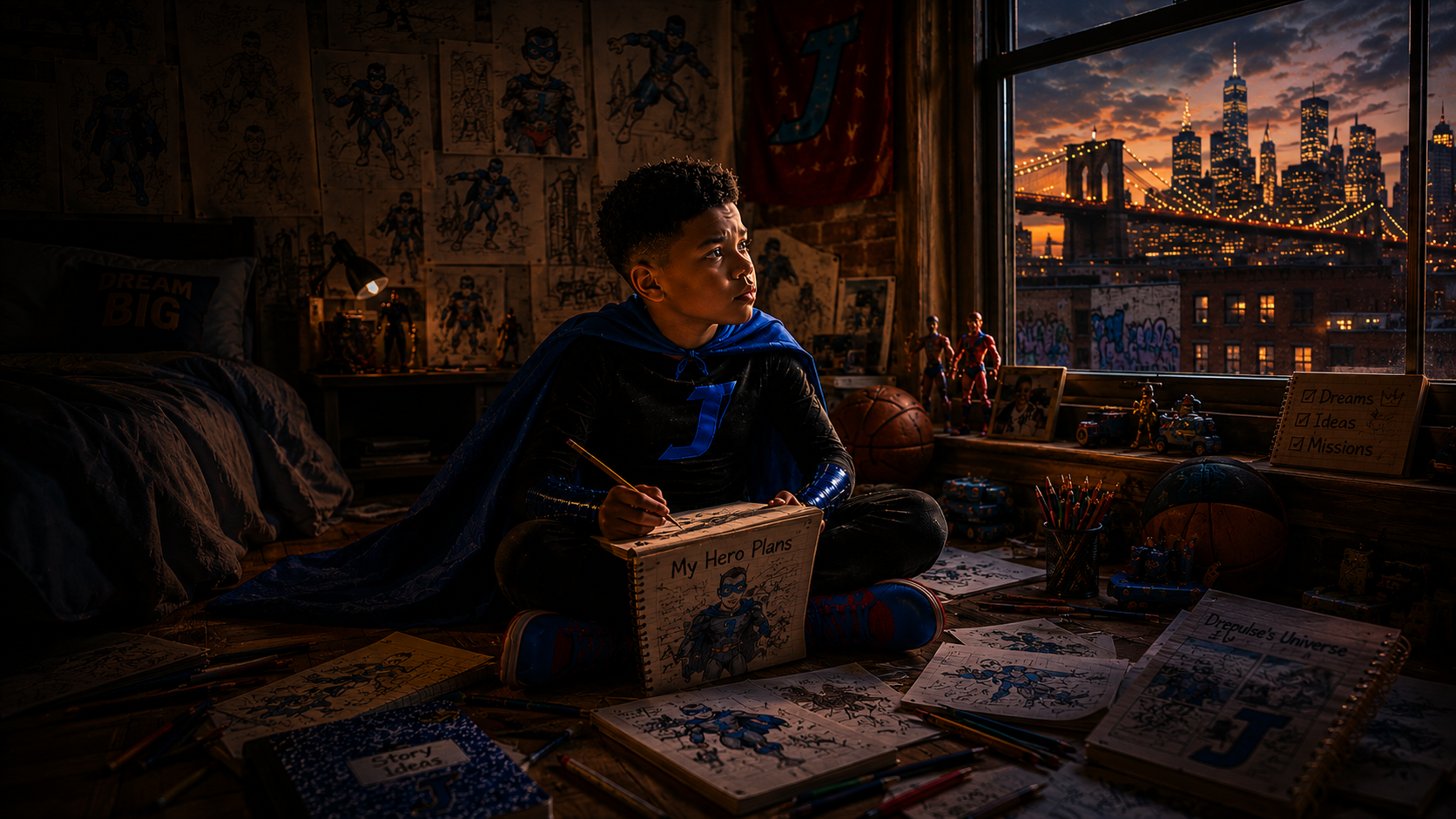
Why Creative Emotional Learning Works
Traditional behavioral therapy often asks neurodivergent children to verbally explain complex inner turmoil. For a child experiencing a high-stress sensory overload or deep anxiety, forcing spoken words can create an immediate bottleneck—leading to frustration, shutdown, or meltdowns.
Creative Emotional Learning shifts the communication style from verbal pressure to visual externalization. By utilizing structured comic panels, character development templates, and emotional color tracking, children can safely project their internal chaos onto an external page. They aren't trying to explain "their" panic anymore; they are simply detailing a story about their character.
This intentional separation provides:
Immediate Cognitive Relief: Lowers defensive anxiety by gamifying emotional regulation.
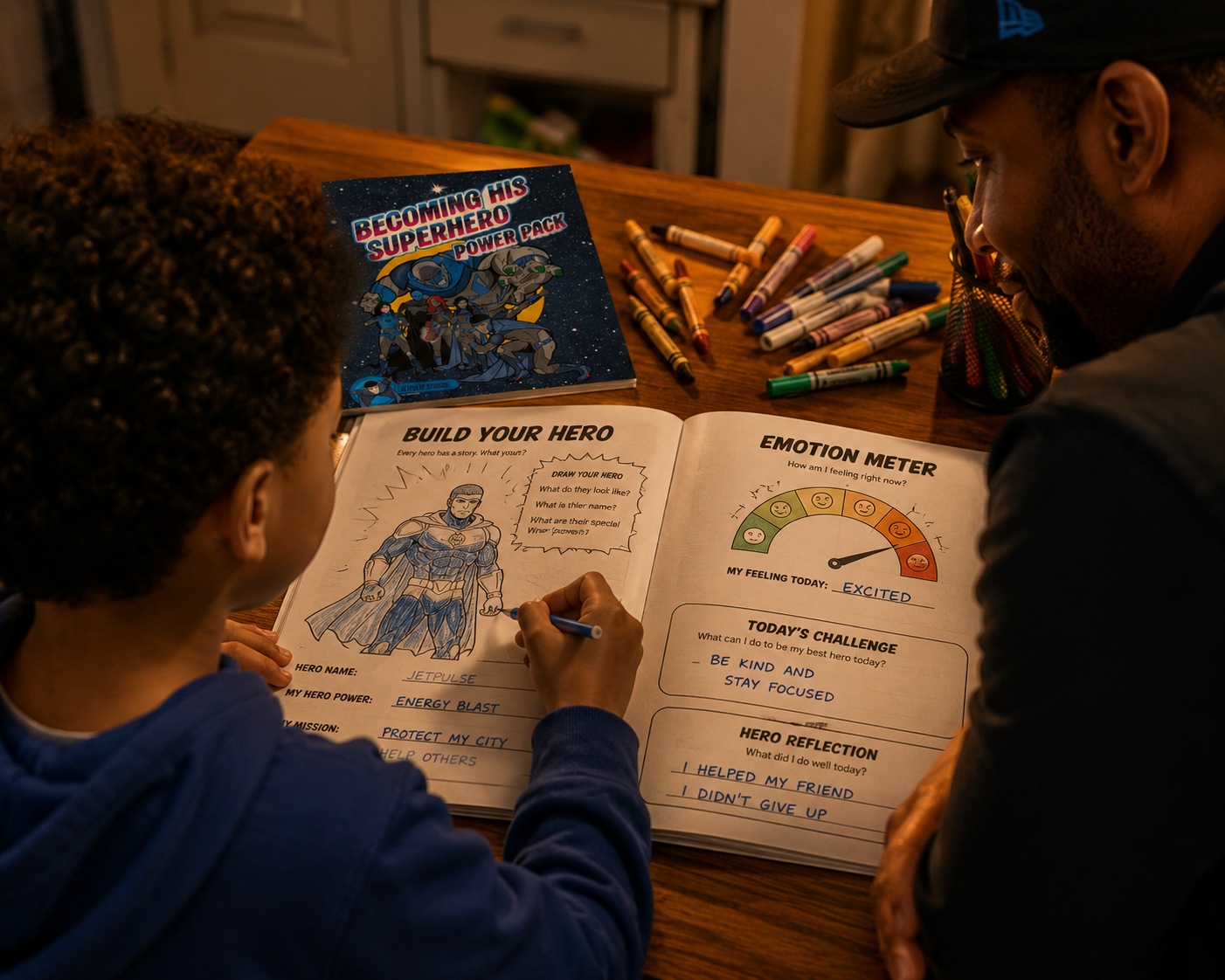
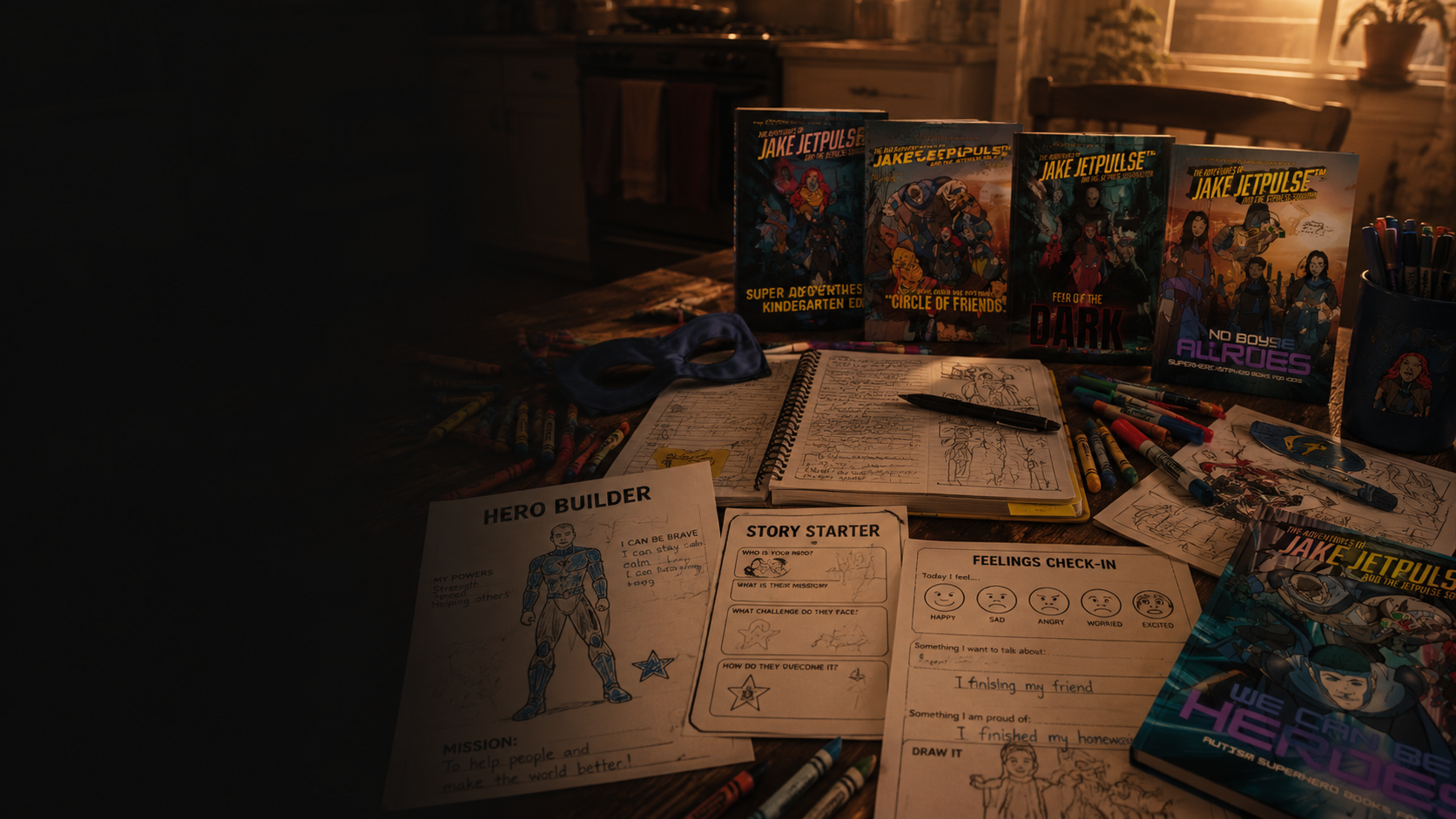
A Shared Visual Language: Gives parents and educators an objective, stress-free map to look at together with the child at the kitchen table.
Actionable Identity Building: Re-frames everyday emotional struggles into relatable superhero conflicts that can be conquered step-by-step.
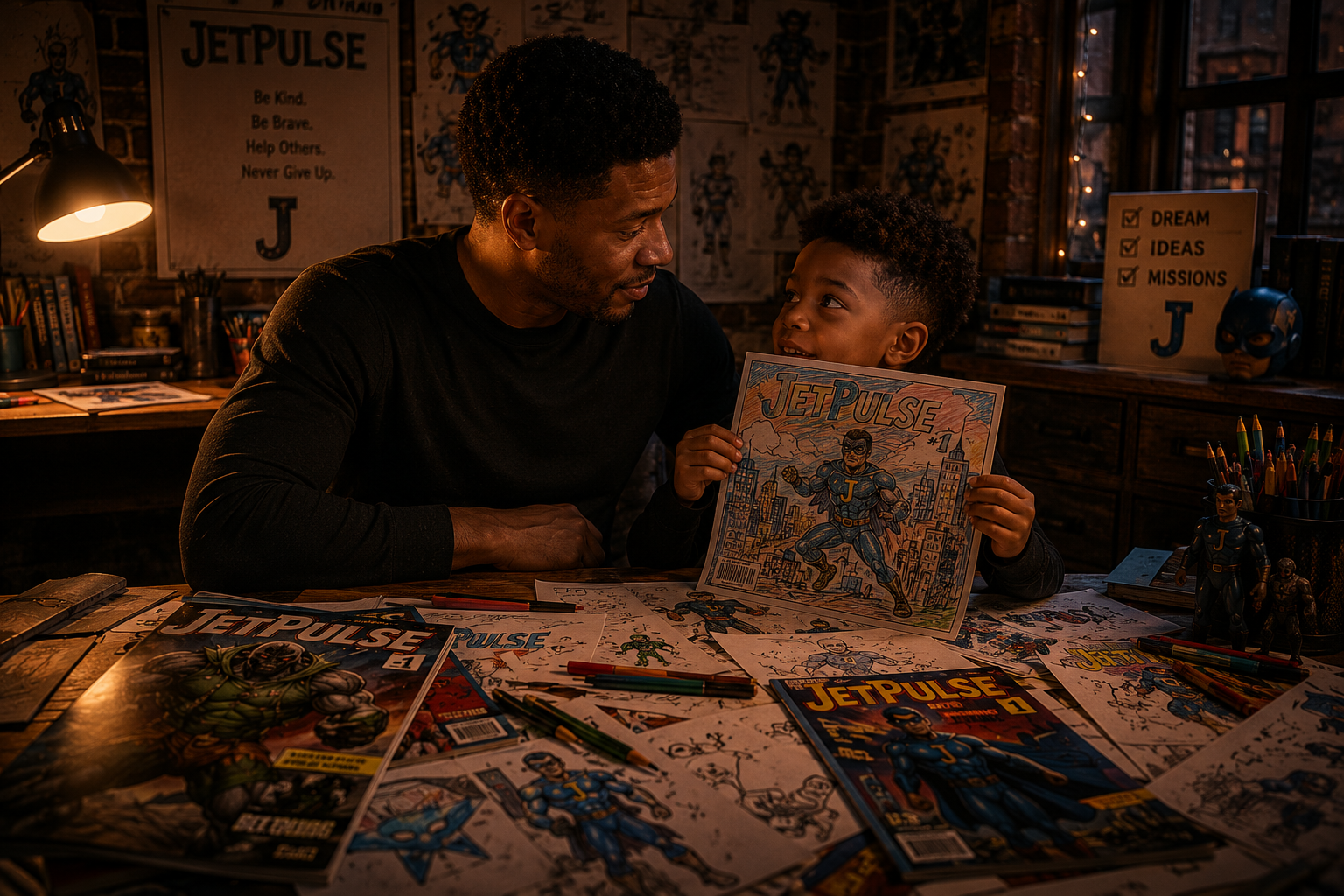
Bring This Technique to Your Table Tonight
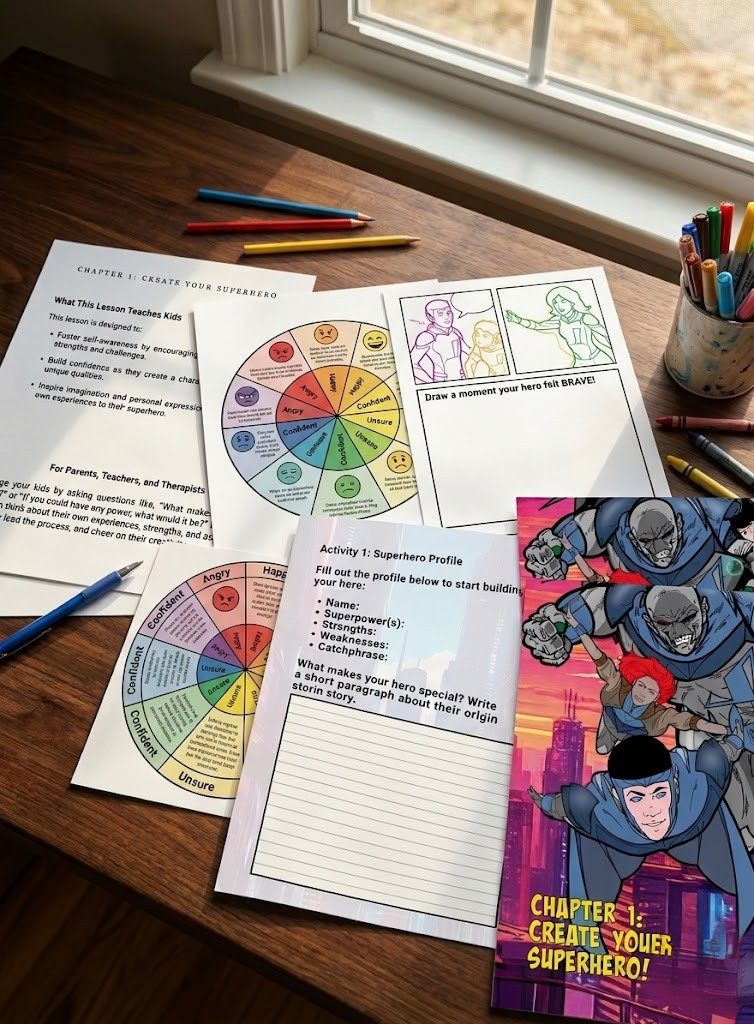
You don't have to sketch these templates or design layouts from scratch. Download the official Hero Builder Power Pack, featuring the exact printable Superhero Creation Worksheets, Comic Panels, and Color Compasses we used to build confidence and calm at home.
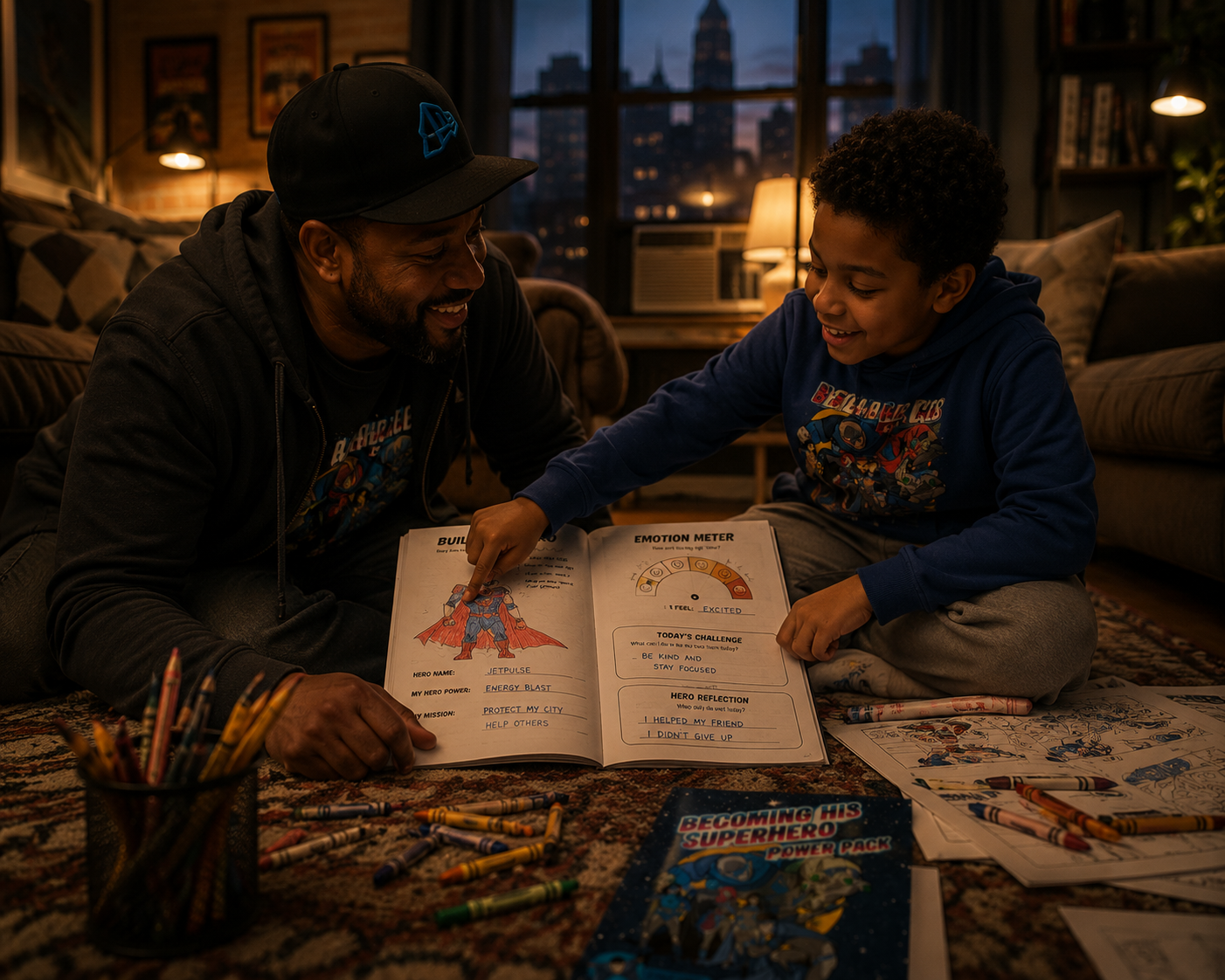
Creativity Became the Bridge
This didn’t begin inside a corporate office or clinical testing lab.
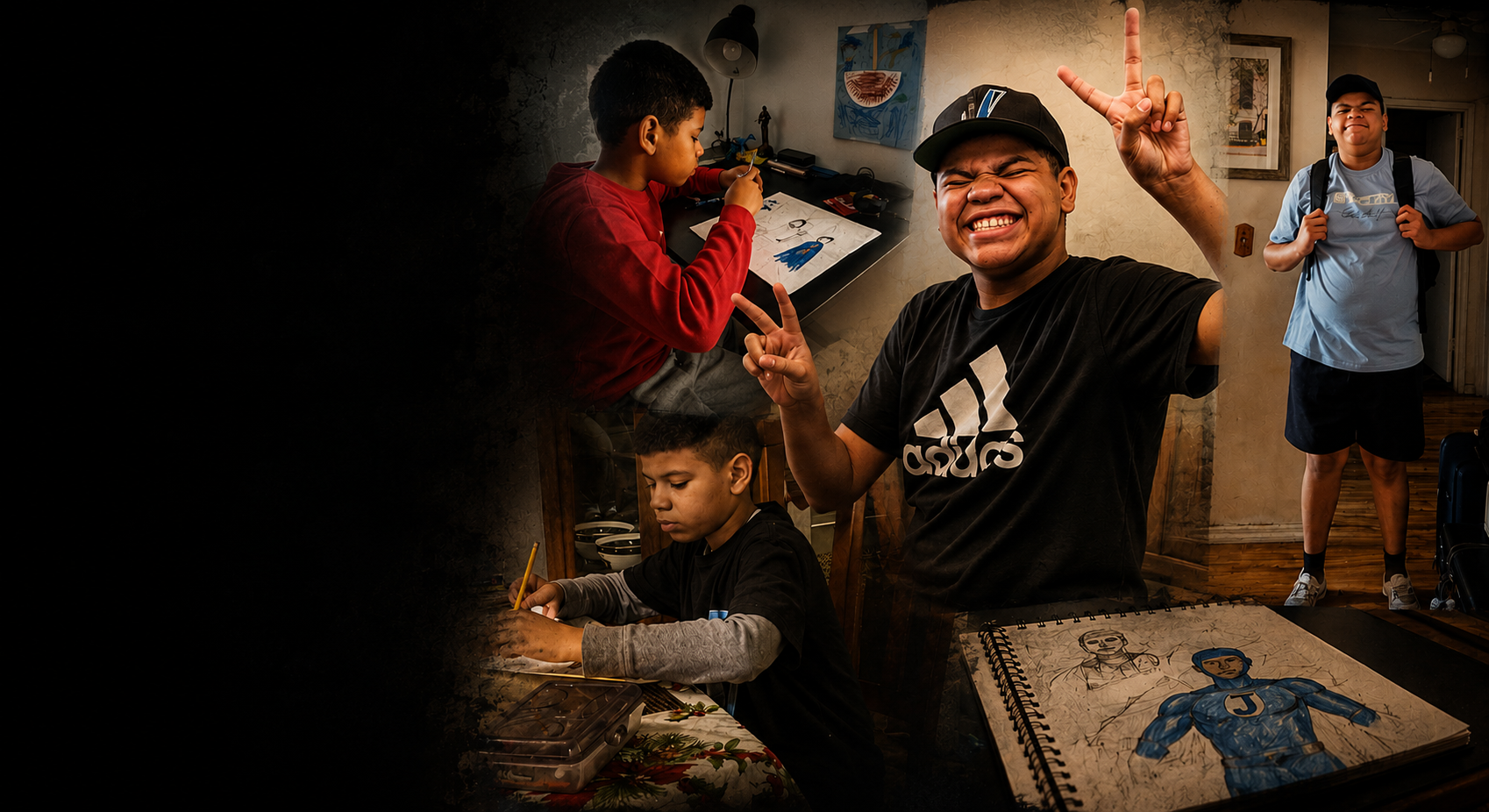
It started at a kitchen table.
Like many parents raising neurodivergent children, we discovered that traditional emotional communication tools didn’t always work for Jake. Conversations could feel overwhelming. Big emotions sometimes became shutdowns, frustration, or silence.
But creativity changed everything.
When emotions became drawings…
when fears became villains…
when confidence became a superhero identity…
communication started opening naturally.
That lived experience became the foundation for Jetpulse: an art-therapy-informed storytelling approach designed to help neurodivergent children externalize their anxiety, map their emotions, and discover their inner strength.
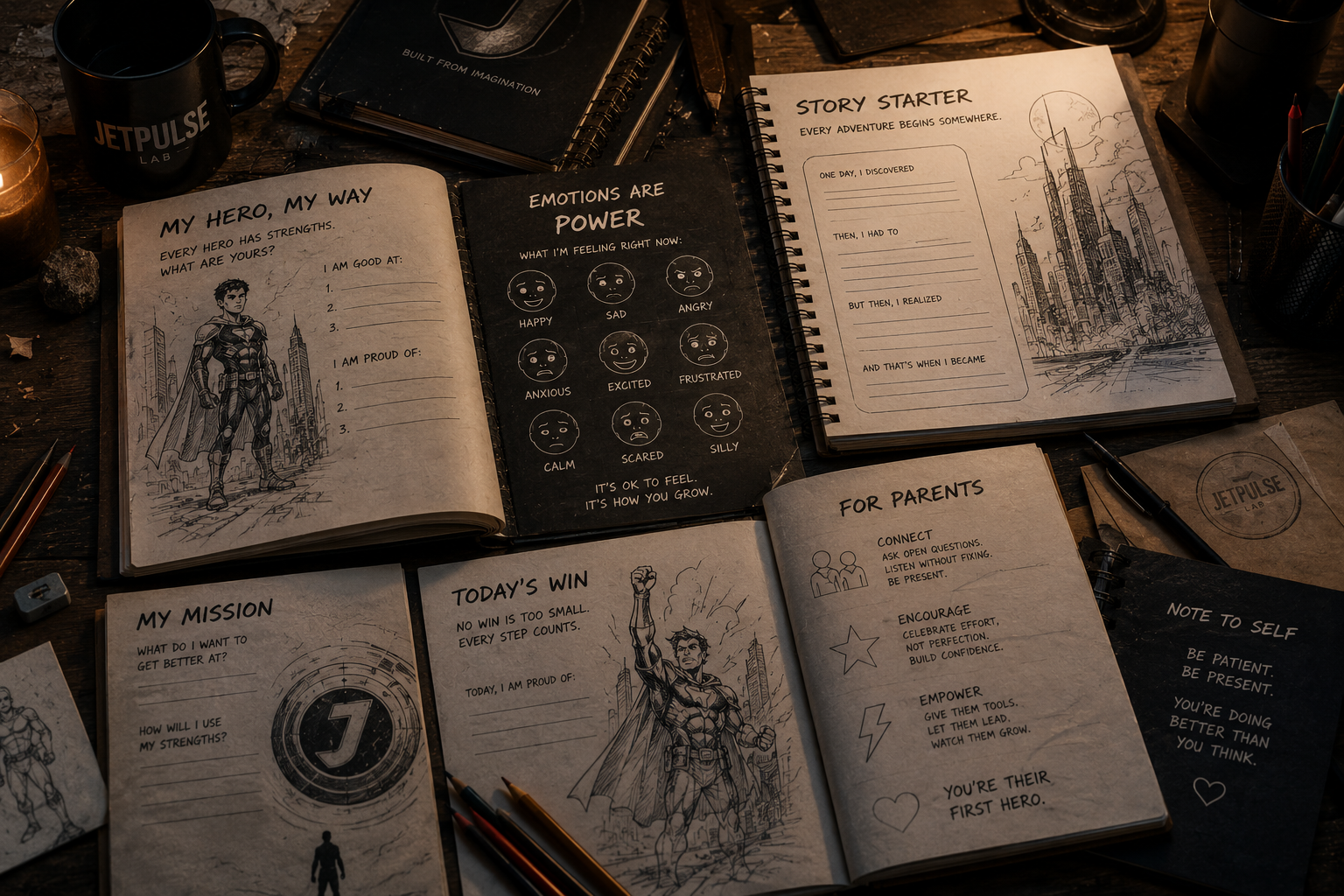
5 Creative Emotional Learning Techniques for Neurodivergent Kids
1. Superhero Identity Building
Children create heroes inspired by their own strengths, fears, emotions, and experiences.This helps transform confidence-building into imaginative play instead of emotional pressure.
2. Emotion Mapping Through Color
Colors, symbols, and visual storytelling help children externalize emotions in ways that feel safer and easier to understand.
3. Narrative Drawing
Drawing difficult moments as “missions” or “story scenes” can help children process frustration, fear, anxiety, and uncertainty more constructively.
4. Confidence Missions
Small creative challenges encourage resilience, bravery, communication, and emotional reflection through storytelling.
5. World Building & Safe Spaces
Designing imaginary cities, planets, teams, and safe environments allows children to explore emotional safety, control, and belonging through creativity.
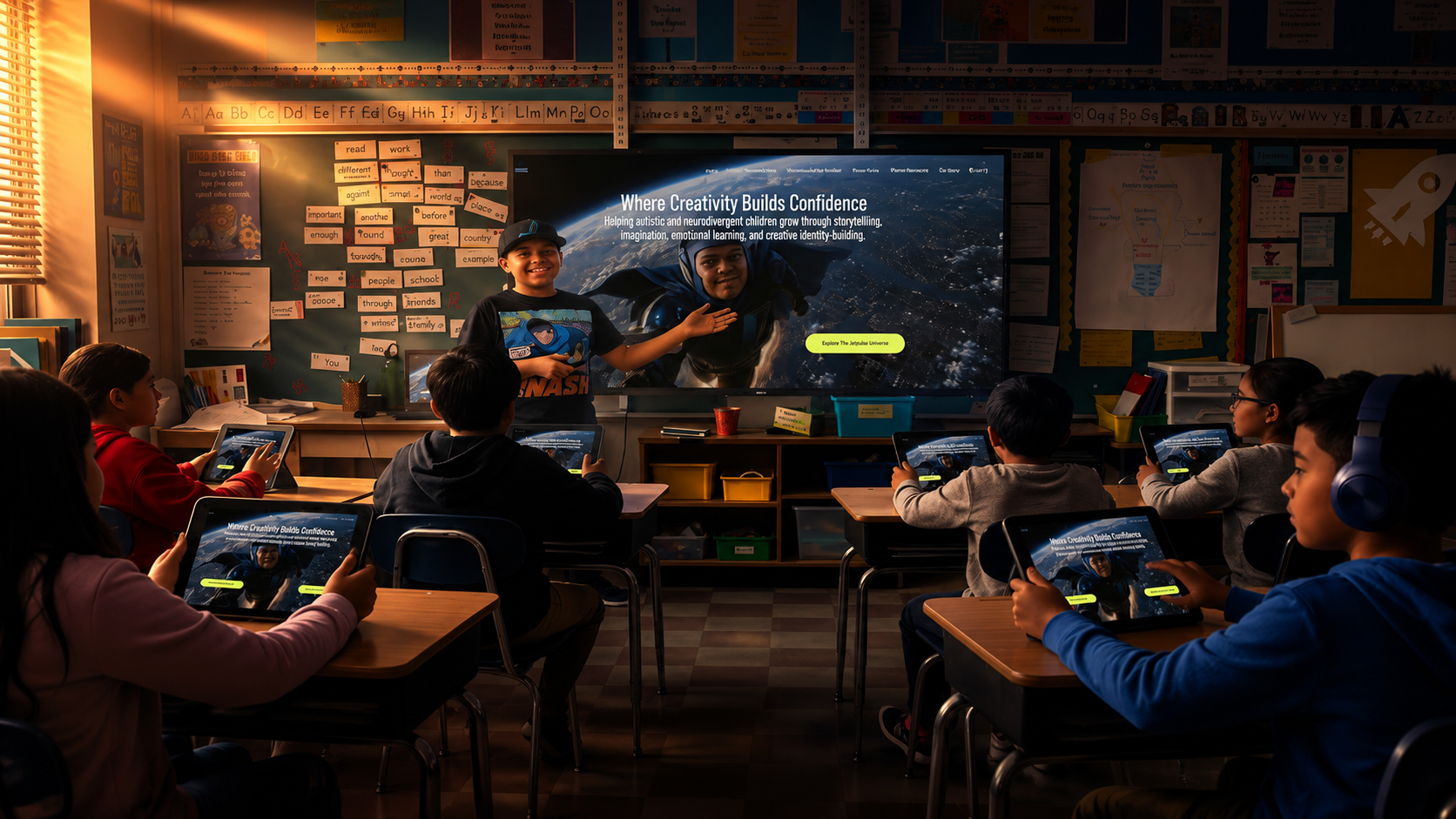
SEE THE WORKSHEETS IN ACTION
✅ Instant download
✅ Printable from home
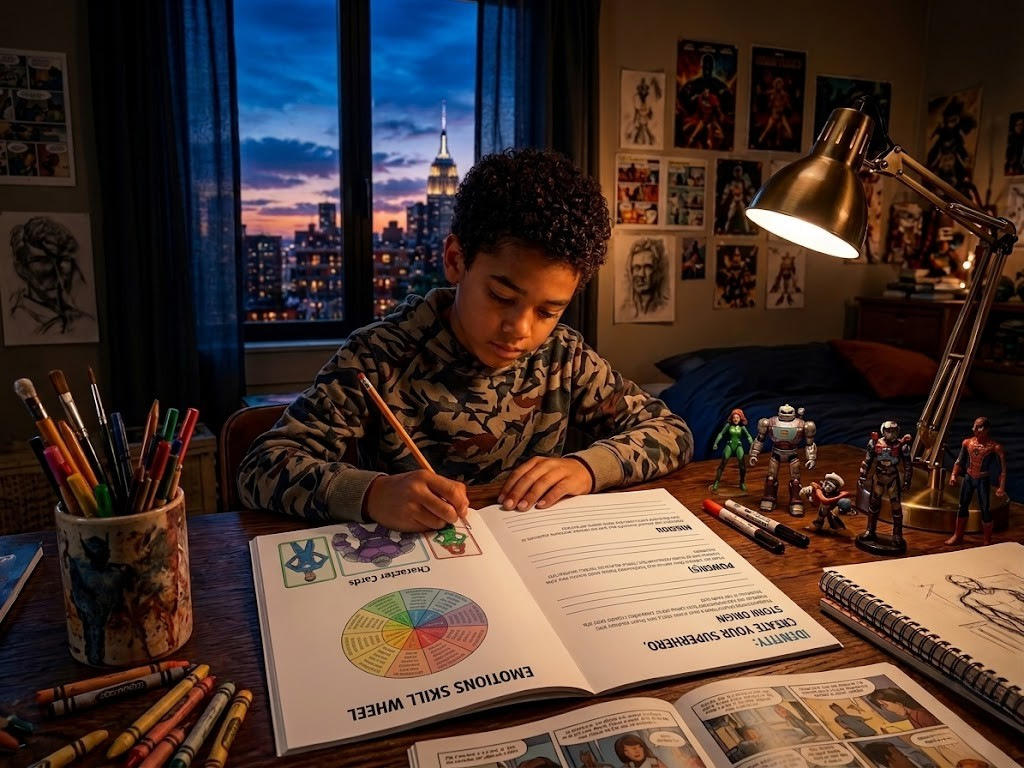
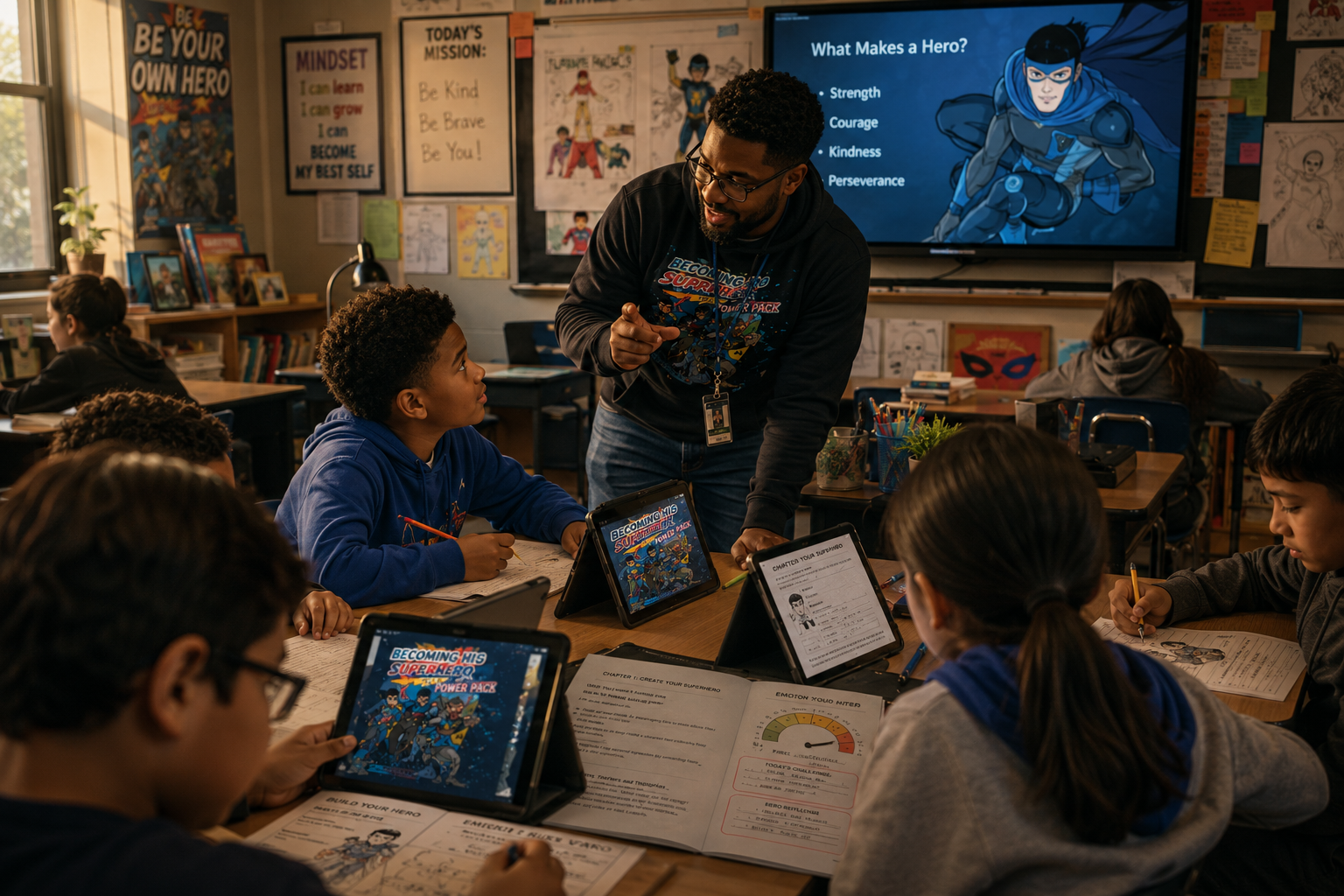
✅ Built for connection, not perfection
✅ Use at your own pace
These aren’t generic worksheets generated by a corporation.
Every page inside the Hero Builder system was created from real-world experiences helping a neurodivergent child communicate, imagine, and build confidence through creativity.
The worksheets combine:
superhero storytelling
emotional learning
drawing prompts
confidence missions
imaginative world-building
emotional reflection exercises
Designed to feel creative first — not clinical.
Bring the Hero Journey Home
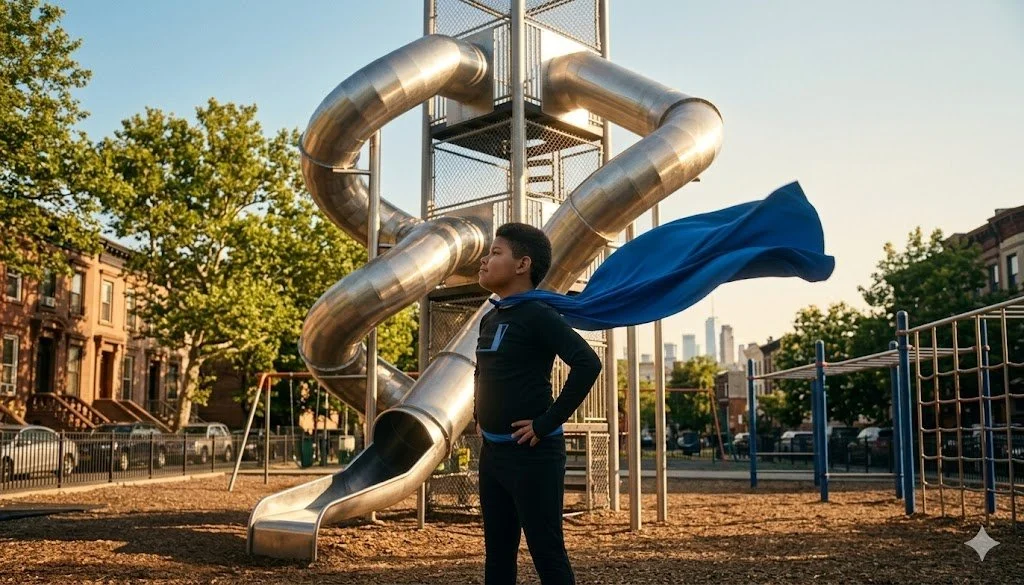
Give your child a safe, creative outlet to process anxiety, communicate feelings, and discover their inner strength. Download the printable assets instantly:
The Single Worksheet Set ($7.99) — Quick, focused creative panels.
The Parent Journal ($9.99) — Deep emotional mapping guides.
The Full Hero Builder Power Pack ($13.99) — The ultimate asset bundle containing everything.
FAQs
What are creative emotional learning activities?
Creative emotional learning activities help children explore emotions through storytelling, drawing, imagination, and visual expression instead of relying only on verbal communication.
Can autistic children benefit from superhero storytelling activities?
Yes. Many neurodivergent children connect deeply with imaginative identity-building because it allows them to safely explore emotions, confidence, and communication through creativity.
Are the Hero Builder worksheets printable?
Yes. The worksheets are instant-download printable PDFs designed for home, classroom, or therapeutic support settings.
Is this meant to replace therapy?
No. Jetpulse is a creative emotional learning system inspired by storytelling, imagination, and emotional expression. It is designed to support connection and confidence-building in a creative, low-pressure way.
Start Building Confidence One Story at a Time
The goal isn’t perfection.
It’s helping children feel understood, creative, capable, and proud of who they are.
Through storytelling, imagination, and emotional learning, small creative moments can become powerful breakthroughs.