


Creative Resources for Parents of Neurodivergent Children
Creative resources for parents of neurodivergent children include art therapy–informed activities, storytelling exercises, visual learning tools, creative writing prompts, and structured imaginative play. These resources help children express emotions, build confidence, develop communication skills, and navigate social challenges in ways that feel safe, engaging, and supportive.
For many families, creativity becomes one of the most effective bridges between emotional support and everyday learning.
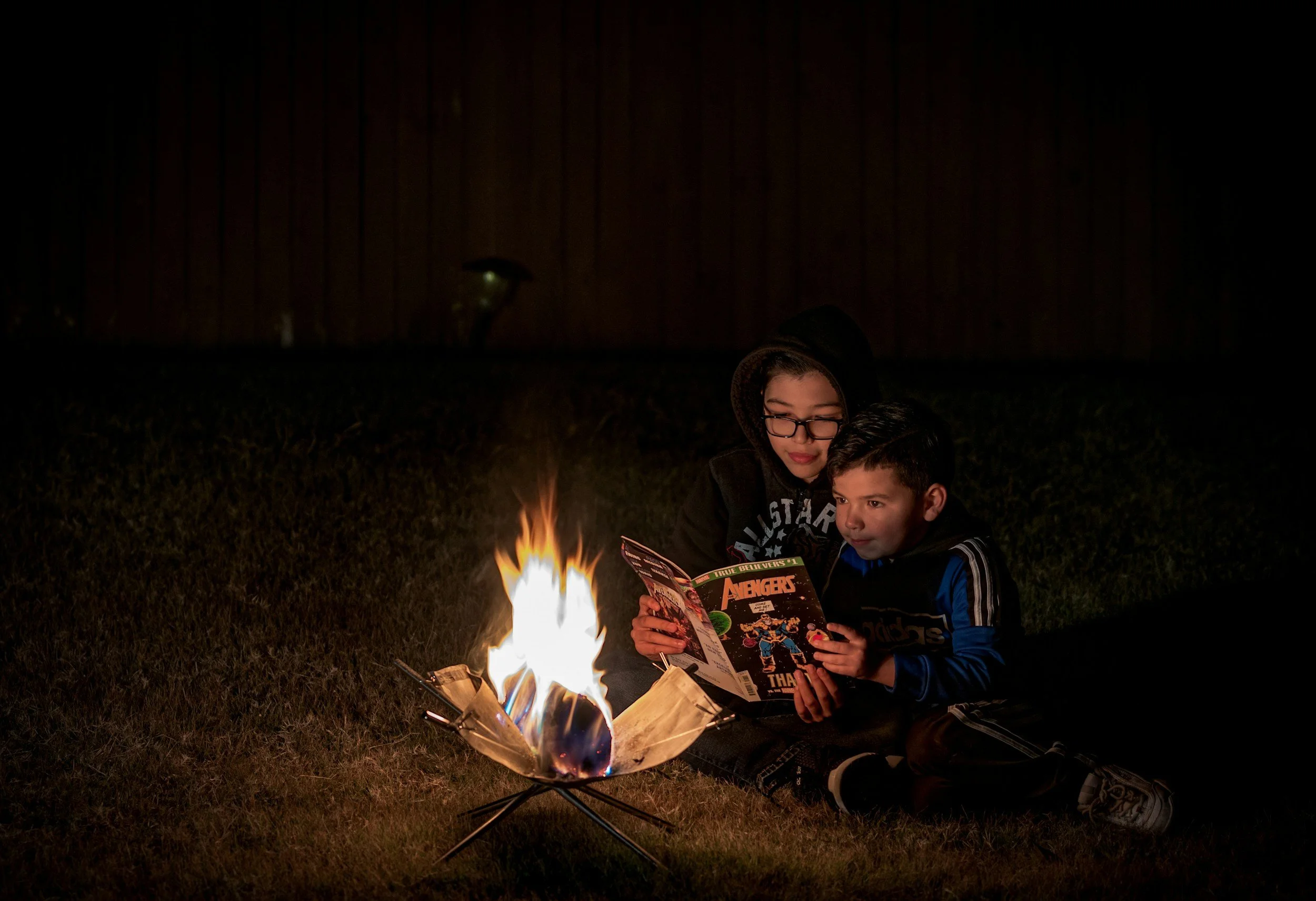
Why Creative Resources Matter for Neurodivergent Children
Neurodivergent children often experience the world differently. Many struggle with traditional approaches that rely heavily on verbal instruction, rigid expectations, or constant social performance.
Creative resources offer an alternative.
They allow children to:
Express emotions without pressure or judgment
Communicate visually or symbolically when words are difficult
Explore social situations through stories instead of rules
Build confidence through self-directed creativity
For parents, these tools provide practical ways to support emotional growth at home—without needing clinical training or formal therapy settings.

Types of Creative Resources That Support Neurodivergent Children
Art Therapy–Informed Activities
Art-based activities help children express emotions they may not yet have words for.
Common examples include:
Emotional drawing using colors and symbols
“Inside vs. outside” emotion artwork
Drawing feelings as characters or environments
Open-ended creative sessions with gentle prompts
These activities support emotional regulation, self-awareness, and trust.

Storytelling and Narrative Play
Storytelling allows children to explore emotions, relationships, and challenges through characters and fictional worlds.
Benefits include:
Practicing social situations safely
Developing empathy and perspective-taking
Exploring problem-solving without real-world consequences
Building communication skills naturally
Visual storytelling—such as comics and illustrated stories—is especially effective for children who are visual or imaginative learners.
How Storytelling Helps Autistic Children Build Social Skills

Creative Writing Prompts and Visual Journaling
Creative writing does not need to look like traditional writing.
For neurodivergent children, it can include:
One-sentence story starters
Drawing-first, writing-second prompts
Visual journals with optional captions
Comic-strip storytelling
These tools help children organize thoughts, reflect on emotions, and gain confidence in self-expression—without pressure to perform.

Character Creation and Identity-Based Play
Creating characters—often superheroes, avatars, or alter egos—allows children to explore identity in a safe, indirect way.
Character-based play supports:
Confidence-building through empowered roles
Emotional distancing (“the character feels this”)
Exploration of strengths and challenges
Motivation through imagination
This approach is especially helpful for children who feel anxious, overwhelmed, or misunderstood.
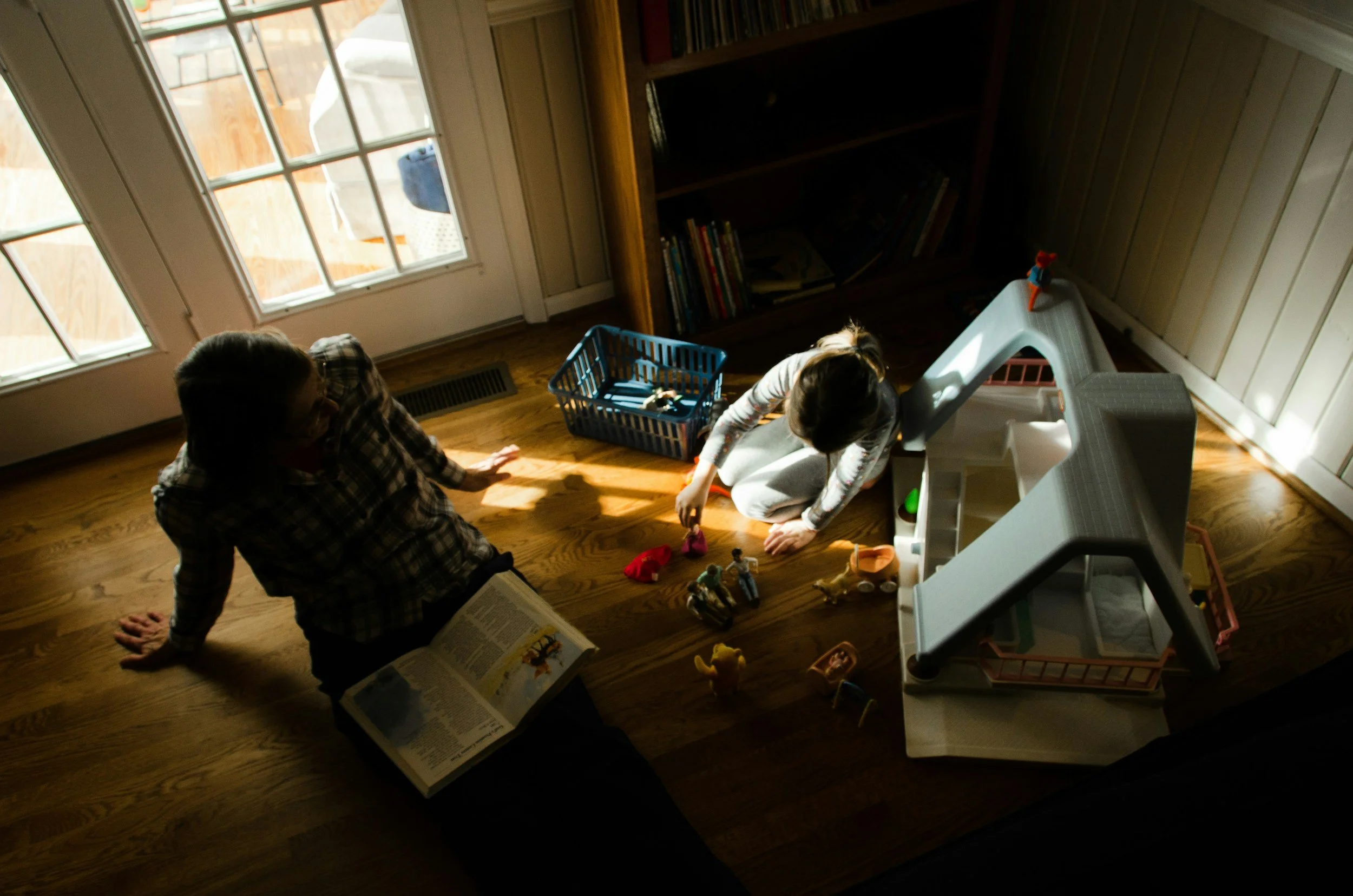
Structured Imaginative Play
Structured imaginative play blends creativity with gentle boundaries.
Examples include:
Story prompts with a beginning and open ending
Visual storyboards for daily routines
Role-play scenarios using drawings or figures
Collaborative storytelling with a parent or educator
Structure provides emotional safety, while imagination allows freedom and expression.
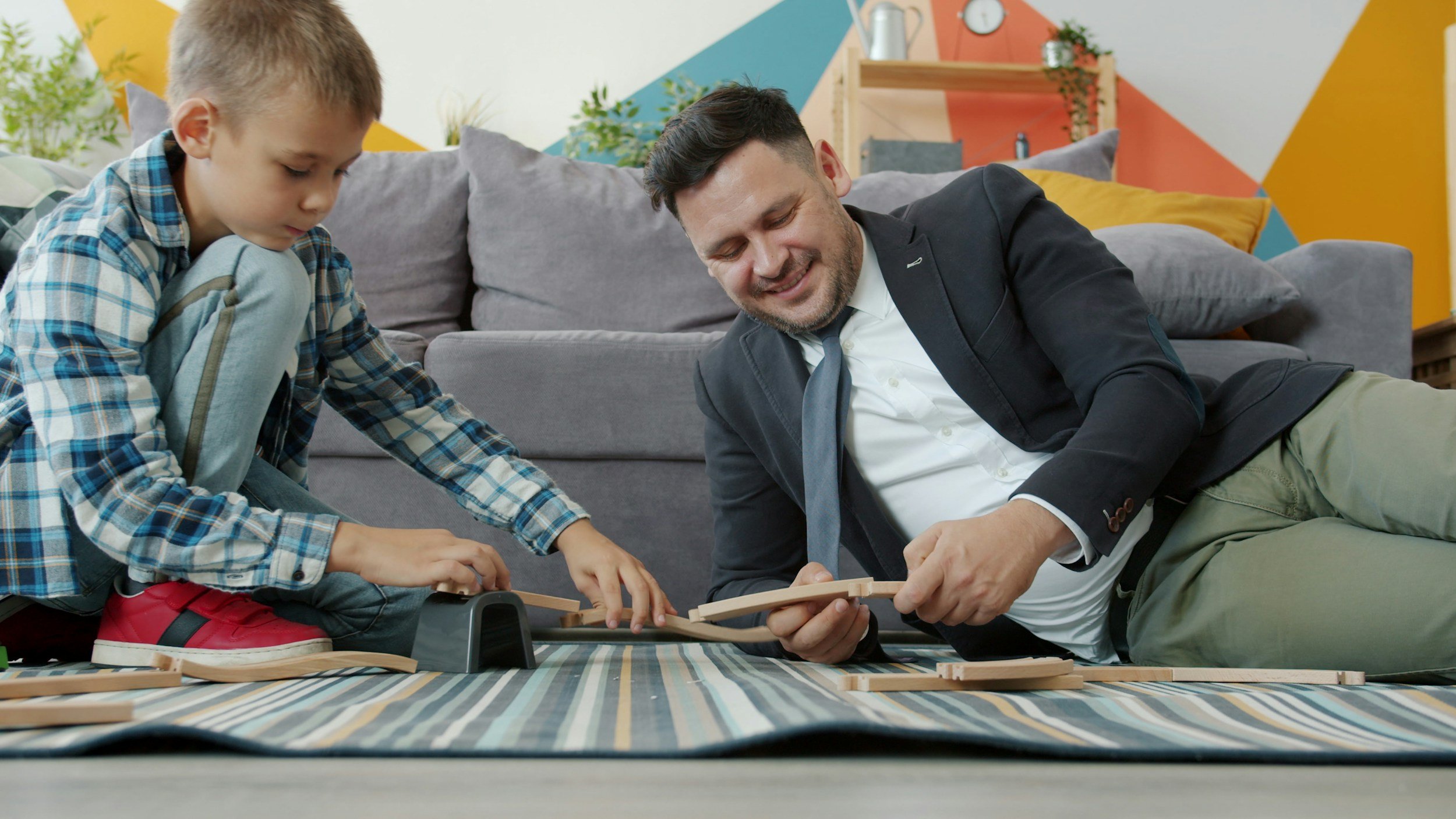
A Parent’s Perspective: Finding What Actually Worked
As a parent of a neurodivergent child, I didn’t start out searching for a “system” or a “method.”
I was looking for connection.
What I found—through drawing, storytelling, and shared creative moments—was that creativity opened doors that direct instruction never could. My child was more relaxed. More expressive. More confident.
Those everyday experiences became the foundation of Jetpulse: a creative, storytelling-based approach built from lived parenting experience, not theory alone.

How Parents Can Use Creative Resources at Home
Parents do not need to be artists, writers, or therapists to use creative tools effectively.
The most helpful resources:
Meet children at their comfort level
Allow choice and flexibility
Focus on expression, not outcomes
Strengthen connection rather than compliance
Even short creative sessions—10 to 15 minutes a few times a week—can have a meaningful impact when used consistently and without pressure.
Who These Creative Resources Are For
Creative resources are especially helpful for:
Autistic and neurodivergent children ages 6–12
Visual and imaginative learners
Children with anxiety or emotional regulation challenges
Families seeking non-verbal or low-pressure tools
Parents who want practical support at home
Educators and therapists also use these tools as complementary supports in learning environments.

Final Thoughts
There is no single resource that works for every child.
But creativity gives families options.
Art, storytelling, and imaginative play allow neurodivergent children to feel seen, heard, and understood—on their own terms. When parents are given accessible creative tools, they are better equipped to support confidence, communication, and emotional growth in everyday life.
That belief is at the heart of Jetpulse: creativity as connection, not correction.
FAQs
What types of creative resources help neurodivergent children most?
1
Art therapy activities, storytelling exercises, visual journaling, and character-based play are especially effective because they support expression, confidence, and communication.
Do parents need special training to use creative tools?
2
No. The most effective creative tools are simple, flexible, and relationship-centered. Parents do not need artistic or therapeutic training to use them successfully.
How often should creative activities be used at home?
3
Short, consistent sessions—10 to 15 minutes a few times a week—are often more effective than long or infrequent sessions.