I Stopped Trying to Fix My Child — and Everything Changed
For a long time, I thought my job as a parent was to fix things.
Fix the meltdowns.
Fix the silence.
Fix the behaviors that made other people uncomfortable.
When my son Jake was diagnosed with autism, I didn’t realize how much pressure I quietly placed on both of us. I was determined to help him succeed — but underneath that determination was fear. Fear that if I didn’t do enough, or do the right things fast enough, I might fail him.
I didn’t see it at the time, but I was parenting from panic.
Everything changed the moment I stopped trying to fix my child — and started trying to understand him.
The Pressure to Fix Comes From Love (But It Still Hurts)
After an autism diagnosis, parents are flooded with advice.
What therapies to start.
What behaviors to correct.
What milestones to track.
I absorbed all of it, because that’s what you do when you love your child and you’re scared of getting it wrong. I wanted Jake to be okay in a world that didn’t always feel kind or patient.
But somewhere along the way, the focus shifted.
Less who is my child?
More how do I make this easier for everyone else?
Jake could feel it — even when I didn’t say a word.
The Moment I Realized Fixing Wasn’t Helping

There was no dramatic breakthrough moment. No big realization wrapped in a bow.
It happened quietly.
I noticed that the more I tried to correct Jake, the more he pulled inward. The more I pushed him to respond a certain way, the more frustrated we both became. What I thought was support started to feel like pressure — and pressure doesn’t build confidence.
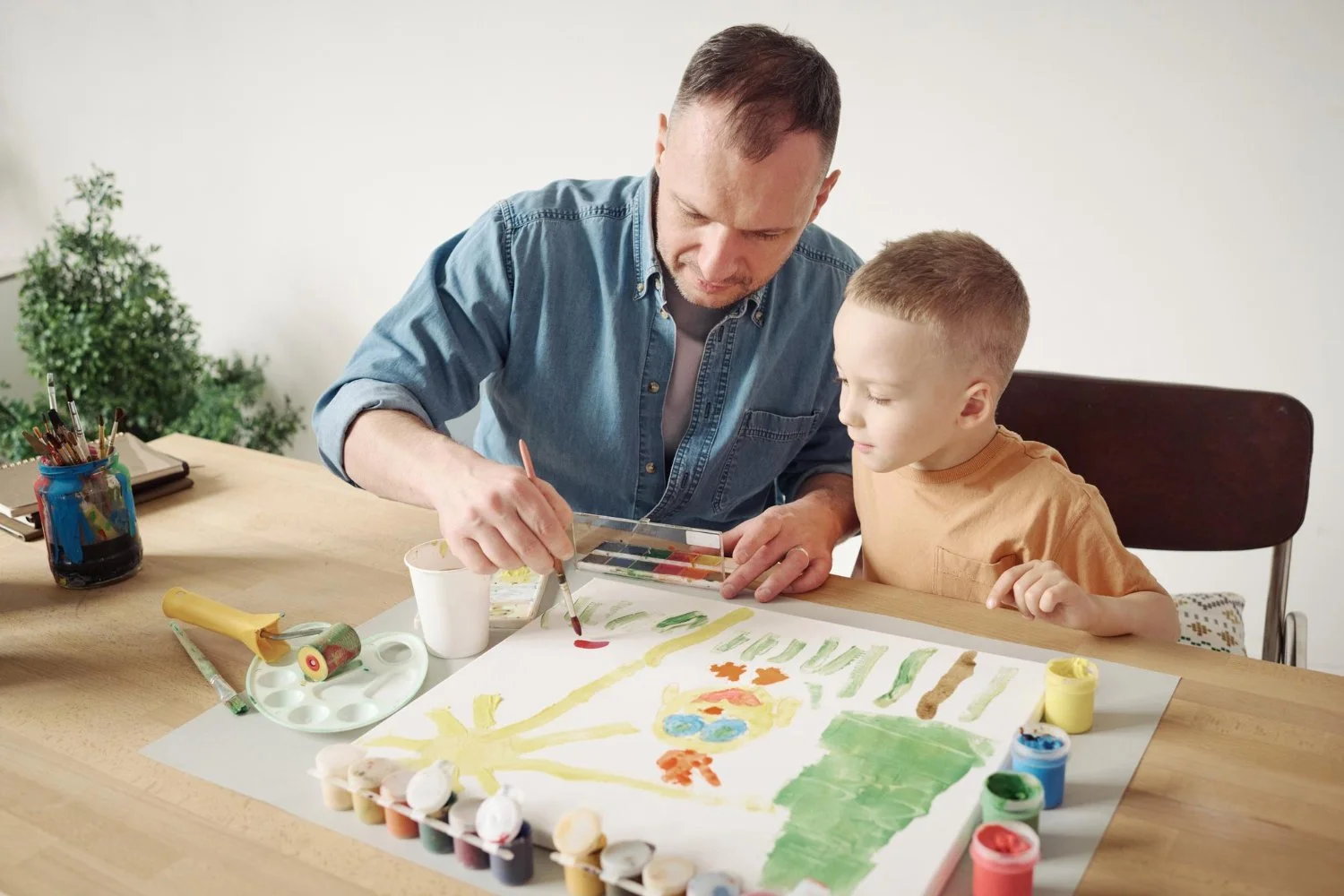
One night, instead of redirecting him, I sat down and joined him.
We drew.
We told stories.
We created characters together.
There were no goals. No lessons. No expectations.
Just connection. That was the first time I saw how much Jake already had — when I wasn’t trying to change him.
What Changed When I Let Go of “Fixing”
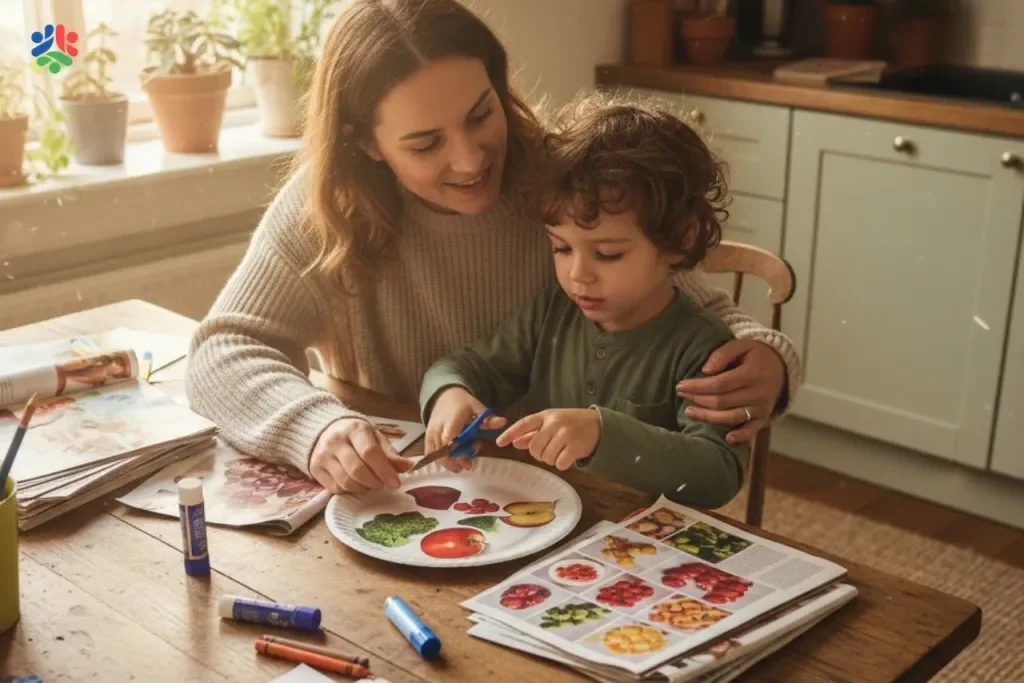
When I stopped trying to fix my child, a few important things happened.
Jake became more expressive — in his own way.
Our home felt calmer.
I stopped measuring progress by outside standards and started noticing small wins.
Confidence didn’t appear overnight. It grew slowly, through shared moments that felt safe instead of corrective.
I realized something I wish I’d known sooner:
Kids don’t grow confidence by being fixed.
They grow it by being understood.
Creativity Became Our Bridge
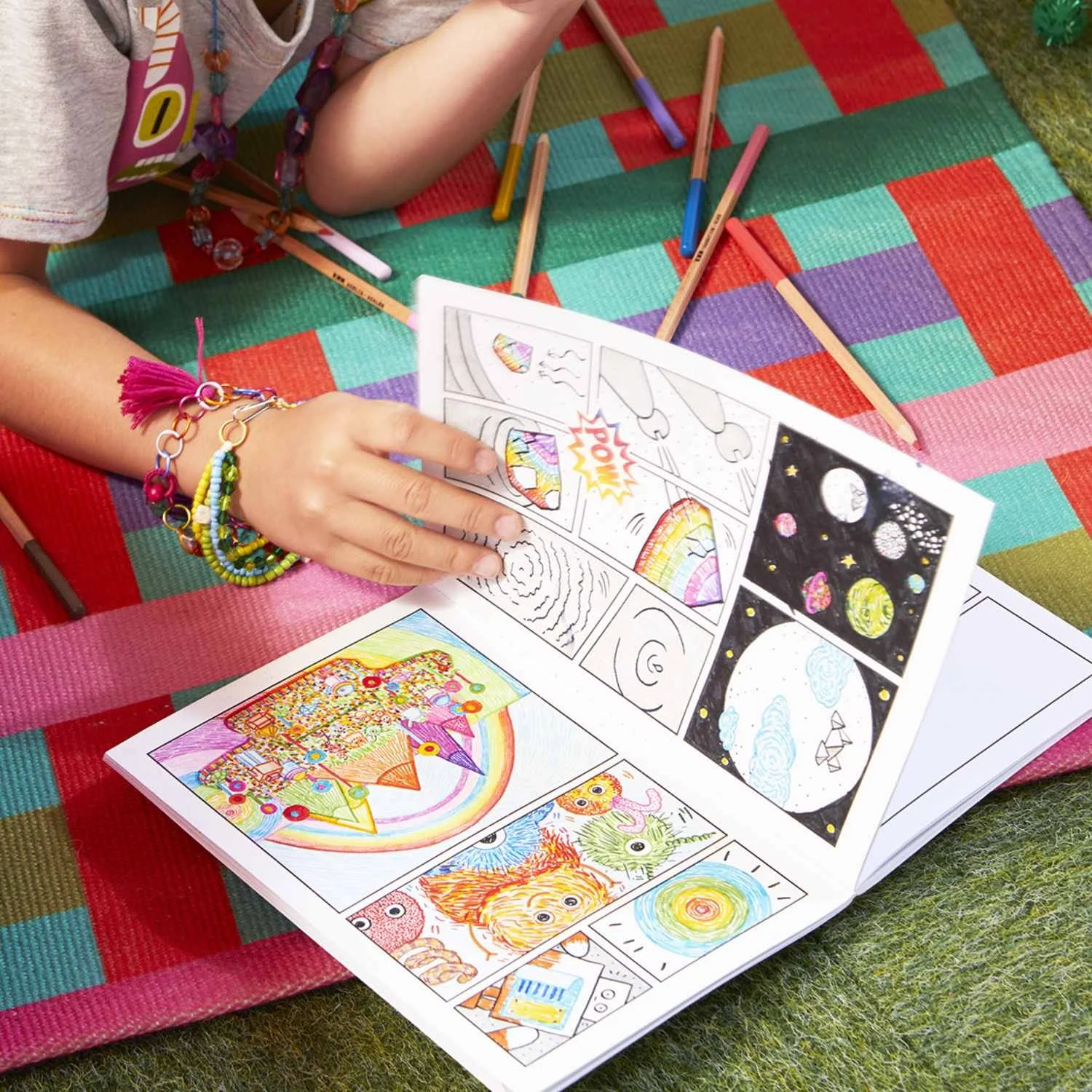
Jake didn’t always communicate with words — but he communicated through images, stories, and imagination.
So we leaned into that.
Comic books became reading lessons.
Characters became emotional vocabulary.
Storytelling became a way to explore feelings without pressure.
Imaginative play wasn’t a distraction. It was a doorway.
Through creativity, Jake could show me who he was — not who he was expected to be.
And through those shared moments, I stopped feeling like I was failing as a parent. I felt connected again.
What I Want Other Parents to Know
If you’re raising an autistic or neurodivergent child, I want you to hear this clearly:
You don’t need to fix your child to help them thrive.
You don’t need to erase differences to build confidence.
You don’t need to follow someone else’s timeline.
What your child needs most is emotional safety, patience, and a parent willing to meet them where they are.
Progress doesn’t always look like change.
Sometimes it looks like trust.
From One Family to a Bigger Purpose
What started between me and Jake eventually became something bigger — not because I planned it that way, but because other parents began asking the same questions I once had.
How do I help my child express themselves?
How do I support confidence without overwhelm?
How do I parent without constantly feeling like I’m doing it wrong?
That’s the heart behind everything we build at Jetpulse — tools inspired by creativity, storytelling, and lived experience, not pressure or perfection.
A Gentle Invitation
If any part of this feels familiar, you’re not alone.
If you’re looking for a calm place to start — something that supports connection instead of correction — we’ve created a free art therapy–inspired lesson designed to help parents and children explore creativity together.
No fixing.
No expectations.
Just shared moments that build trust over time.
👉 Start with the Free Art Therapy Lesson
Sometimes the biggest shift isn’t changing your child —
it’s changing how you see them.
• Join The All For $ne Kindness Experiment