How to Help Your Autistic Child Make Friends — The Superhero Way
Introduction: When Friendship Hurts
My son is a superhero. But even superheroes can feel alone. The first time he told me he didn’t have anyone to play with at recess, I felt my heart crack in two. I wanted to fix it instantly — swoop in, lift the problem like a car, solve it with raw dad strength. But friendship doesn’t work like that.
For many neurodivergent kids — especially kids on the autism spectrum — making friends isn’t automatic. It’s a skill. A social puzzle. A world of invisible rules and unpredictable reactions.
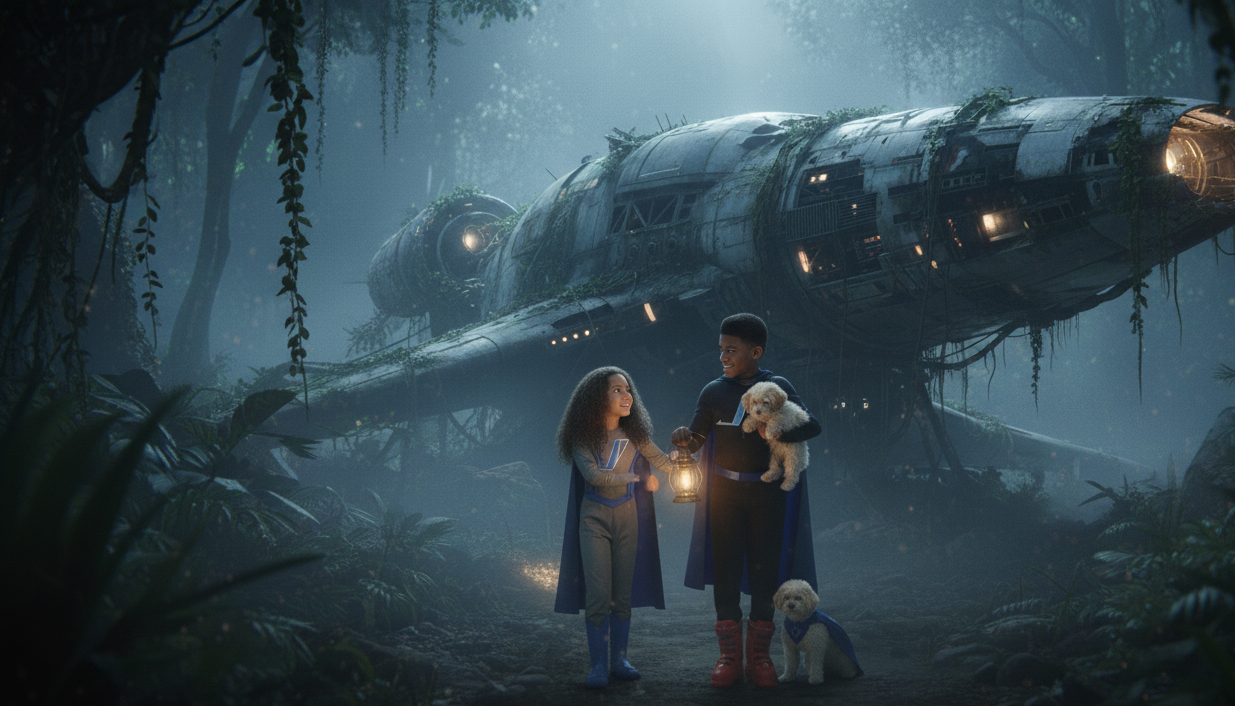
What I discovered is this:
Autistic children aren’t avoiding friendships. They’re avoiding the confusion and overwhelm that comes with them.
Once I shifted from worrying to empowering, everything changed.
This is the blueprint — the Superhero Way — that helped my son start making real connections. And it can help your child too.
Why Autistic Kids May Struggle With Friends
Here’s what I learned over time — from teachers, therapists, and my son himself:
Children with autism may:
Find unstructured groups too chaotic
Miss the social cues (body language, tone, timing)
Feel anxious initiating play
Not know how to enter a group
Prefer predictable solo play
NONE of this means they don’t want friends.
They just need:
structure
support
practice
and a safe space to explore connection
Friendship is a skill — and skills can be learned.
The Superhero Way
6 Play-Based Steps to Help Autistic Kids Build Friendships
Through play — especially pretend play — kids rehearse real-world social skills in ways that feel safe and fun.
Here’s what worked for us:
Start With Their Interest — Find Their Crew
If your child loves:
dinosaurs 🦖
drawing 🎨
Roblox 🎮
superheroes 💥
That’s where friendship begins.
A shared passion can lead to instant connection.
Look for clubs, small groups, community events, or one other child who loves the same thing.
2. Turn Social Skills Into “Hero Training”
We practiced:
Saying hello
Asking someone to play
Taking turns
Listening and responding
But instead of “practice,” we called them:
Superhero Missions
Kids learn best when they’re excited.
3. Use Visuals to Make Social Rules Clear
(visual supports + social stories)
We drew simple comic-style “Friendship Maps”:
How to join a game
What to say when someone talks
How to be a good teammate
Seeing → understanding → remembering
4. Keep Playdates Small & Familiar
(one friend + familiar space + short time)
Lower sensory load = higher chance of success.
Win small. Celebrate often.
5. Praise Attempts — Not Just Outcomes
(effort = confidence)
A whisper of “hi” deserves applause.
Holding a toy out = hero moment.
Every attempt builds social muscles.
6. Model Friendship Everywhere
Kindness starts with you. Remember, Kids learn by watching. Always:
Be friendly in public
Greet neighbors
Compliment people
Help others
Your child is learning from the way YOU connect too.
When It’s HARD (Because Sometimes It Will Be)
Some days, progress is invisible. And Some moments will feel like setbacks.
That’s okay.
Friendship is built one tiny brave step at a time.
Your child is not behind.
It takes time. Your child is becoming.
And you are guiding them through a world that wasn’t designed for how beautifully they think.
That’s love. This is your superpower. Be the Hero.
Join the Jetpulse Community
Parenting a neurodivergent child is a journey — and you don’t have to walk it alone.
If this helped you, I’d love to stay connected: