A father's journey using creativity, storytelling, and hero-building to help his son discover his strengths.
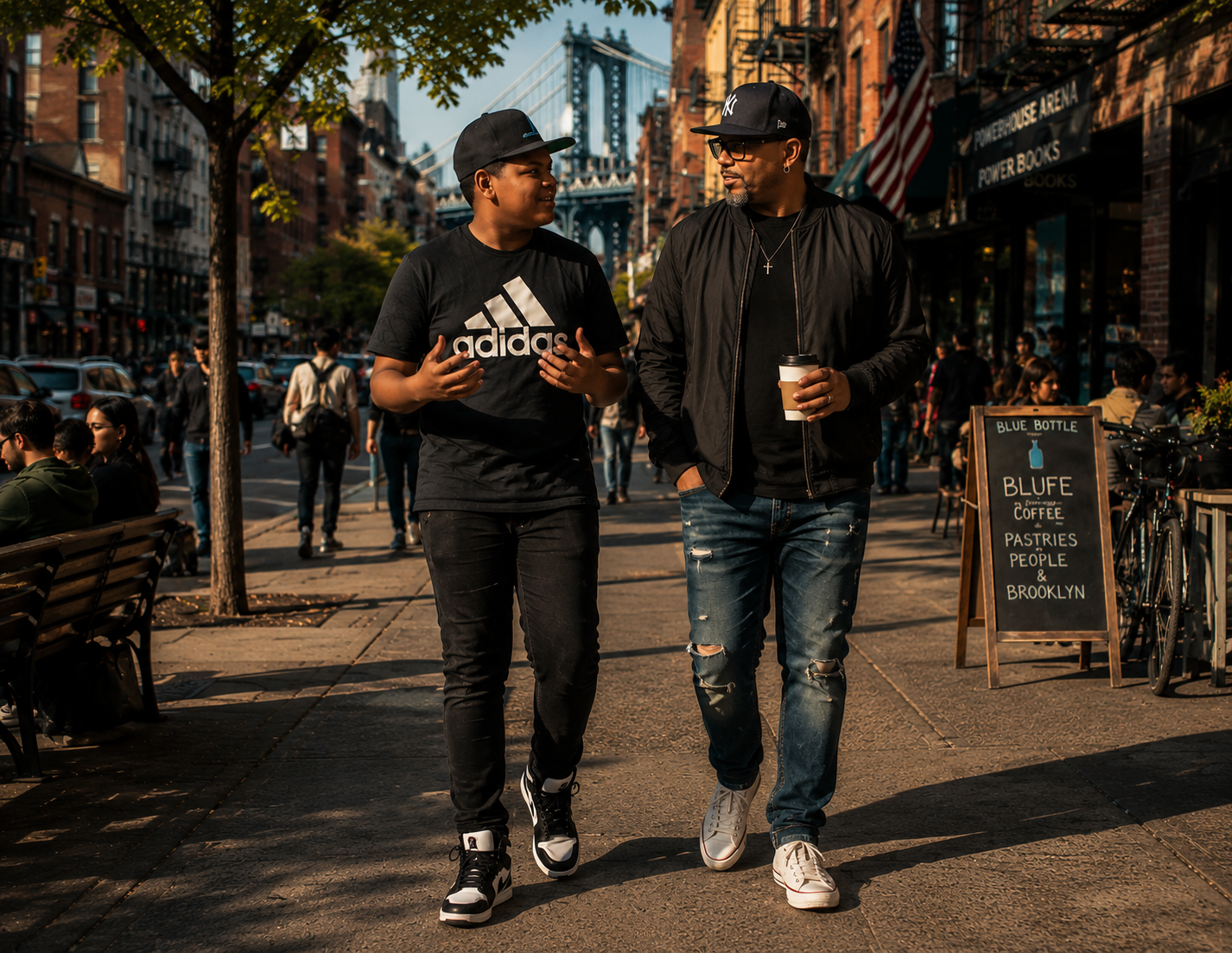
One of the biggest fears I had after my son Jake was diagnosed with autism wasn't whether he would learn to read.
It wasn't whether he would succeed in school.
It wasn't whether he would eventually find his place in the world.
My biggest fear was much simpler.
Would he believe in himself?
As parents, we spend so much time helping our children learn skills that we sometimes forget how important confidence really is.
Confidence influences everything.
It affects how children approach challenges.
It affects how they communicate.
It affects friendships, learning, independence, and resilience.
When confidence is strong, children are willing to try.
When confidence is weak, even small obstacles can feel impossible.
Looking back now, one of the most powerful confidence-building tools in Jake's life wasn't found in a classroom or therapy office.
It came from superheroes.
What started as a childhood fascination eventually became a bridge to communication, creativity, self-expression, and confidence.
More importantly, it changed the way I viewed my son's strengths.
Why Confidence Matters for Every Child
Confidence isn't about believing you're perfect.
It's about believing you can grow.
Confident children still make mistakes.
They still face challenges.
They still experience setbacks.
The difference is that confidence helps them keep moving forward.
Many autistic children face obstacles that can make confidence difficult to build.
They may struggle with communication.
They may feel different from their peers.
They may experience social challenges.
They may receive constant reminders of what they cannot do.
As parents, teachers, and caregivers, we often focus on helping children improve weaknesses.
But confidence grows when children discover strengths.
That realization changed everything for me.
The Day I Stopped Looking for Deficits
When Jake was younger, much of our attention focused on challenges.
Like many families navigating an autism diagnosis, we spent countless hours discussing goals, therapies, evaluations, and developmental milestones.
The conversations often centered around what needed improvement.
Communication.
Social interaction.
Behavior.
Daily living skills.
All of these things mattered.
But somewhere along the way, I realized I wasn't spending enough time focusing on what Jake already did well.
And what he did well was extraordinary.
He had imagination.
He had creativity.
He had determination.
He could spend hours developing stories, drawing characters, and building entire worlds in his mind.
The more I focused on those strengths, the more I saw confidence begin to emerge.
Why Superheroes Resonated With Jake
Many autistic children develop deep interests in specific subjects.
For Jake, superheroes became one of those interests.
At first, I thought they were simply entertainment.
Colorful costumes.
Action scenes.
Exciting adventures.
But over time, I realized superheroes offered something much deeper.
Superheroes are stories about overcoming challenges.
Every hero faces obstacles.
Every hero struggles.
Every hero experiences failure.
Every hero doubts themselves.
Yet they continue moving forward.
For a child trying to navigate a complicated world, those lessons are powerful.

Superheroes Teach Children That Challenges Don't Define Them
One of the most important messages hidden inside superhero stories is this:
Your challenges are not your identity.
Every hero has weaknesses.
Batman has no powers.
Spider-Man struggles with responsibility.
The Hulk battles his emotions.
Iron Man battles fear and self-doubt.
The heroes aren't defined by their challenges.
They're defined by how they respond to them.
For many autistic children, this message can be transformative.
Autism may be part of their story.
But it is not the entire story.
Just as a superhero is more than their weakness, every child is more than their diagnosis.
Creating Heroes Became an Exercise in Confidence
As Jake's interest in superheroes grew, something fascinating happened.
He stopped simply consuming stories.
He began creating them.
He invented heroes.
Designed costumes.
Created powers.
Developed backstories.
Built worlds.
At first glance, it looked like ordinary play.
But something much deeper was happening.
Every hero reflected a strength.
Every story explored a challenge.
Every character represented possibility.
When children create heroes, they're often creating versions of the qualities they admire.
Courage.
Kindness.
Determination.
Leadership.
Hope.
Whether they realize it or not, they're exploring the traits they want to develop within themselves.
The Psychology Behind Hero Creation
Children naturally learn through imagination.
Psychologists often refer to this as symbolic play.
Through characters and stories, children experiment with ideas, emotions, and identities.
When a child creates a hero, they're asking important questions:
What makes someone strong?
How do people overcome challenges?
What does courage look like?
What kind of person do I want to become?
These aren't just storytelling exercises.
They're identity-building exercises.
For Jake, creating heroes became a way of exploring his own strengths.
Confidence Grows Through Competence
One mistake many adults make is trying to give children confidence through praise alone.
Praise matters.
Encouragement matters.
But lasting confidence comes from competence.
Children build confidence when they successfully do things.
When Jake completed a drawing.
When he finished a story.
When he created a new character.
When he solved a creative problem.
Those accomplishments created evidence.
Evidence that he was capable.
Evidence that he could learn.
Evidence that he could create something meaningful.
Confidence wasn't handed to him.
It was built one success at a time.
How Creativity Creates Confidence
Art and storytelling offer unique opportunities for confidence building because there are no single correct answers.
A math problem has one solution.
A spelling test has right and wrong answers.
A superhero?
A superhero can be anything.
Children are free to imagine.
Experiment.
Create.
This freedom encourages risk-taking.
And every creative success reinforces confidence.
The Hero Builder Framework
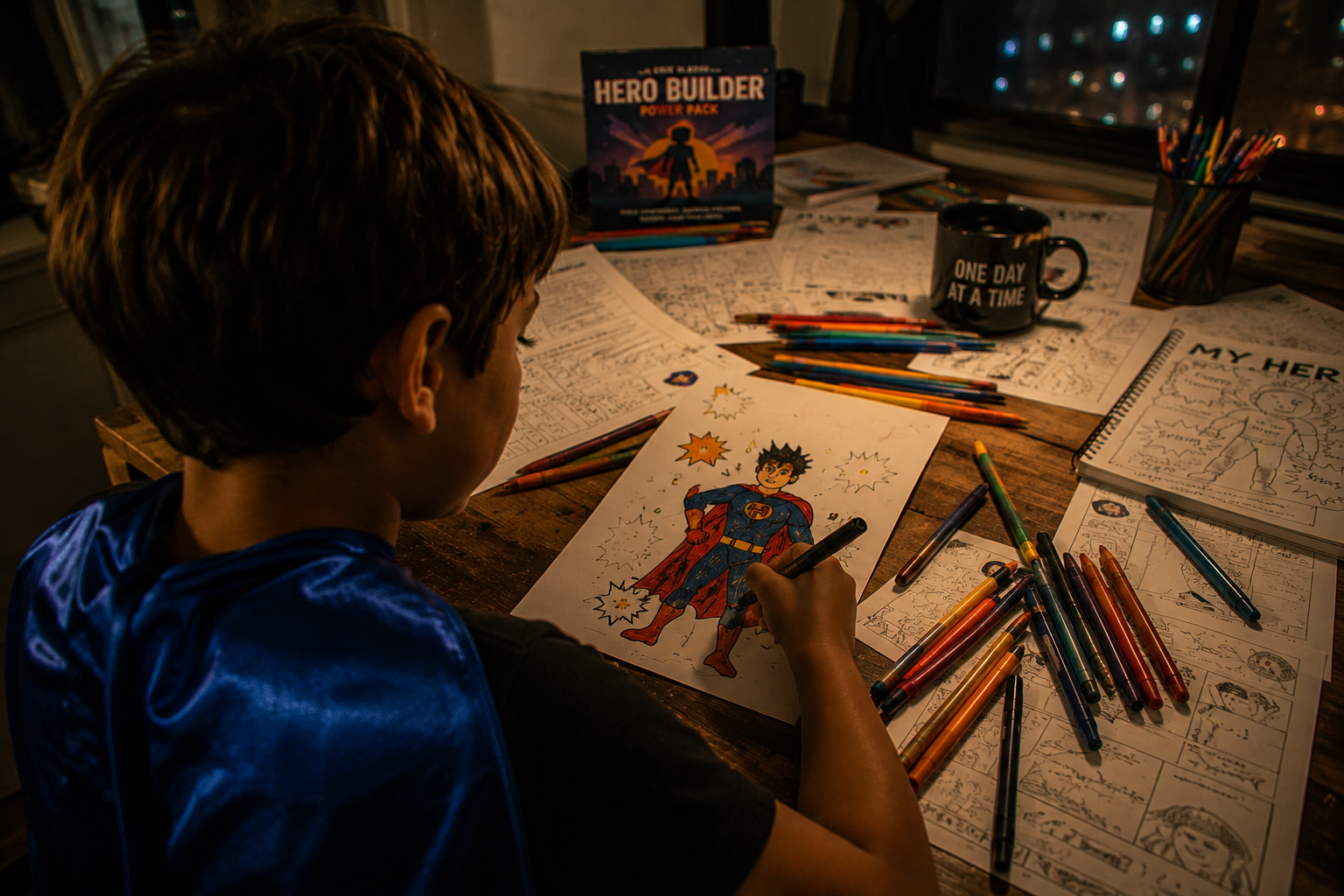
Years later, the lessons Jake taught me became the foundation for the Hero Builder Worksheet.
The goal wasn't simply to create characters.
The goal was to help children identify strengths.
Every hero has:
A mission
A challenge
A strength
A story
So does every child.
The worksheet simply helps children recognize those qualities within themselves.
Because confidence often begins when children realize they already possess strengths worth celebrating.
Confidence Doesn't Mean Fearlessness
One of the biggest misconceptions about confidence is that confident people aren't afraid.
The truth is the opposite.
Confidence isn't the absence of fear.
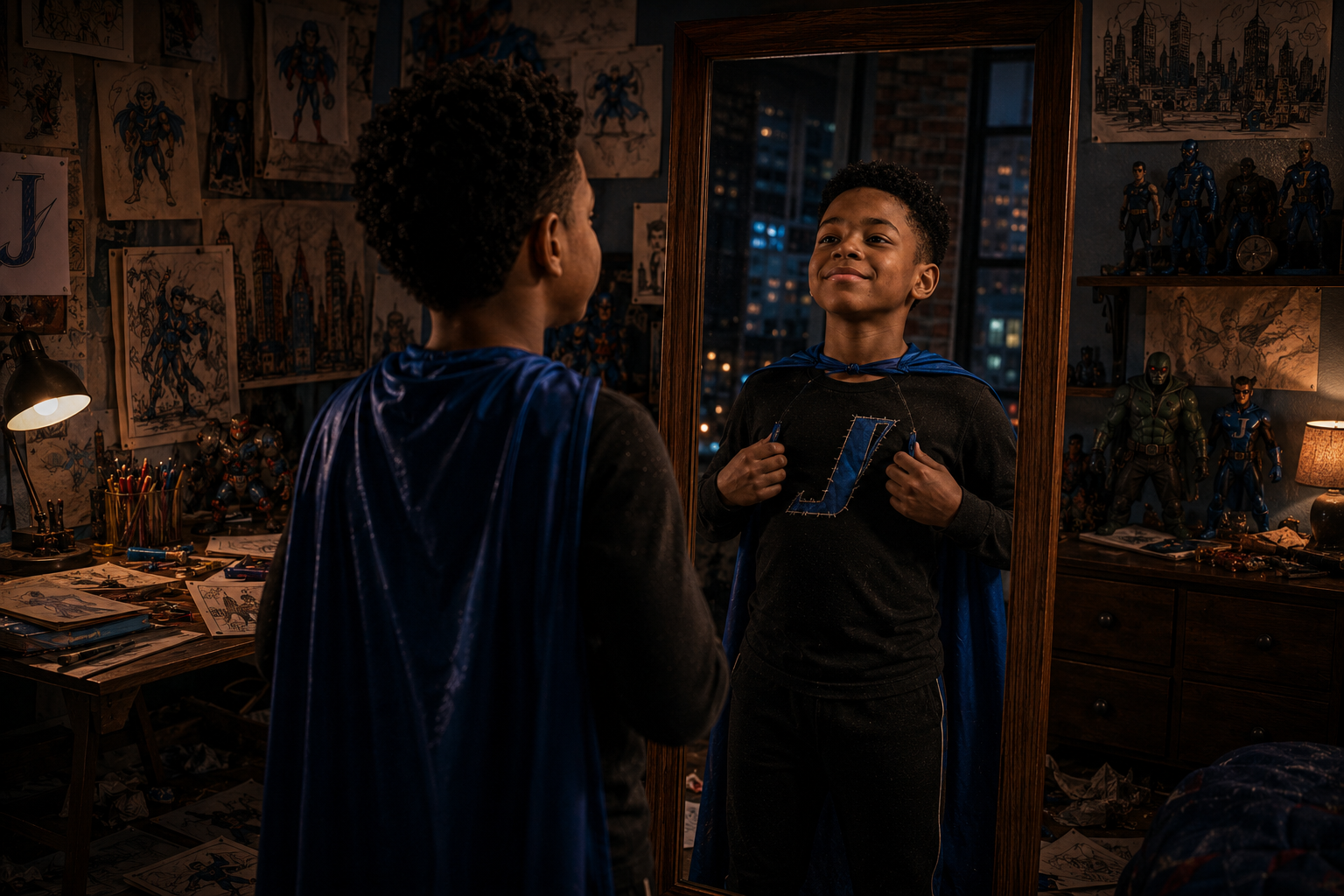
Confidence is taking action despite fear.
Every superhero story teaches this lesson.
Heroes aren't brave because they're fearless.
They're brave because they act anyway.
This became an important lesson for Jake.
And honestly, it became an important lesson for me as a father.
Growth often requires stepping into uncertainty.
Confidence grows every time we do.
A Message to Parents
If your child has a special interest, don't dismiss it as a distraction.
Pay attention.
It might be a doorway.
For Jake, superheroes became that doorway.
Through heroes, he developed communication skills.
Through heroes, he practiced storytelling.
Through heroes, he built confidence.
Most importantly, through heroes, he discovered strengths that were already inside him.
As parents, our job isn't to create confidence for our children.
Our job is to help them recognize the strengths they already possess.
Sometimes that happens through sports.
Sometimes through music.
Sometimes through academics.
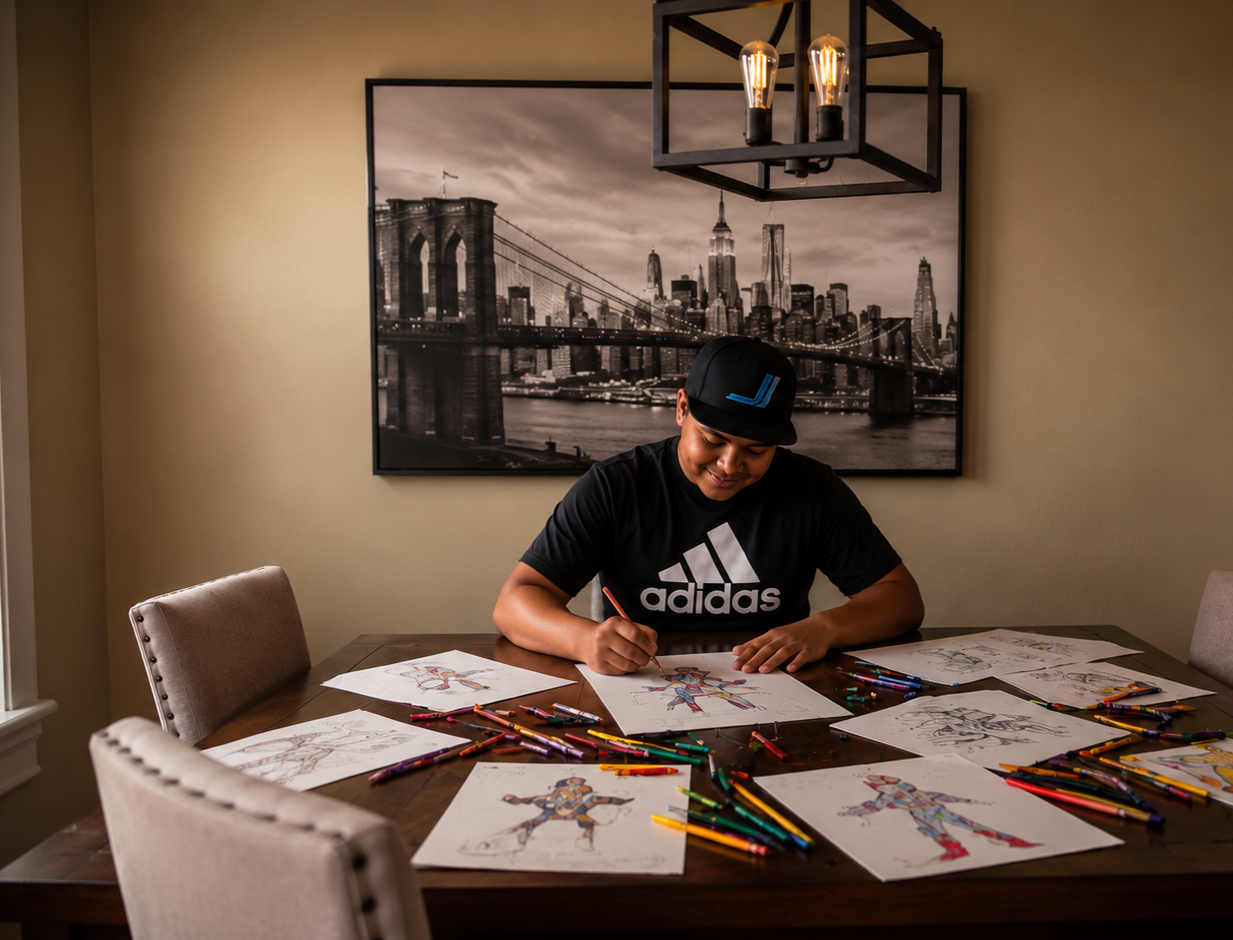
And sometimes through a child sitting at a table drawing superheroes.
Final Thoughts
When I look back on our journey, I realize that superheroes were never really about capes, powers, or costumes.
They were about possibility.
They taught Jake that challenges don't define him.
They taught him that growth is possible.
They taught him that every hero faces obstacles.
Most importantly, they taught him that strengths and struggles can exist at the same time.
Today, I still believe every child has a hero story inside them.
Sometimes they just need someone to help them discover it.
And sometimes, confidence begins with a blank sheet of paper, a pencil, and the simple question:
"What kind of hero do you want to become?"

Led Bradshaw is a father, author, illustrator, and the founder of Jetpulse Studios, an educational media company dedicated to helping children build confidence through creativity, storytelling, and visual learning. Inspired by his son Jake's autism diagnosis, Led developed a unique approach that combines art, superhero storytelling, and character creation to support communication, emotional growth, and self-expression.
Over the past several years, Led has created comics, workbooks, and educational resources used by families, educators, and neurodivergent learners. His family's journey has been featured by Good Morning America, The Today Show, News 12, Good Day New York, and other national media outlets. He is also the recipient of an Emmy Award for his work helping share Jake's story and advocating for autism awareness.
Through The Jetpulse, Led shares practical parenting insights, creative activities, and real-world strategies drawn from his experiences raising a son with autism. His mission is simple: help families discover their strengths, build confidence, and create meaningful connections through creativity.