

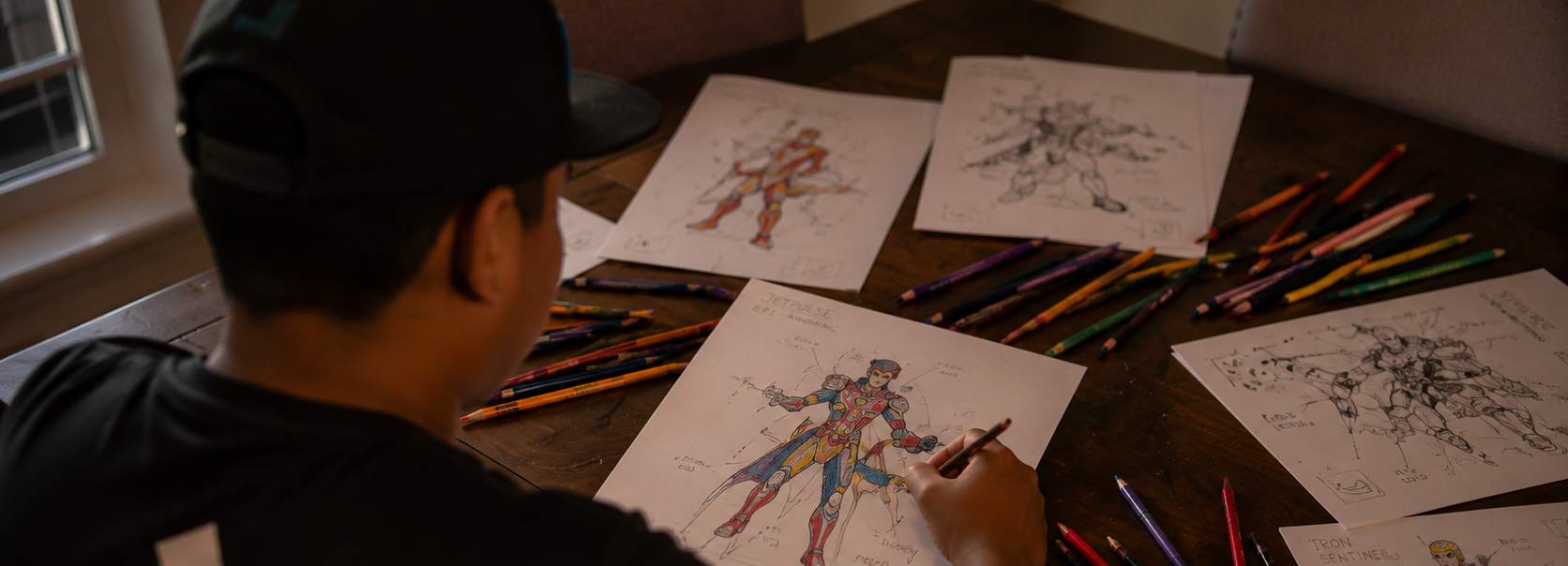
Creative Resources For Parents & Families
Explore free art lessons, emotional-learning activities, storytelling tools, and supportive articles designed to help children and families grow through creativity and connection.

Free Art Lessons
Creative drawing activities and imagination-based lessons designed to help children build confidence, emotional expression, and storytelling skills through art.
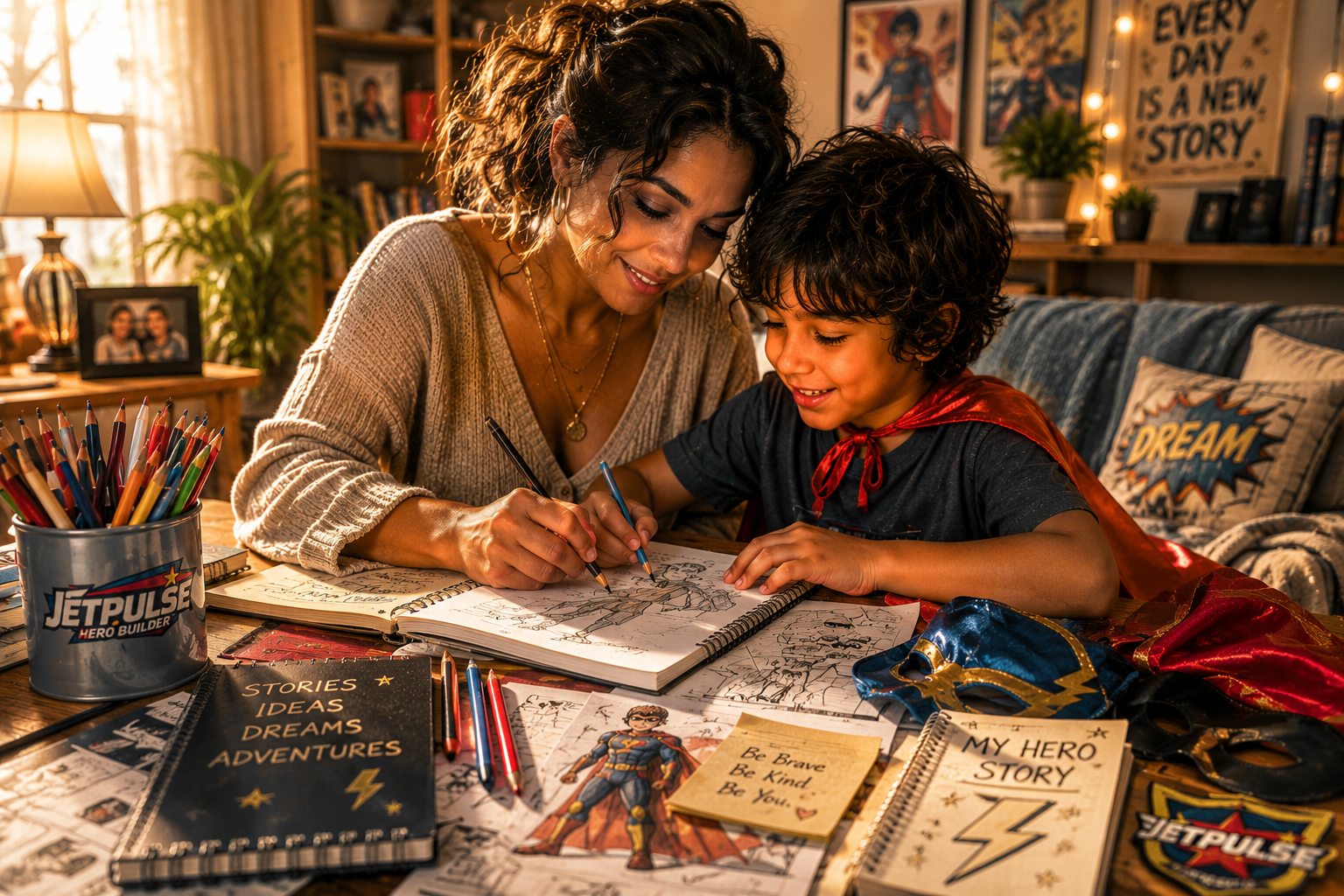
Stories, Guidance & Real Conversations
Thoughtful articles for parents navigating creativity, emotional growth, confidence-building, overthinking, second acts, and the everyday realities of family life.
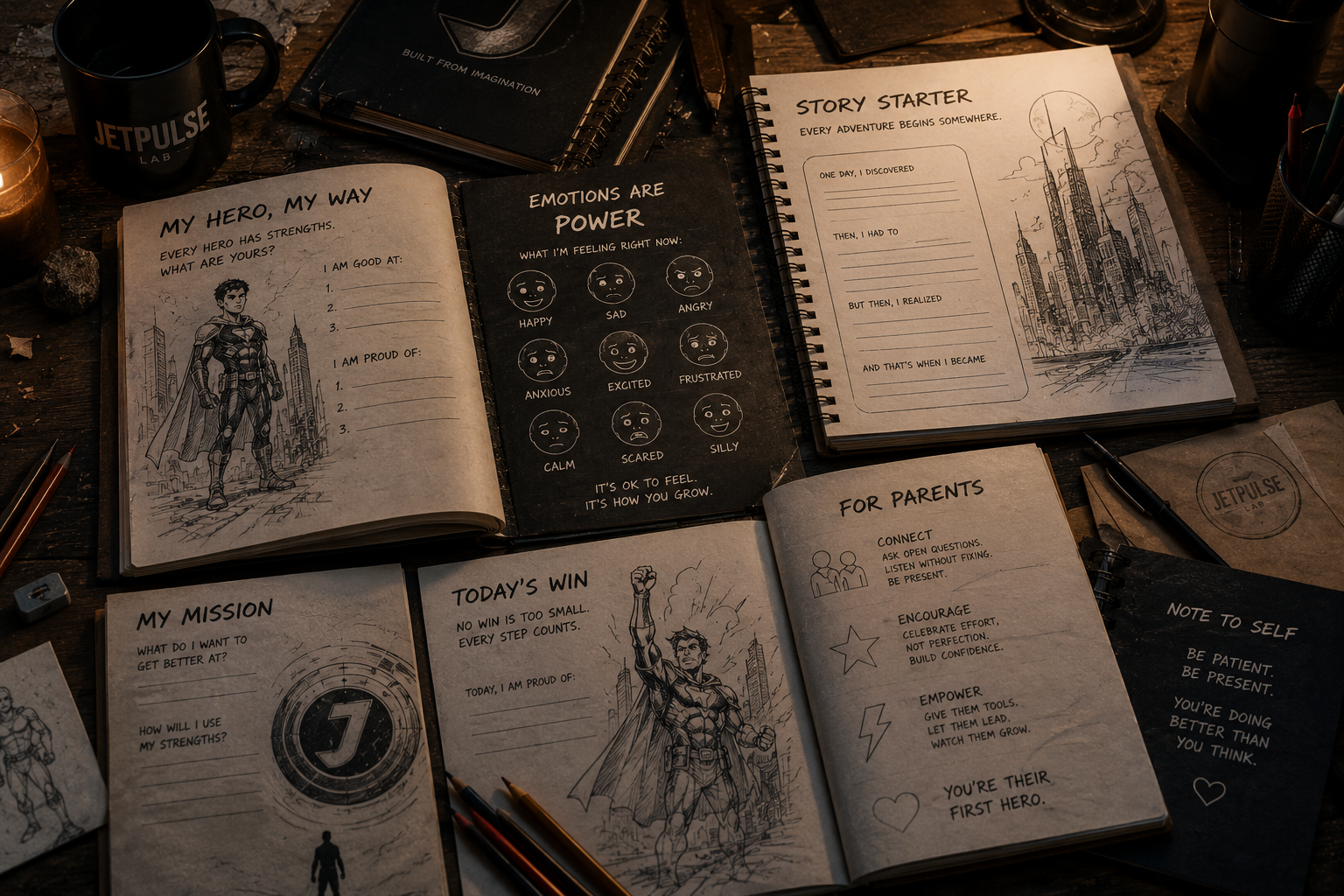
The Jetpulse Method
Jetpulse combines storytelling, creativity, emotional learning, and imaginative roleplay to help children express themselves, build confidence, and feel emotionally safe.
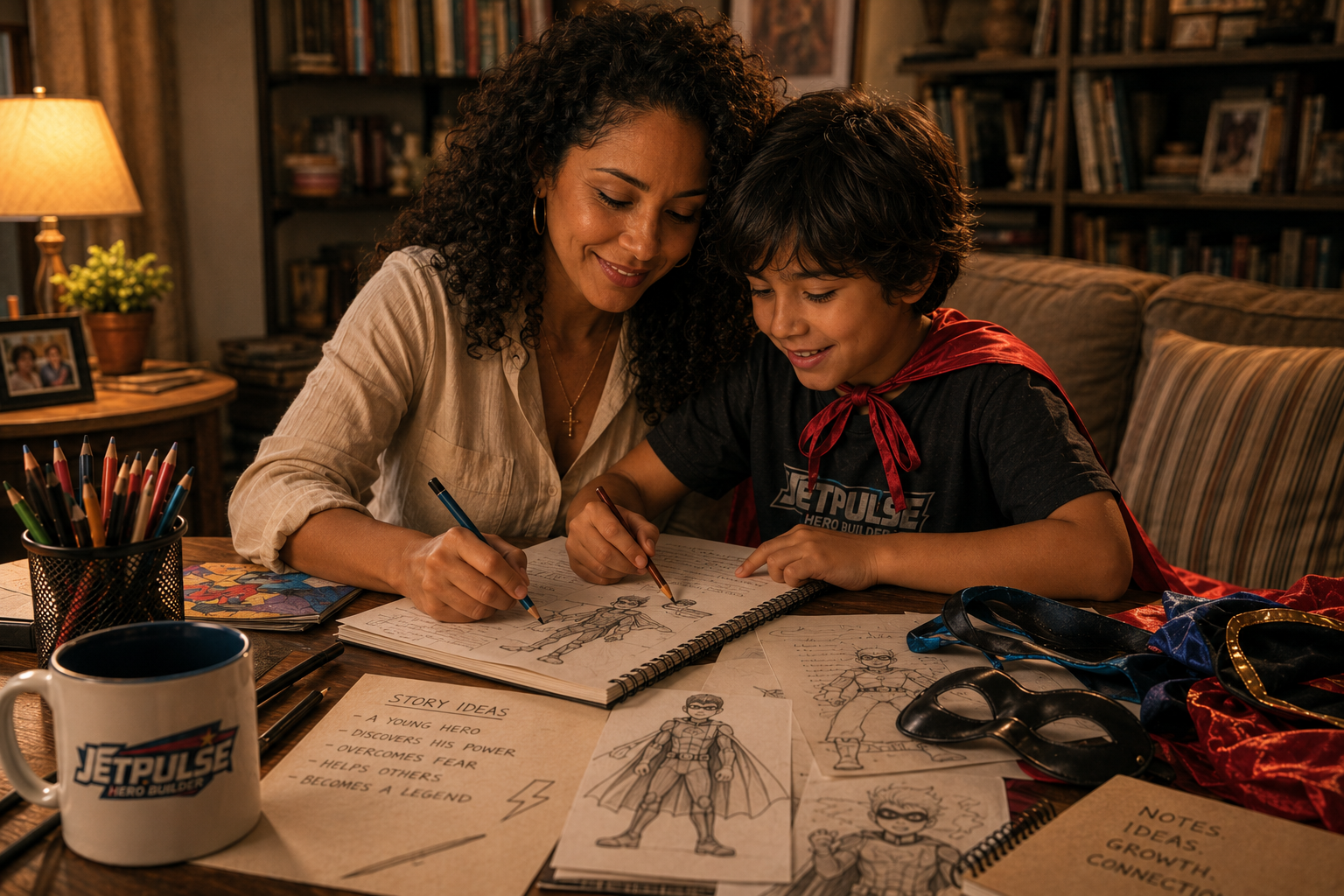
Storytelling
Stories help children safely explore emotions, confidence, courage, and communication through imagination.
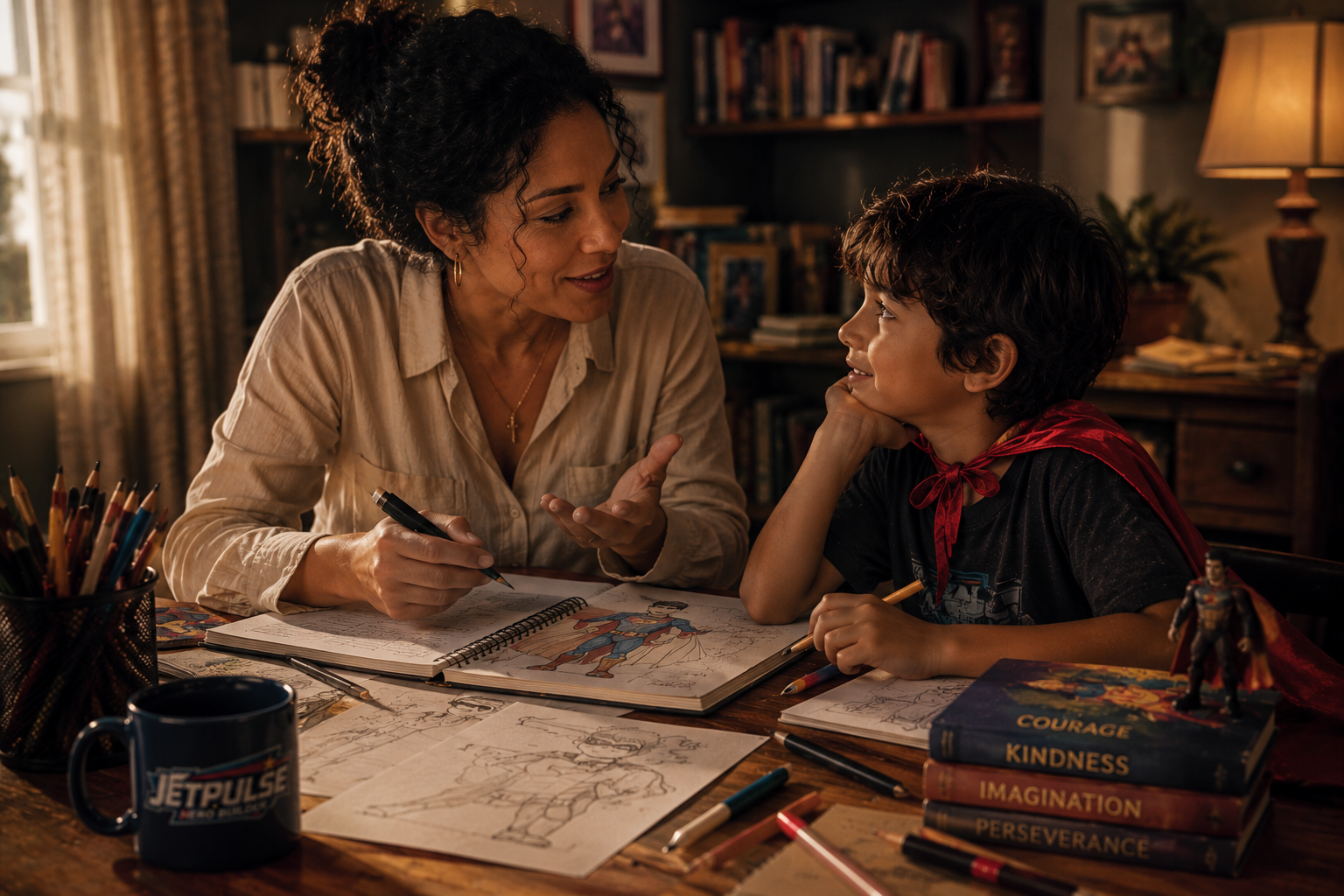
Creativity
Drawing, worldbuilding, and character creation encourage emotional expression and creative confidence.
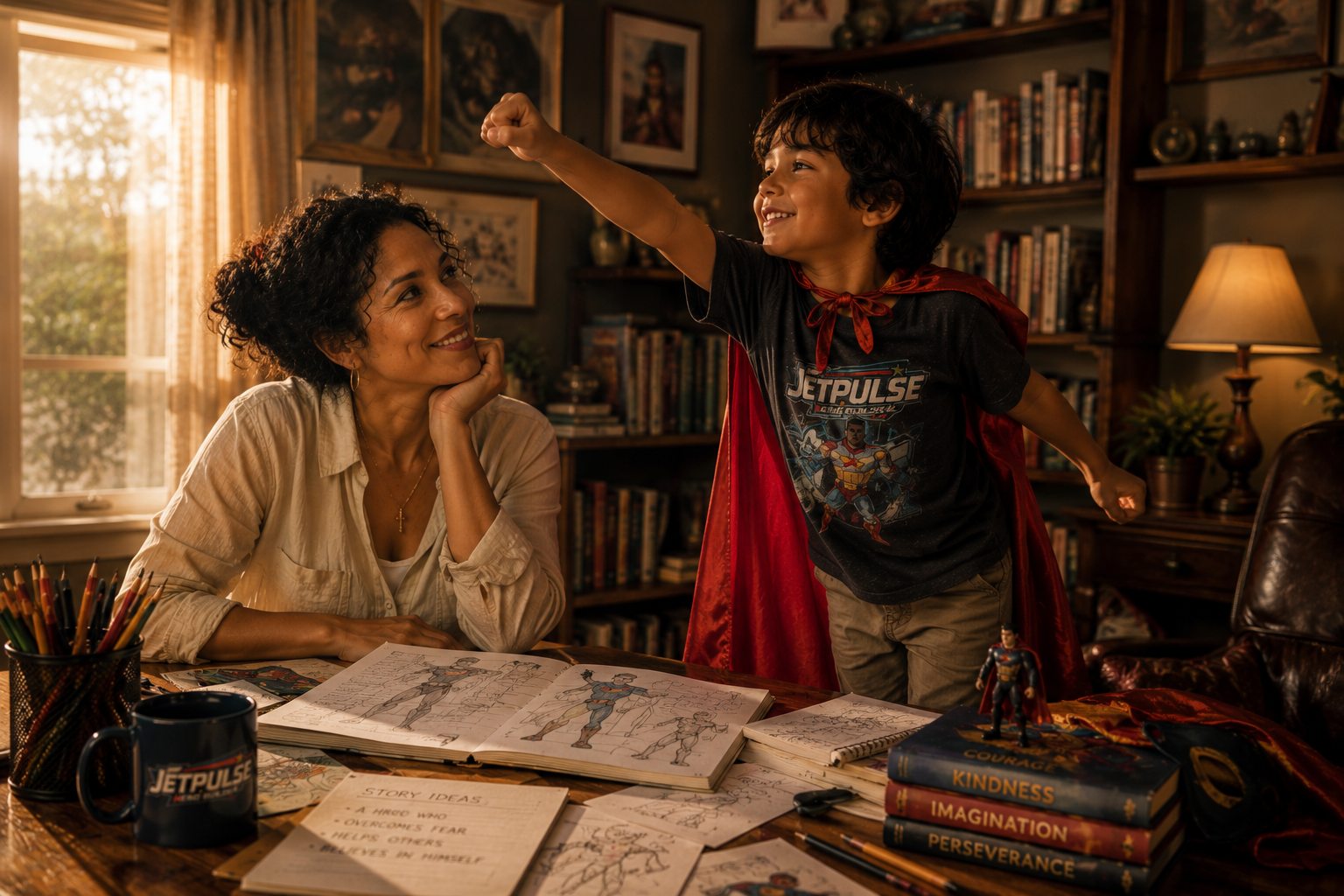
Connection
Shared creative experiences help strengthen trust, communication, and emotional connection between parents and children.

Real Conversations
Personal essays, reflections, and emotionally honest conversations about parenting, creativity, rebuilding yourself, emotional growth, overthinking, second chances, and the realities of everyday life.

Honest Conversations About Parenting, Growth & Life

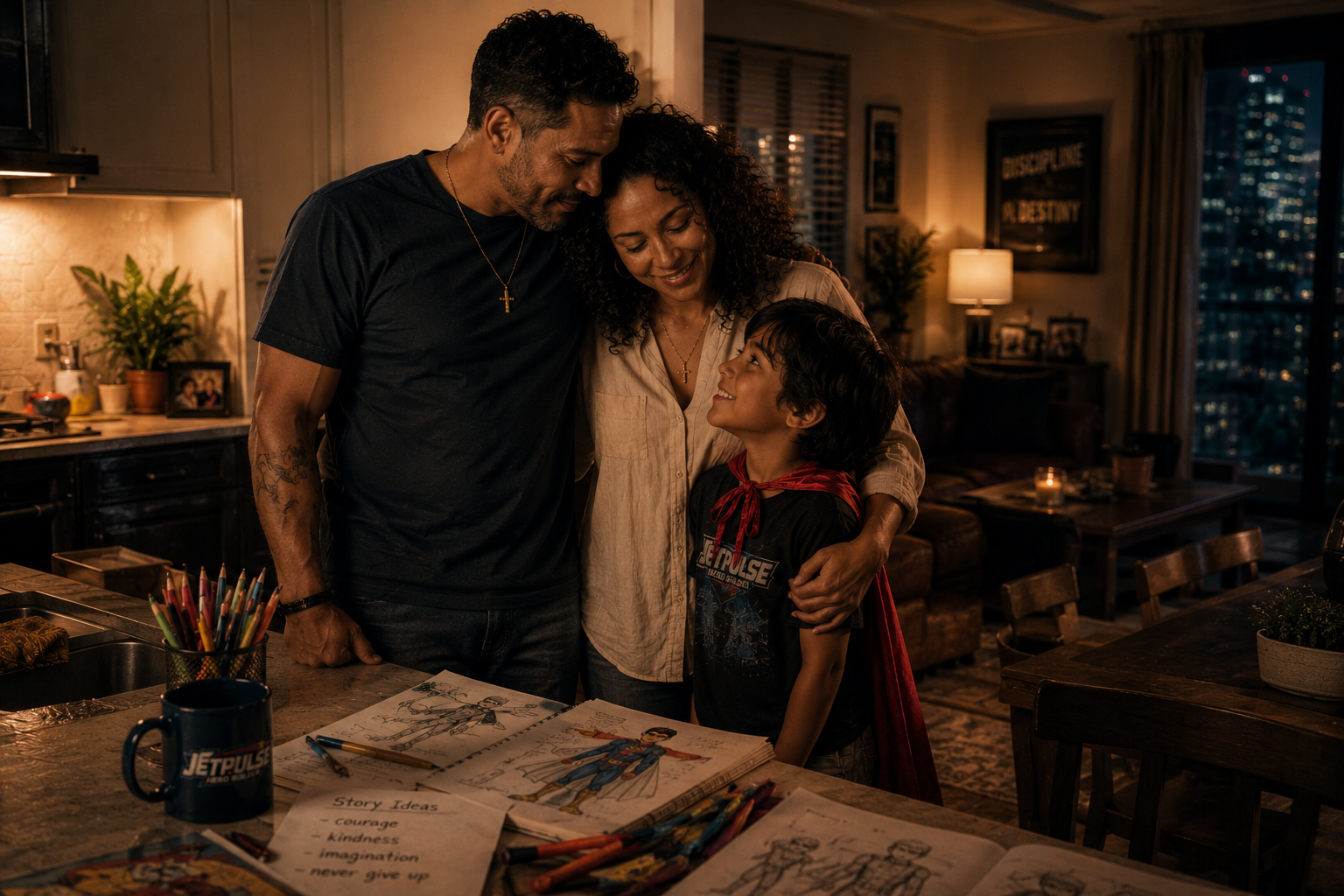
You Don’t Have To Do This Alone
Whether you’re looking for creative tools, emotional support, storytelling ideas, or simply a reminder that you’re doing better than you think — Jetpulse was built to help families feel connected, supported, and inspired.
FAQs
How can storytelling help autistic and neurodivergent children express emotions?
Storytelling gives children a safer and more creative way to explore emotions that may feel difficult to explain directly. By turning feelings into characters, powers, missions, and stories, children can begin expressing fear, confidence, frustration, courage, and identity in a way that feels less overwhelming and more empowering.
What are some creative emotional learning activities for neurodivergent kids?
Creative emotional learning activities can include superhero identity-building, drawing emotions through characters, storytelling exercises, comic creation, emotion wheels, confidence journals, and imaginative roleplay. These activities help children communicate feelings visually and creatively instead of relying only on verbal explanation.
Why do some children respond better to creativity than traditional emotional learning tools?
Many neurodivergent and highly sensitive children experience pressure, shutdown, or frustration when emotional learning feels overly clinical or corrective. Creative activities reduce that pressure by making emotional exploration feel collaborative, imaginative, and emotionally safe instead of performative.
How can parents build confidence in children who feel different or misunderstood?
Confidence often grows when children feel seen, respected, and emotionally understood. Encouraging creativity, validating their interests, allowing self-expression, and helping them build positive personal identity through art and storytelling can help children feel proud of who they are instead of feeling pressured to hide their differences.