Helping an Autistic Child Understand Grief and Loss
A guide for single parents navigating one of the hardest conversations
Grief is difficult for any child to understand. For autistic children, it can be even more confusing—because the emotional language adults use doesn’t always match how they process the world.
Recently, my son and I attended both the private viewing and funeral of someone very close to our family—my cousin Diane, who was like an older sister to me and someone my son knew and loved well.
It was his first time experiencing loss in such a direct way.
And what I witnessed taught me more about grief, resilience, and healing than I expected.
This post is for parents—especially single parents and families raising autistic children—who may be navigating this moment for the first time and wondering how to talk about it, how to prepare their child, and how to move forward together.
Why grief looks different for autistic children
Autistic children often process life through structure, logic, and sensory experience. Death disrupts all three.
You may notice:
Literal questions (“Where did they go?” “When are they coming back?”)
Focus on details rather than emotions
Calmness at first, followed by delayed reactions
Changes in routine, sleep, or behavior later
This doesn’t mean they don’t feel grief.
It means they experience it differently.
Start with clarity, not euphemisms
Many adults soften death with phrases like:
“She passed away.”
“We lost her.”
“She went to sleep.”
For autistic children, this can create confusion or fear.
Clear language helps:
“Her body stopped working.”
“When someone dies, they can’t come back, and we won’t see them again.”
Direct honesty builds trust and emotional safety.
Preparing your child for a viewing or funeral
One of the most helpful things you can do is explain what the environment will look and feel like ahead of time.
Tell them:
People may cry
It may be quiet
There may be hugging
There may be a casket or photos
Let them know they have choices:
“You can sit with me, hold my hand, ask for a break, or just observe.”
Structure reduces anxiety.
A moment I will never forget
At the private viewing, something happened that touched everyone in the room.

My son took out his phone and showed her the drawings he had been creating on his tablet.
He spoke to her with the same reverence and passion he always had when she was alive—sharing his stories, his characters, his ideas.
There was no performance.
No script.
Just connection.
The family felt it immediately. It was pure, honest, and deeply human.
It reminded me that autistic children don’t always express grief the way adults expect—but they express love in ways that are just as powerful.
Sometimes even more so.
Expect questions—and answer them honestly
Afterward, the questions came. Direct. Thoughtful. Sometimes difficult.
“Why did she die?”
“Will you die?”
“What happens now?”
The best approach is calm honesty paired with reassurance:
“Yes, everyone dies someday. But most people live a long time. Right now, we are safe.”
Truth plus stability builds emotional resilience.
Watch for delayed grief
Some autistic children don’t react right away.
Days or weeks later, you might see:
Changes in routine
Repetitive questions
Emotional shutdowns
Sudden sadness or anxiety
Grief often arrives in waves.
Stay open to revisiting the conversation.
Use concrete ways to process loss

Abstract emotions are hard. Tangible expression helps.
Try:
Drawing memories
Looking at photos together
Writing a goodbye note
Creating a memory box
Creativity gives feelings somewhere to go.
For my son, storytelling and drawing became his way of staying connected.
What my child taught me about healing
Here’s the part I didn’t expect.
In the days after the funeral, I was struggling. Quiet moments felt heavy. Grief crept in at random.
And my son—through his creativity, his stories, his constant building of worlds and characters—pulled me forward.
Watching him create… watching him keep expressing… watching him continue to connect through imagination…
It helped me move through some dark spots.
I realized something important:
Sometimes our children aren’t just learning from us.
Sometimes they guide us through the hardest parts of life.
For single parents: you’re carrying two roles at once
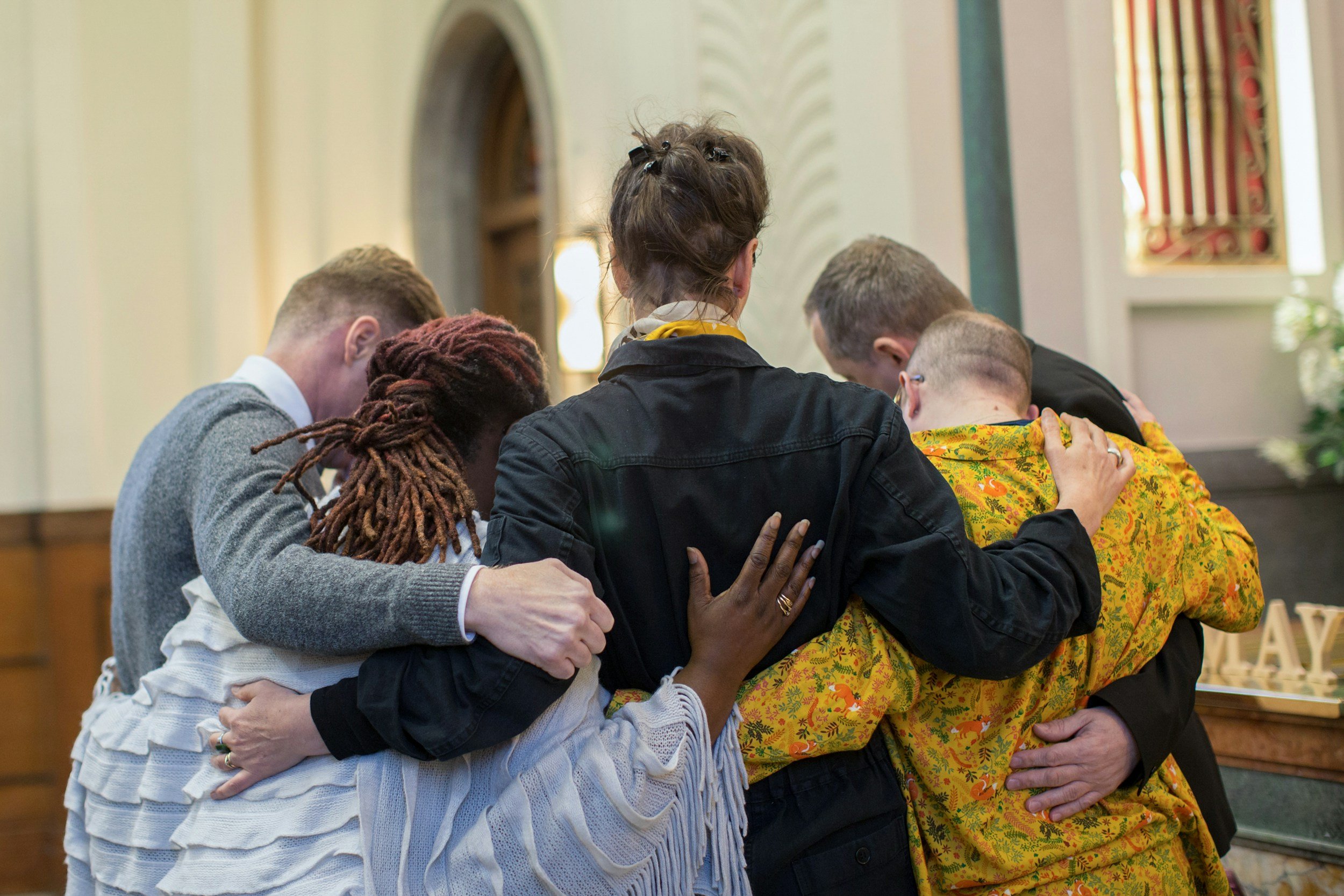
When you’re the emotional anchor, you’re grieving and guiding at the same time.
You won’t do it perfectly.
What matters is:
You showed up
You stayed honest
You created safety
You listened
That’s enough.
More than enough.
The real goal isn’t “understanding death”
It’s building emotional resilience.
Every conversation about grief teaches your child:
That emotions are safe
That questions are welcome
That love continues even after loss
That they’re not alone when life gets heavy
Those lessons last far beyond this moment.
Final reflection
Autistic children don’t need softer truths.
They need clearer ones—and a steady person beside them.
Grief is not something we protect our kids from.
It’s something we walk through with them.
And sometimes, if we’re paying attention, they show us how to walk through it too.
If you’re having this conversation with your child right now, you’re already doing something powerful:
You’re teaching them that even in loss… there is connection, honesty, creativity, and love.
And that is how healing begins.