How Comics Help Children Develop Social Skills:
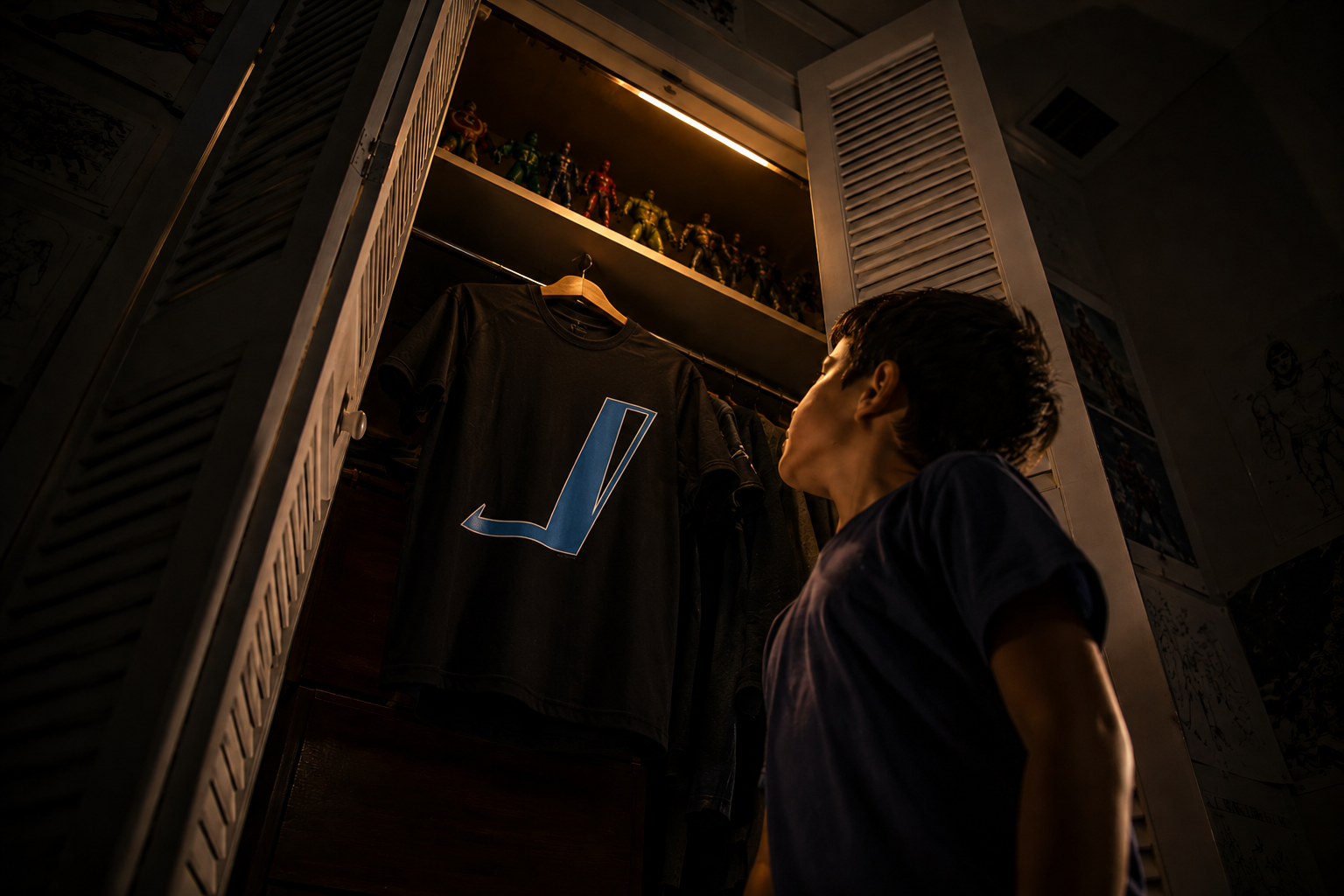
What I Learned Watching My Son Tell Stories Through Pictures
When most people think about helping children develop social skills, comics probably aren't the first thing that comes to mind.
Parents often hear recommendations about social groups, therapy programs, role-playing exercises, or communication activities.
Those things can certainly help.
But one of the most surprising tools I discovered while raising my son Jake was something much simpler.
Comics.
What started as a love of superheroes eventually became a powerful way to explore communication, relationships, emotions, and social situations.
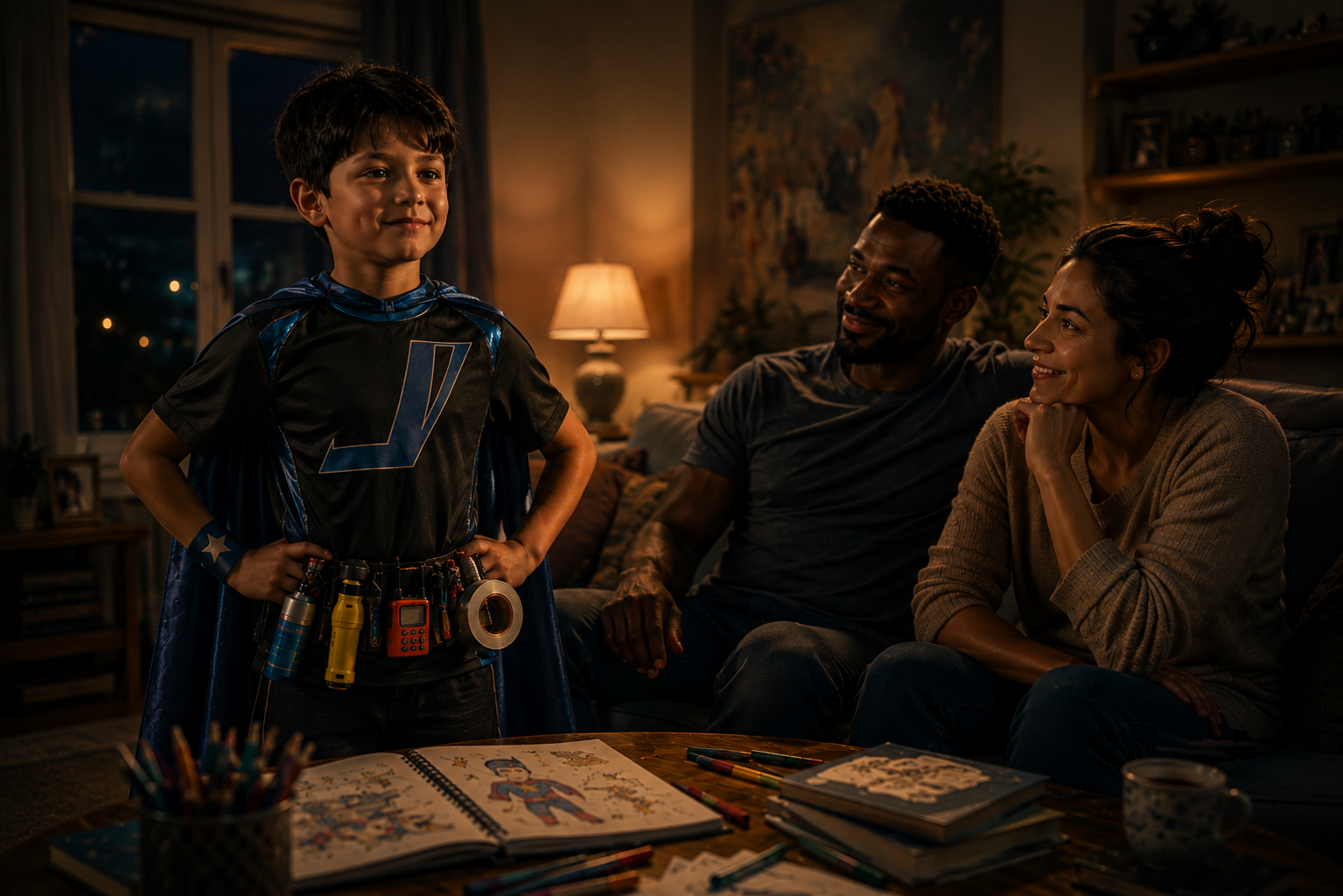
At first, I thought comics were simply entertainment.
Colorful pictures.
Exciting adventures.
Heroes and villains.
But over time, I began to see something much deeper.
Every comic is a social story.
Every panel is a conversation.
Every character is navigating relationships, emotions, challenges, and decisions.
Without realizing it, Jake was learning important social concepts every time he created or explored a story.
Why Social Skills Can Be Challenging for Some Autistic Children
Every autistic child is different.
Some children enjoy social interaction but struggle to understand certain social cues.
Others may find conversations difficult.
Some children prefer independent activities and need extra support developing social confidence.
As parents, we often look for opportunities to help our children better understand:
Emotions
Perspective-taking
Communication
Cooperation
Problem solving
Friendships
The challenge is finding approaches that feel natural and engaging.
That's where comics can become incredibly valuable.
Every Comic Is a Social Story
Think about your favorite comic, movie, or superhero story.
At its core, every story involves people interacting.
Characters talk.
They disagree.
They cooperate.
They misunderstand each other.
They solve problems together.
They make mistakes.
They learn.
These interactions provide countless examples of social situations.
Because the stories are visual, children can see what is happening instead of relying entirely on verbal explanations.
That visual component makes a huge difference.
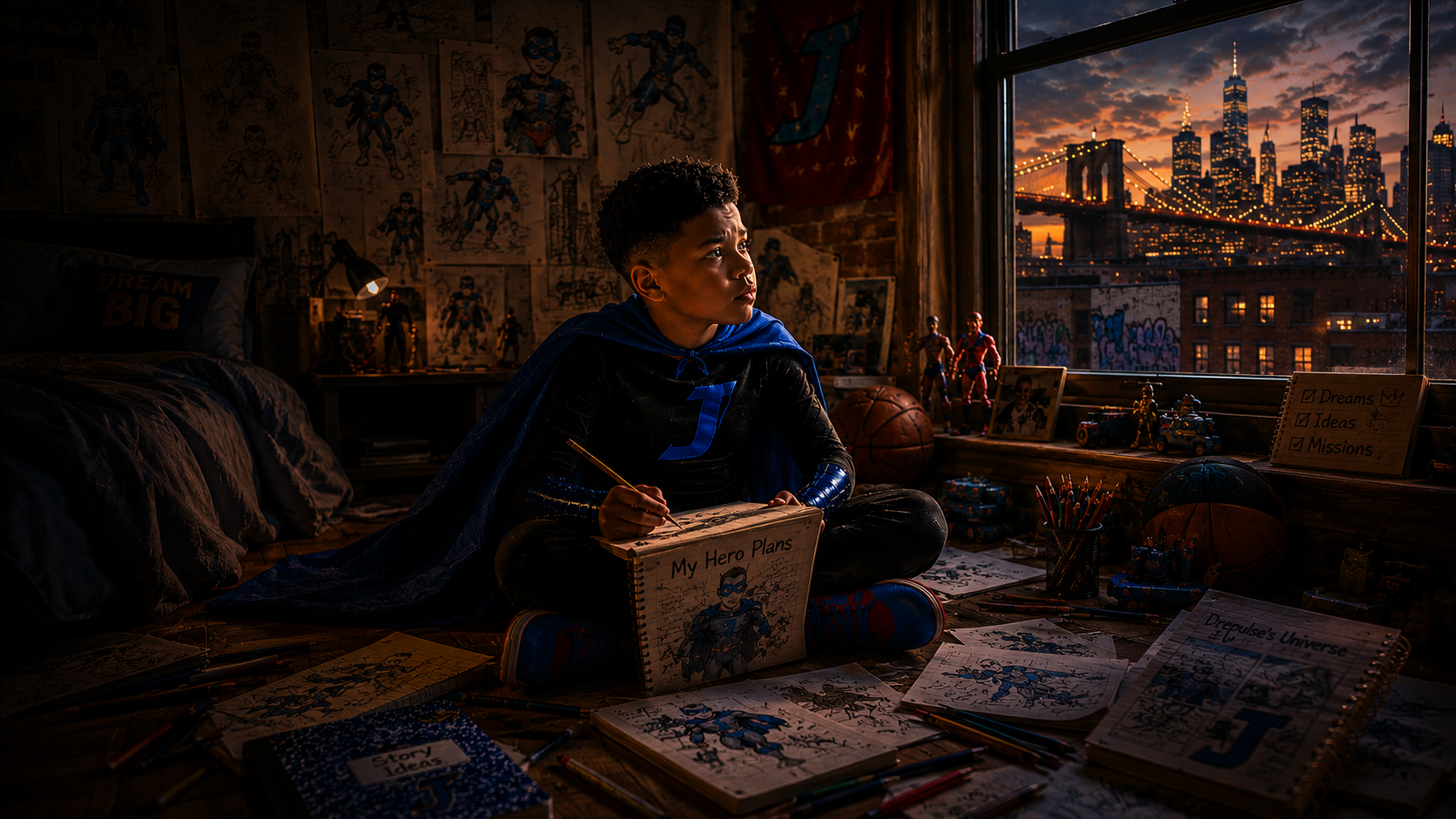
Why Visual Learning Matters
Many autistic children process visual information exceptionally well.
Pictures often communicate ideas more clearly than spoken explanations.
A comic panel can instantly show:
Facial expressions
Body language
Emotions
Reactions
Relationships
Instead of simply hearing that a character feels frustrated, children can see it.
Instead of discussing how two characters resolved a disagreement, they can watch it happen.
Visual storytelling creates a bridge between abstract social concepts and concrete examples.
How Comics Encouraged Conversation
One of the things I loved about comics was how naturally they encouraged communication.
When Jake created a story, I could ask questions like:
Why did the hero make that choice?
How is that character feeling?
What happened next?
How do you think the villain reacted?
These conversations never felt like lessons.
They felt like storytelling.
Yet they created opportunities to discuss emotions, relationships, and perspectives.
The comic became a shared language.
Understanding Different Perspectives
Perspective-taking is an important social skill.
It involves understanding that different people may think, feel, or experience situations differently.
Many comics naturally encourage this skill.
Heroes and villains often see situations differently.
Two characters may want different outcomes.
Friends may disagree.
When children explore these stories, they begin thinking about multiple viewpoints.
Questions like:
Why did that character make that choice?
What were they thinking?
What would you have done?
encourage flexible thinking and social understanding.

Comics Make Emotions Visible
One challenge many children face is recognizing emotions.
Comics are excellent emotional learning tools because emotions are literally drawn on the page.
Characters display:
Happiness
Frustration
Excitement
Anxiety
Fear
Pride
Disappointment
The visual format makes emotions easier to identify and discuss.
Children can learn to recognize emotional cues while engaging with stories they genuinely enjoy.
Creating Comics Builds Social Thinking
Reading comics is valuable.
Creating comics can be even more powerful.
When children create stories, they become responsible for the social interactions inside those stories.
They must decide:
What characters say
How characters react
How conflicts are resolved
How friendships develop
How challenges are overcome
This process encourages social reasoning in a creative and engaging way.
A Simple Comic Activity That Worked for Us
One activity Jake enjoyed was creating short comic strips featuring original heroes.
The format was simple:
Panel 1
A problem appears.
Panel 2
The hero reacts.
Panel 3
The hero works with someone else.
Panel 4
The problem is solved.
What made this activity powerful wasn't the artwork.
It was the conversations that happened during the process.
We discussed:
Cooperation
Teamwork
Communication
Problem solving
Without making it feel like a lesson.
Why Superhero Comics Are Especially Effective
Superhero stories are often built around positive social themes.
Many heroes demonstrate:
Courage
Kindness
Responsibility
Leadership
Empathy
They help others.
They work in teams.
They overcome conflicts.
They solve problems.
These themes create opportunities to explore social concepts through characters children admire.
For Jake, superheroes became more than entertainment.
They became role models.
Comics Support Confidence Too
One thing I noticed over time was that comics didn't just support social skills.
They supported confidence.
Every completed comic represented an accomplishment.
Every finished story reinforced creativity and communication.
The more Jake created, the more confident he became in expressing ideas.
That confidence eventually carried over into other areas of life.
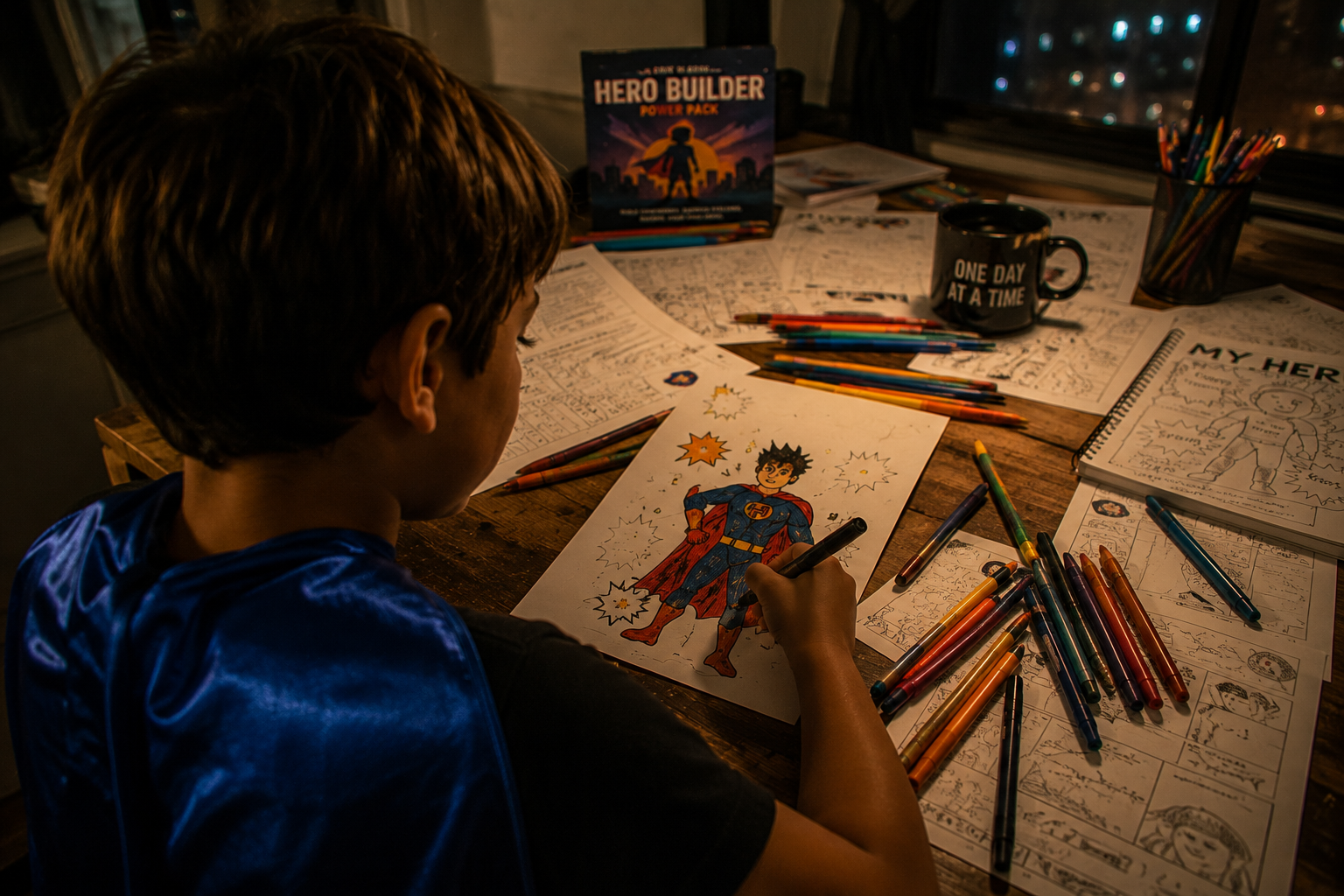
What Comics Taught Me as a Father
Perhaps the biggest lesson I learned is that social learning doesn't always happen through traditional methods.
Sometimes children learn best when they're engaged in something they love.
For Jake, comics provided:
Motivation
Structure
Creativity
Communication opportunities
Emotional exploration
Most importantly, they provided connection.
They gave us something meaningful to share.
Something we could create together.
Something that encouraged growth without feeling like work.
How Parents Can Use Comics at Home
You don't need artistic talent.
You don't need expensive materials.
You don't need professional training.
Start simple.
Try:
Create a Four-Panel Comic
A beginning, middle, problem, and solution.
Add Speech Bubbles
Practice conversations between characters.
Explore Emotions
Ask how characters feel in different situations.
Create Team Heroes
Encourage cooperation and teamwork.
Finish the Story
Draw the first panel and let your child create the rest.
The goal isn't perfection.
The goal is communication.

A Message to Parents
If your child loves superheroes, comics, drawing, or storytelling, pay attention.
Those interests may be opening doors you haven't noticed yet.
Comics can become:
Communication tools
Emotional learning tools
Confidence-building tools
Social learning tools
Most importantly, they can become opportunities for connection.
Sometimes growth happens when we meet children where their interests already live.
Final Thoughts
When I look back on our journey, I realize comics gave us much more than entertainment.
They gave us conversations.
They gave us stories.
They gave us opportunities to explore emotions, relationships, and problem solving.
They gave Jake a way to express ideas.
And they gave me a better understanding of how he saw the world.
Today, I still believe every child has stories worth telling.
Sometimes those stories begin with a pencil, a blank page, and a few comic panels.
And sometimes those panels become bridges to communication, confidence, and connection.

Led Bradshaw is a father, author, illustrator, and the founder of Jetpulse Studios, an educational media company dedicated to helping children build confidence through creativity, storytelling, and visual learning. Inspired by his son Jake's autism diagnosis, Led developed a unique approach that combines art, superhero storytelling, and character creation to support communication, emotional growth, and self-expression.
Over the past several years, Led has created comics, workbooks, and educational resources used by families, educators, and neurodivergent learners. His family's journey has been featured by Good Morning America, The Today Show, News 12, Good Day New York, and other national media outlets. He is also the recipient of an Emmy Award for his work helping share Jake's story and advocating for autism awareness.
Through The Jetpulse, Led shares practical parenting insights, creative activities, and real-world strategies drawn from his experiences raising a son with autism. His mission is simple: help families discover their strengths, build confidence, and create meaningful connections through creativity.