Reclaiming Peace Is a Quiet, Heavy Business
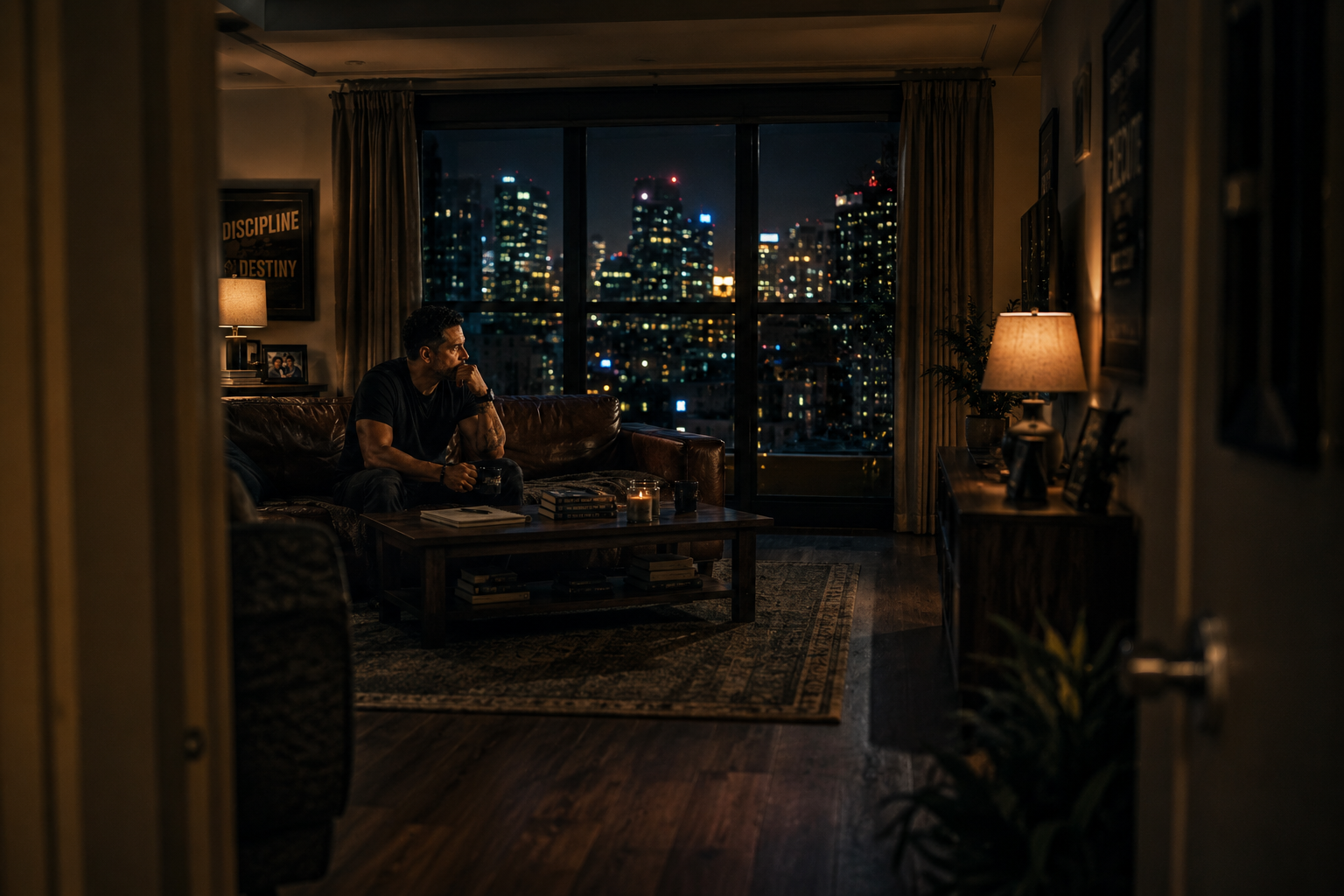
There’s a strange kind of loneliness that shows up after you finally start protecting your peace.
Not the kind caused by rejection. Not the kind caused by abandonment. I’m talking about the kind that arrives after you stop overextending yourself for people who only knew how to take pieces of you without ever asking what it cost you to keep giving them away.
For most of my life, I was the person answering the phone.
Showing up.
Fixing problems.
Managing emotional storms that didn’t belong to me because somewhere along the line I confused being needed with being valued.And when you live like that long enough, chaos starts feeling normal. You become so used to noise, stress, emotional labor, overthinking, and constantly carrying emotional weight that silence almost feels uncomfortable.
So when I finally started reclaiming my peace, I expected relief.
What I didn’t expect was the quiet.
The abrupt, almost uncomfortable stillness that arrived afterward.
Phone calls slowed down.

Certain conversations disappeared.
Some people became distant the moment I stopped over-functioning for them.
And honestly?
At first, it felt lonely.
It felt like sitting in an empty room wondering why the noise suddenly stopped. But the older I get, the more I realize that peace isn’t the absence of people.
It’s the presence of boundaries. Real boundaries.
The kind where you finally draw a line in the dirt and decide what you will no longer allow to cross it.
And just as importantly…
learning to respect the lines other people draw too.
That second part matters.
Because a lot of people love talking about boundaries when they’re the ones creating them. But respecting somebody else’s boundary when it doesn’t align with what you wanted?
That’s where emotional maturity actually begins.
And the difficult thing is that boundaries don’t always arrive the way we expect them to.
Sometimes they show up in ways that hurt.
Sometimes they sound like silence.
Distance.
Changed behavior.
A conversation becoming shorter than it used to be.
An empty chair where somebody used to sit.
A delayed text message.
A person pulling away in ways you weren’t emotionally prepared for.
And your first instinct is to think:
“This isn’t what I wanted.”
“This isn’t how I thought this would go.”
But life has a strange way of using discomfort to force honesty into the room.
Because sometimes boundaries aren’t walls.
Sometimes they’re doorways.
Doorways into conversations people avoided for years.
Doorways into truths nobody wanted to acknowledge because acknowledging them would require change.
And that’s where the real heavy lifting begins.
Not in the silence forever.
But in the conversations the silence eventually forces people to have.
The honest ones.
The uncomfortable ones.
The conversations where masks stop working.
Because truly seeing another human being eye to eye requires a completely different level of emotional effort.
It requires listening without preparing your defense while they speak.
It requires compromise.
It requires accountability.
It requires the ability to sit in discomfort long enough to understand another person’s pain without immediately making yourself the victim of it.
That kind of emotional labor is difficult.
Most people would rather avoid it entirely.
And honestly, I understand why.
Real conversations are terrifying.
Not because they destroy relationships…
but because they expose them.
They reveal whether two people are genuinely trying to understand each other or simply trying to win.
That’s why silence can feel so heavy.
Because underneath the silence usually lives a truth that both people already feel but haven’t fully said out loud yet.
And when you finally stop running from that truth, something strange starts happening.
You begin realizing how much of your life was built around managing chaos instead of cultivating peace.
You start noticing how many relationships were sustained entirely by your willingness to over-function.
You notice how many conversations only existed because you kept initiating them.
How many emotional fires only stayed under control because you were the one constantly carrying water.
And eventually you reach a point where your spirit becomes exhausted.
Not angry.
Exhausted.
There’s a difference.
Anger still has energy in it.
Exhaustion is quieter.
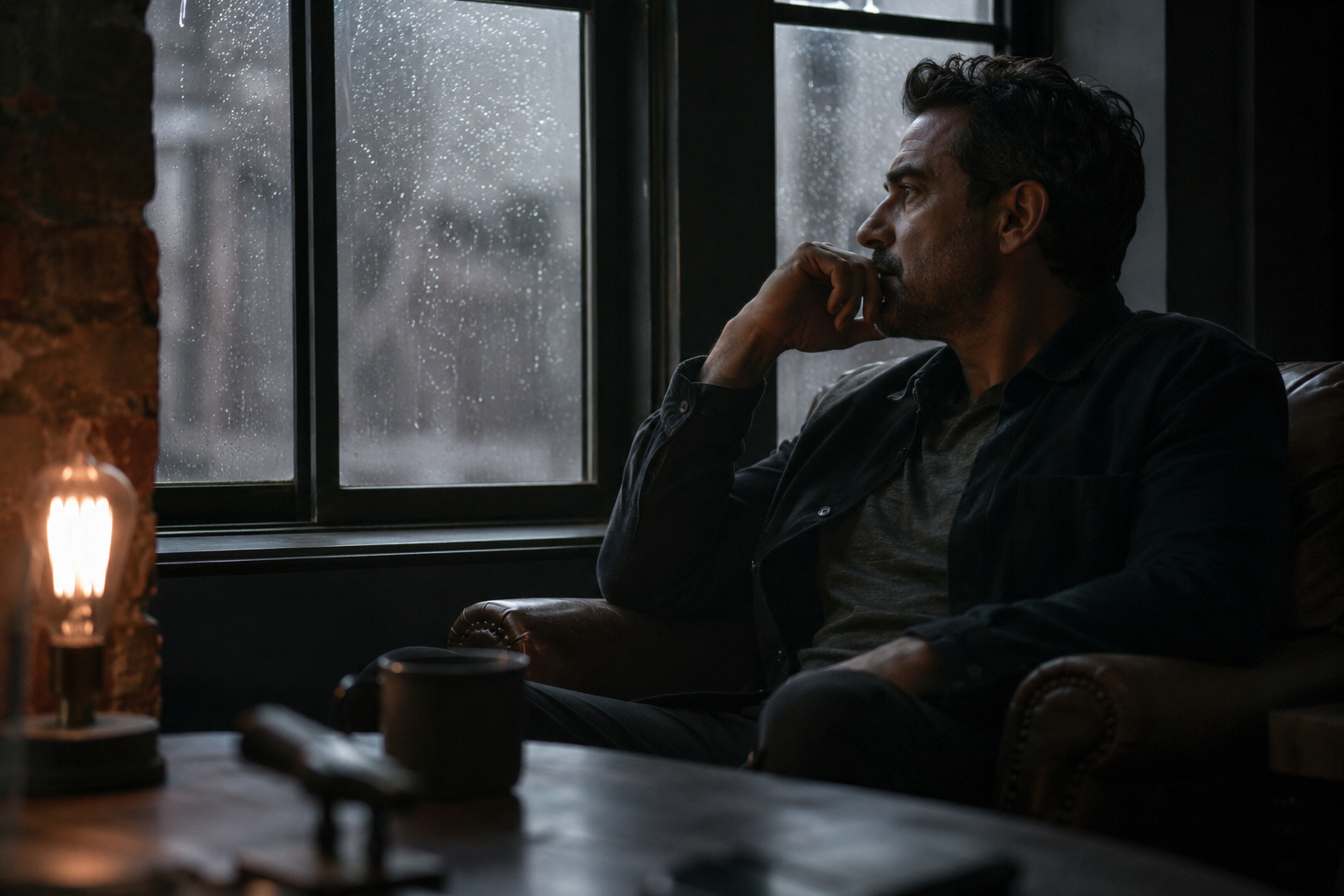
It’s the moment you finally realize that constantly saving people from themselves isn’t the same thing as connection.
It’s survival.
And survival mode changes people. It teaches you to stay alert instead of staying present. It teaches you to overthink every silence.
To analyze every shift in tone. To prepare for disappointment before it even arrives. For people raised around emotional inconsistency, chaos eventually becomes familiar.
Sometimes even comforting.
Because at least chaos is recognizable.
Peace feels unfamiliar.
And unfamiliar things often feel dangerous at first.
That realization changed a lot for me.
Because I started understanding that some people don’t sabotage relationships.
They sabotage peace.
Not intentionally.
Not maliciously.
But because peace requires something many people were never taught how to do:
Sit still without preparing for war.
That’s difficult for people whose nervous systems were trained around instability.
You can place somebody in the healthiest environment they’ve ever experienced…
and they’ll still feel the urge to search for danger because danger feels emotionally recognizable.
That’s why some people question kindness.
Test loyalty.
Create problems where there aren’t any.
Push people away before those people have the opportunity to leave first.
Not because they’re evil.
Because fear taught them that abandonment is inevitable.
And fear is persuasive when it speaks long enough.
That’s also why outside voices can become dangerous.
Because people who haven’t healed from their own chaos often project it onto everyone else around them.
They offer advice from wounds they haven’t recovered from yet.
And sometimes sabotage sounds exactly like concern.
That truth took me years to understand.
Not every smiling face wants to see you peaceful.
Because your healing forces other people to confront everything they still haven’t healed inside themselves.
And some people would rather pull you back into chaos than watch you outgrow it.
That realization hurts.
Especially when it comes from people you trusted.
But boundaries force clarity.
That’s their purpose.
Not punishment.
Clarity.
They reveal who respects your growth and who only benefited from your lack of boundaries.
That’s why reclaiming your peace feels so lonely at first.
Because once the chaos leaves…
you finally hear yourself clearly.
And for many people, that might be the first time in their entire adult life.
No noise.
No constant emotional emergencies.
No performing.
No over-explaining.
No shrinking yourself to keep everybody comfortable.
Just silence.
And in that silence, you finally meet yourself honestly.
That’s the frightening part.
But it’s also the healing part.
Because eventually you stop confusing loneliness with peace.
You realize there’s a difference between solitude and abandonment.
Solitude is chosen.
Abandonment is imposed.
And sometimes reclaiming your peace requires periods of solitude so you can rebuild your relationship with yourself without the constant interference of everyone else’s expectations.
That process changes you.
You stop chasing validation.
You stop explaining yourself to people committed to misunderstanding you.
You stop begging for reciprocity from emotionally unavailable people.
And slowly, your life becomes quieter.
Smaller in some ways.
But more honest.
More intentional.
More peaceful.
And maybe that’s the strange trade-off adulthood eventually forces many of us to confront.
Peace often costs noise.
Clarity often costs illusion.
Growth often costs relationships that were only functioning because you were betraying yourself to keep them alive.
That doesn’t make you bitter.
It makes you aware.
And awareness changes everything.
Because eventually you realize that a person who doesn’t respect their own boundaries will spend their entire life trying to manage the chaos of everyone else’s.
And that’s not love.
That’s emotional survival disguised as loyalty.
These days, I think peace looks different than I once imagined it would.
I used to think peace meant everybody staying.
Everybody understanding.
Everybody choosing each other forever.
Now I think peace is simpler than that.
I think peace is being able to sit alone in a quiet room without feeling the need to abandon yourself just to make the silence disappear.
And honestly?
That might be one of the hardest lessons adulthood ever teaches us.
But it might also be one of the most important.