The Quiet Emergency Next Door: Why Direct, Grassroots Aid Matters in New York City Right Now
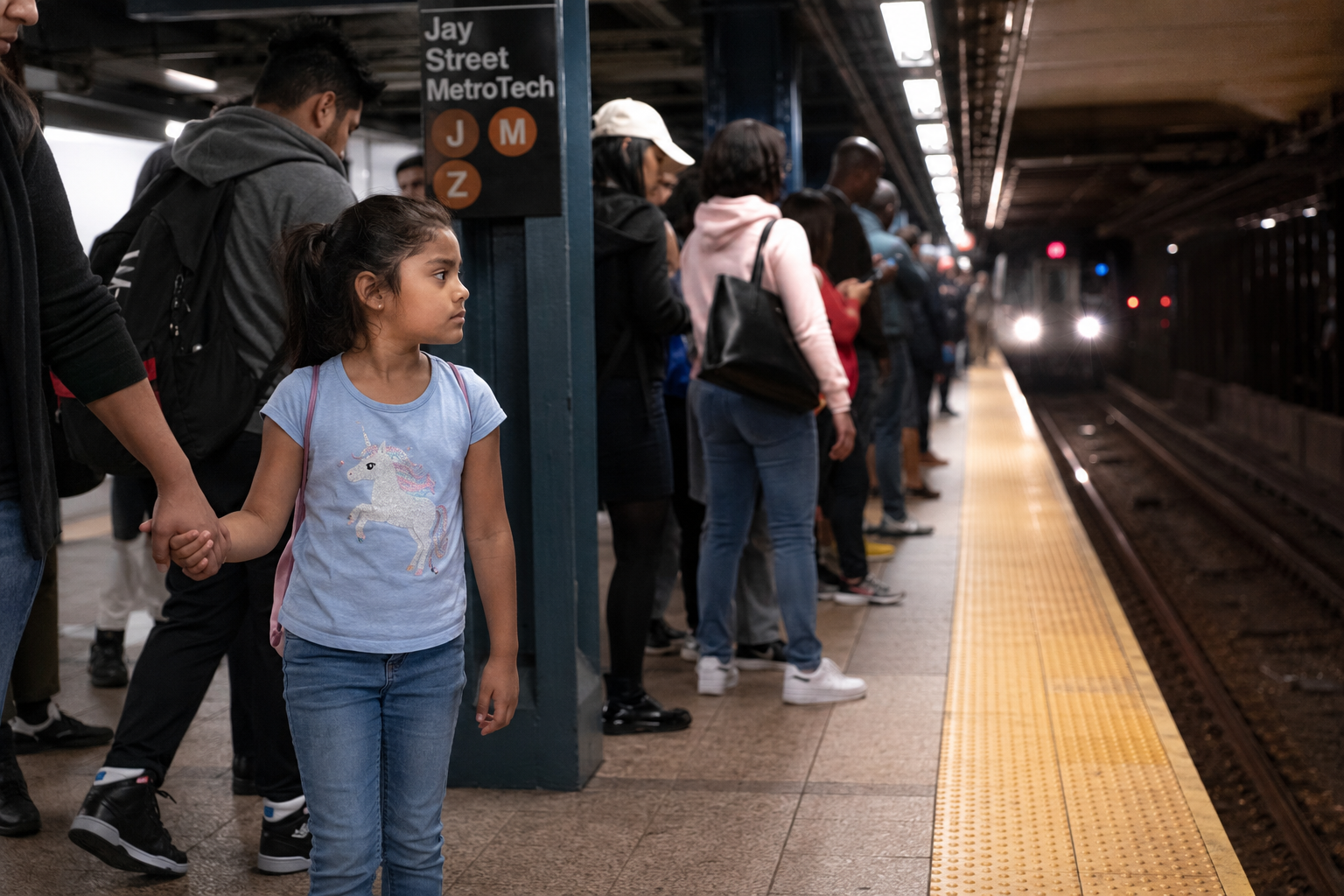
If you walk through any neighborhood in the five boroughs on a Tuesday morning, everything looks like business as usual. Subways are humming, bodegas are slinging coffee, and kids are heading to school. But beneath that fast-paced rhythm, millions of working families, single parents, and neighborhood teachers are running on a treadmill that is moving faster than they can keep up with.
In a city known for its resilience and ambition, a quiet emergency is unfolding inside apartment living rooms and public school classrooms. It isn't always captured in national headlines, but it is felt deeply every single month when the electric bill arrives, when the grocery total hits the register, or when a teacher pulls out their personal credit card to buy basic notebooks for their students.
That reality is why the All for One Kindness Initiative exists. Born out of a simple belief that no one in our community should fall through the cracks, this grassroots effort was built to deliver immediate, human-to-human relief where it is needed most.
1. The Reality of the 5 Boroughs: Beyond the Numbers

To understand why direct mutual aid is so vital right now, you only have to look at the economic reality facing everyday New Yorkers.
Recent economic studies and poverty tracking in New York City reveal a striking truth: over 26% of New Yorkers—nearly 2.2 million people—are living below the poverty line. Even more alarming, nearly 3 in 5 NYC residents live in low-income or near-poverty conditions. That means almost half of our neighbors are just one unexpected emergency, one missed shift, or one spike in utility rates away from a financial tailspin.
The burden isn't distributed evenly across our city:
The Bronx: Continues to face the highest concentration of economic hardship, with poverty rates hovering around 28% and severe food insecurity impacting tens of thousands of households.
Brooklyn: Houses the largest sheer volume of residents struggling to keep up with skyrocketing rent, grocery costs, and basic living expenses.
Queens, Manhattan, & Staten Island: Hundreds of thousands of working families quietly navigate high utility burdens, often choosing between paying a ConEdison shut-off notice or keeping food in the fridge.
When you live right on that razor's edge, traditional bureaucracy is often too slow. When your electricity is scheduled to be shut off in 48 hours, or when your refrigerator is empty today, waiting months for an administrative review isn't an option. You need neighborly, direct intervention.
2. The Unseen Burden on Our Teachers & Classrooms
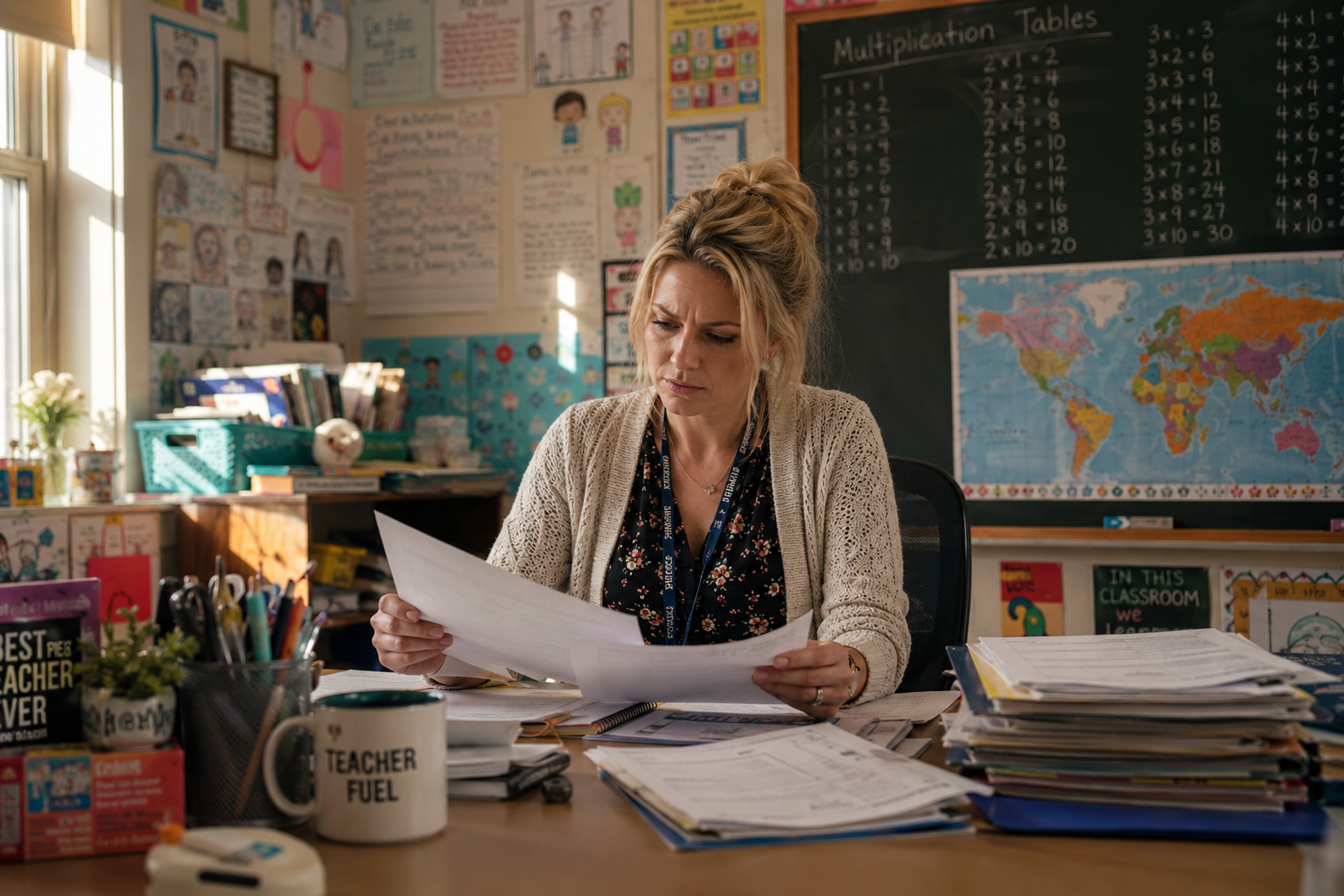
The crisis isn't only happening inside homes—it’s right inside our neighborhood public schools.
As the new school year approaches, families across NYC are scouring stores for basic back to school supply lists. But for many parents living at or near the poverty line, buying a full stack of supplies for two or three children simply isn't in the budget.
Who steps up when a child walks into class on day one without a pencil or a folder? The teachers.
Across the country and right here in NYC, the average educator spends between $500 and $800 out of their own pocket every single year to equip their classrooms. They aren't buying luxury items; they are stocking up on fundamental essentials:
Bulk Ticonderoga #2 pencils and wide-ruled composition notebooks
Low-odor Expo dry-erase markers and dry-erase pocket sleeves
Elmer's glue sticks, Crayola crayon classpacks, and blunt-tip scissors
Hand sanitizer, tissues, and reams of copy paper
Teachers choose this profession out of love and commitment, but they shouldn't have to subsidize a public system from their personal paychecks. When we help a teacher "clear the list," we aren't just buying stationery—we are taking financial pressure off an educator and making sure no young student feels ashamed on their first day of school.
3. What Is the All for One Kindness Initiative?
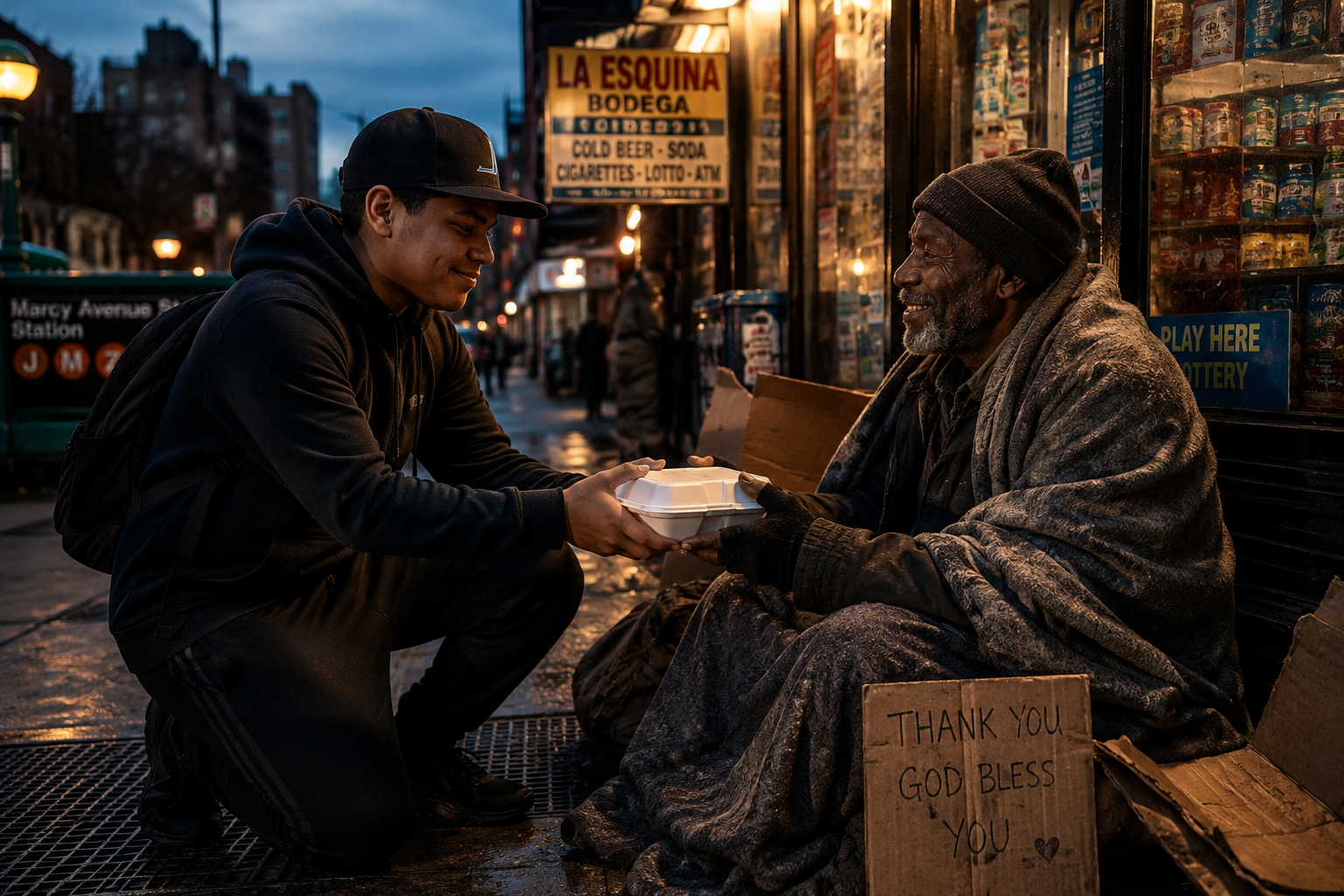
The All for One Kindness Initiative is an independent, grassroots mutual aid effort focused on hyper-local, direct-impact support.
We don't operate with high administrative overhead, complex institutional red tape, or distant corporate boards. Instead, we act as an agile bridge between people who want to give and neighbors who urgently need a hand.
Who Exactly Do We Help?
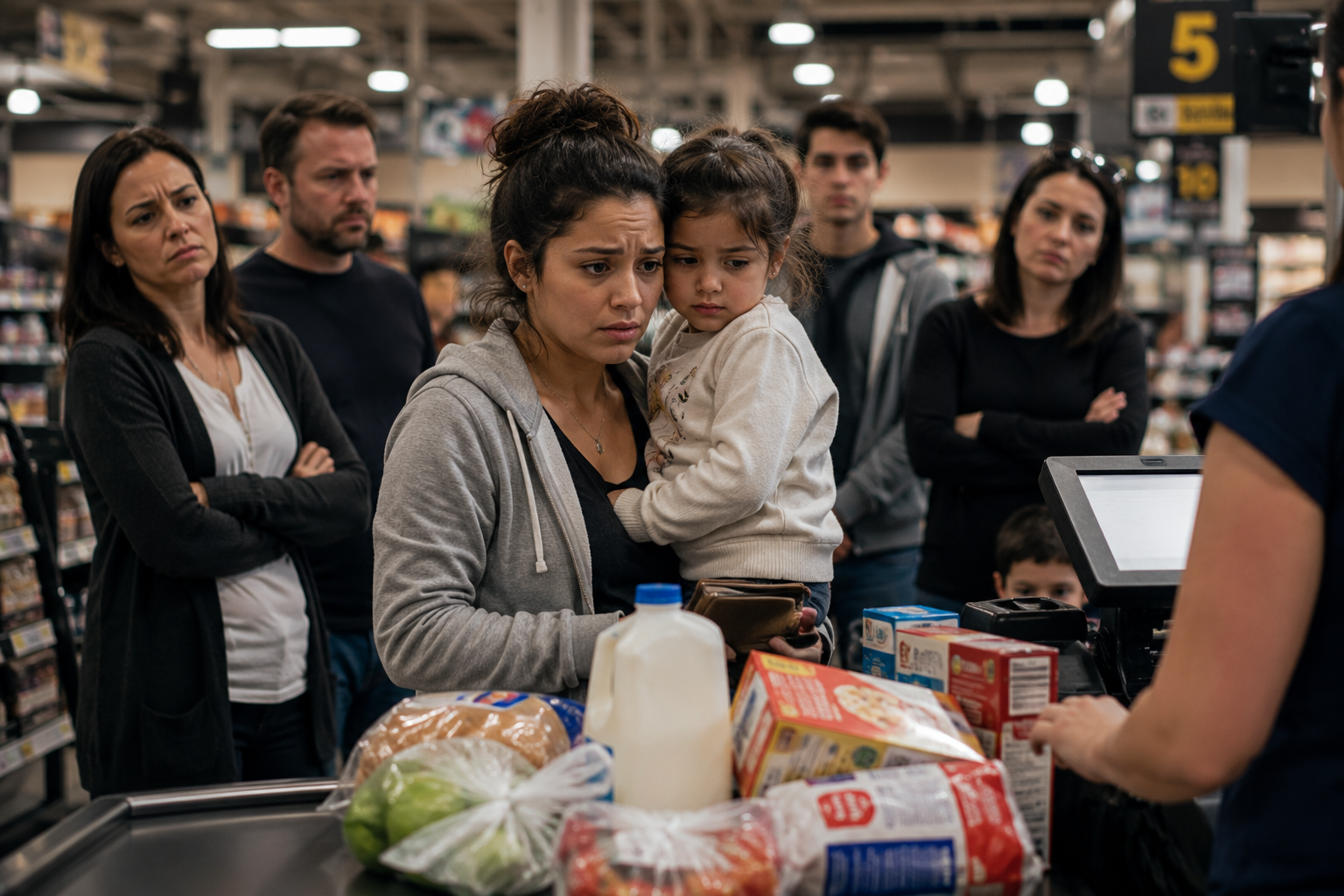
Families Facing Utility Shut-Offs: Working parents or seniors who are weeks away from having their power or gas cut off. We step in to pay the bill directly so the lights stay on.
Food-Insecure Households: Families who need help putting groceries on the table or who need a complete Thanksgiving dinner basket during the holiday season.
Local Educators & Students: Public school teachers in high-need neighborhoods who need their classroom supply wishlists fully funded.
Everyday New Yorkers Needing a Lift: Pop-up acts of kindness—like covering a morning coffee run, hosting a free laundry day at a local laundromat, or buying a tank of gas for a working parent.
4. Why Grassroots Direct Aid Works: Transparency & Trust
If you’ve ever hesitated before donating to a charity, you’re not alone. Potential donors often wonder: Where does my money actually go? How much gets eaten up by admin costs? Does it really make a difference?
Here is how All for One answers those questions:
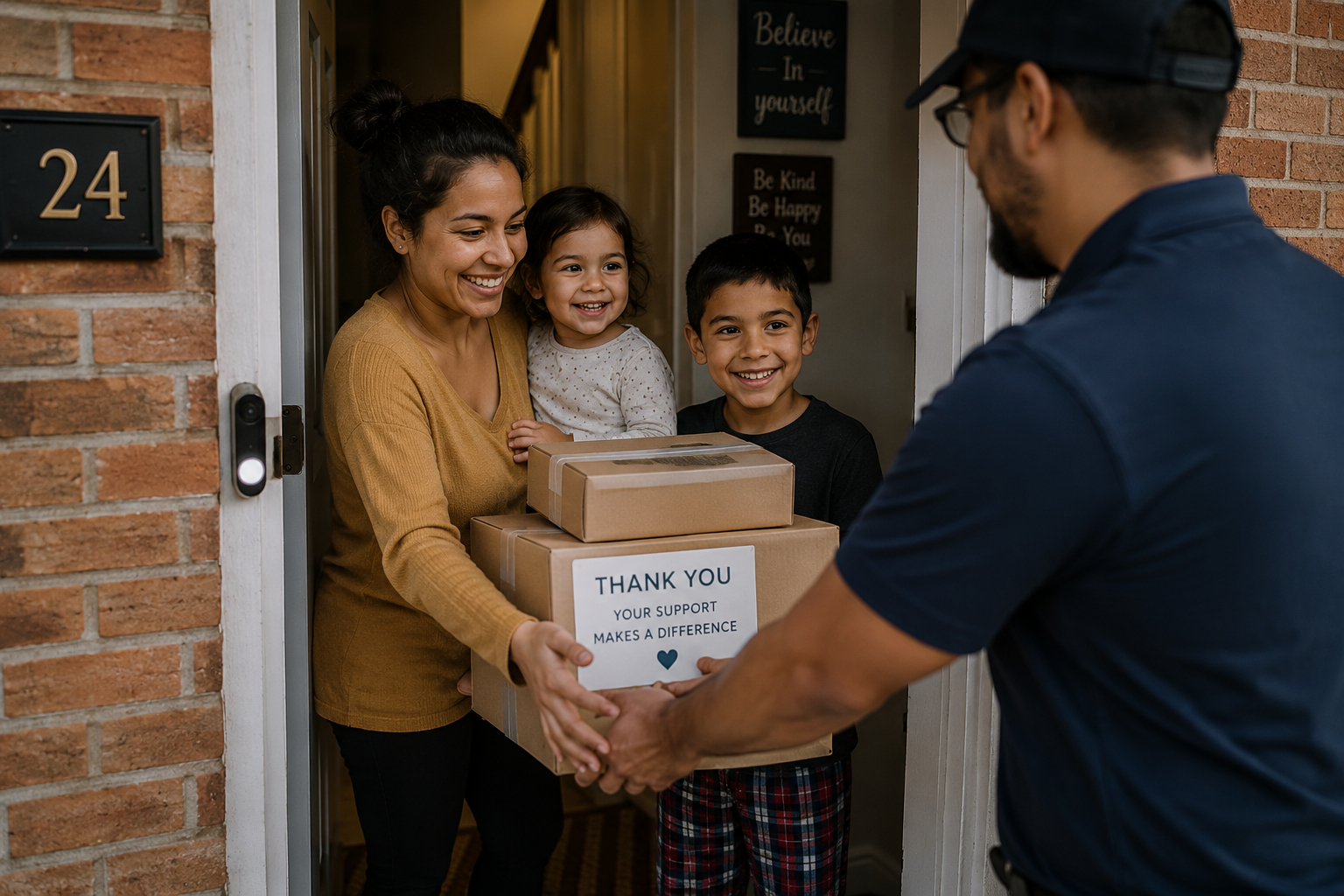
100% Direct Proof & Transparency We document every single act of kindness we perform. When we raise $300 for classroom supplies, we film the shopping trip, show the receipt at the register, and document the boxes being handed over to the school. When we clear an overdue electric bill, we show the confirmation receipt with a $0 balance. You see the exact impact of your dollar in real-time.
No Middlemen, No Delay Because we operate on a direct community model, help moves at the speed of real life. A $10 or $20 contribution doesn't sit in a fund for six months—it gets deployed immediately to solve an active problem this week.
Preserving Human Dignity Hardship can happen to anyone. Whether it’s a sudden illness, job loss, or rising inflation, needing help isn't a moral failure. We approach every family, teacher, and individual with respect, compassion, and solidarity—never pity.
5. The $67 Spark: Proof That Small Amounts Build Movements
It’s easy to look at big systemic issues like poverty or funding shortages and feel powerless. You might ask yourself: "What can my $5 or $10 really do?"
The answer is: Everything.
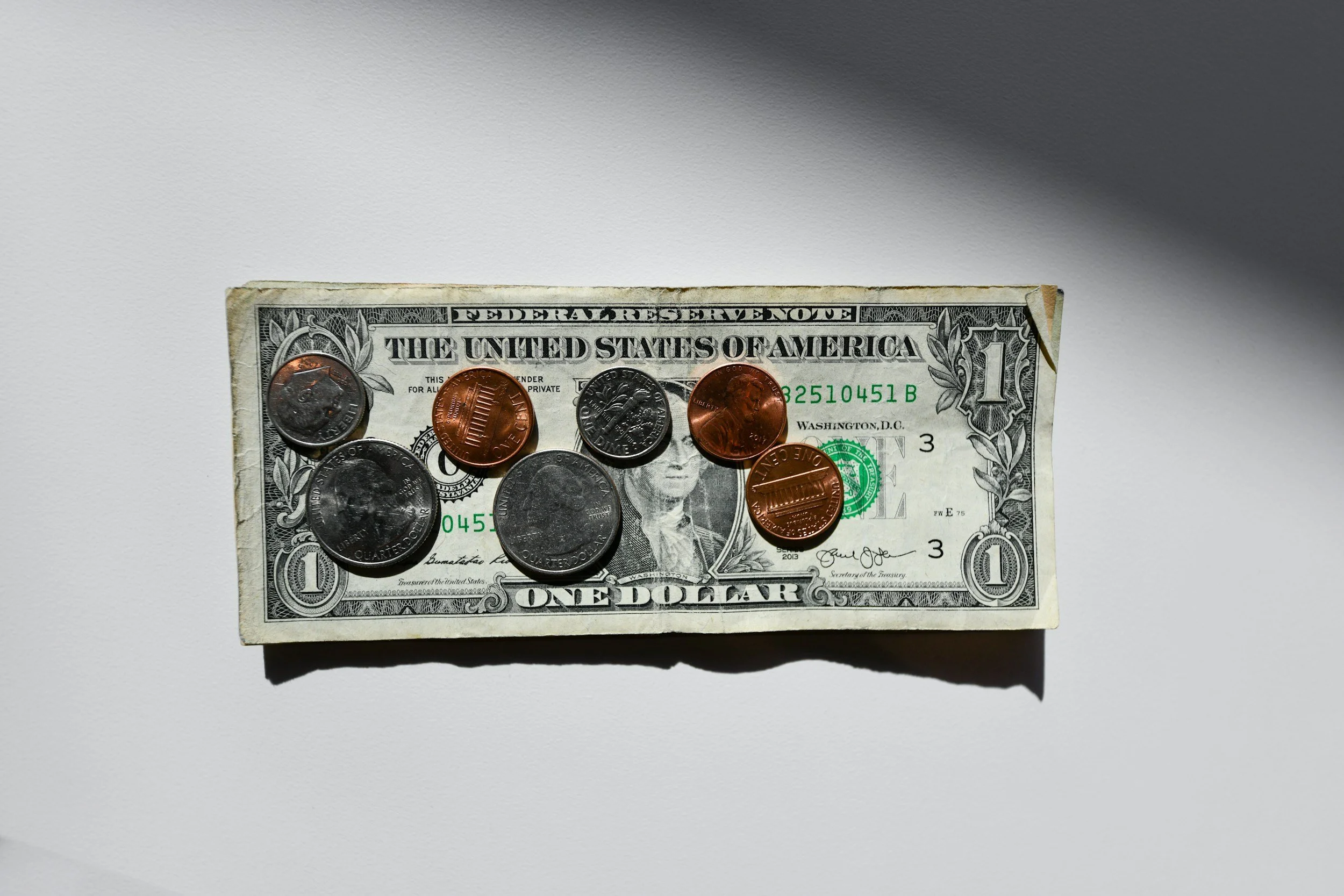
Recently, as we reignited the All for One movement, we raised $67 in less than 72 hours. That wasn't a corporate grant—it was everyday people throwing in what they had. That $67 was the spark that proved momentum is real.
$5 buys 10 notebooks and pencils for a student in need.
$15 funds a full classroom set of dry-erase markers.
$50 keeps someone's lights running for another week.
$100 puts a full Thanksgiving dinner on a family's table.
When dozens of neighbors join together, $5 contributions turn into $300 classroom transformations. $20 contributions turn into fully paid utility bills that keep a home warm and safe.
6. How You Can Join the Movement Today
You don't need to be a millionaire to change someone's life. Being part of the All for One Kindness Initiative is about showing up with whatever resources, time, or voice you have.
Here are three simple ways you can make an immediate impact right now:
Chip In What You Can: Whether it’s $5, $15, or $50, your donation goes directly toward funding our current campaign—getting school supplies into the hands of local NYC teachers and students before the first bell rings.
Nominate a Cause or Classroom: Do you know an educator who needs their supply list cleared? Or a family in the five boroughs who is quietly struggling to keep up with their utility bills? Reach out and let us know.
Spread the Word: Share our story on TikTok, Instagram, or Facebook. Algorithms follow engagement, and every time you like, comment, or share a video, you help put our mission in front of someone else who can help.
A Final Word: Kindness Is an Action Word
New York City has always been defined by the strength of its people. We are a city of neighbors who look out for one another when things get tough.
The All for One Kindness Initiative isn't just a fundraiser—it's a promise that no one has to stand alone in the dark. By choosing to give, share, or participate, you are putting real kindness into motion and proving that when we stand together, all of us can lift one of us.
Ready to make a difference today?
Visit our official GiveButter Portal to view our active micro-campaigns, track our progress live, and chip in to support a local NYC classroom or family this week!