Why One Dollar Can Change a Community: The Power of Grassroots Fundraising
"We're not asking one person to change the world. We're asking millions of people to change one neighborhood at a time."
When most people hear the word fundraising, they imagine black-tie charity galas, million-dollar donors, or massive nonprofit organizations with enormous budgets.
It's understandable.
That's the image we've been shown for years.
But what if real change doesn't begin with millionaires?
What if it begins with someone reaching into their pocket and saying,
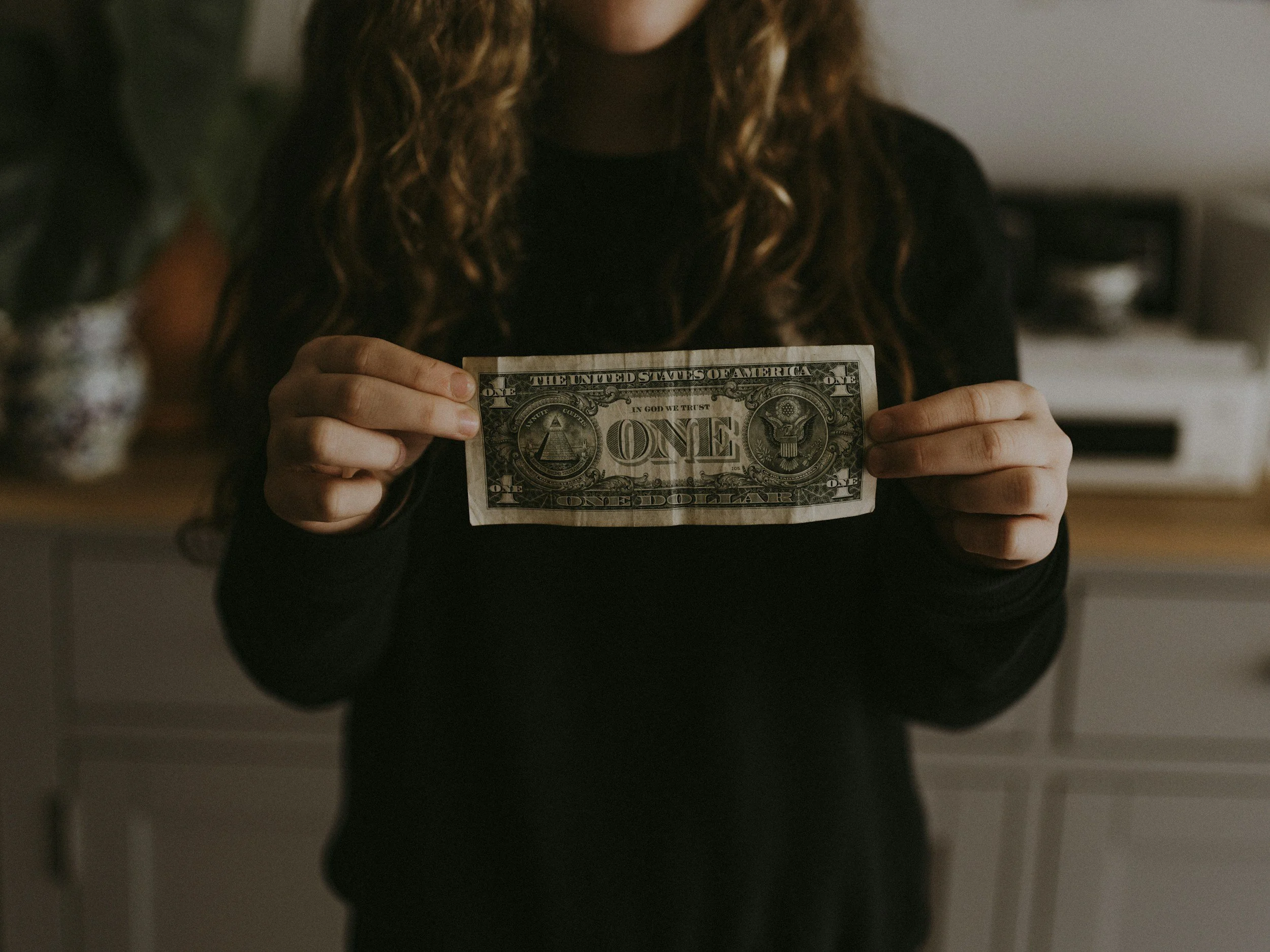
"I can spare a dollar."
That may not sound like much.
In fact, most of us probably wouldn't think twice if we misplaced a dollar.
Yet history has shown us something fascinating:
Communities have never been transformed by one person doing everything.
They've been transformed by thousands of people doing something.
That's the idea behind grassroots fundraising.
And it's the idea that inspired All for One.
What Is Grassroots Fundraising?
If you've searched for terms like grassroots fundraising, community fundraising, or how to raise money for a local cause, you've probably noticed something.
Almost every article talks about techniques. Host a bake sale. Run a 5K. Sell raffle tickets. Launch an online campaign.
Those are wonderful ideas.
But they're only tools.
Grassroots fundraising isn't really about events.
It's about ownership.
It's about neighbors deciding that the people around them matter.
Instead of waiting for someone else to solve a problem, communities come together to become part of the solution.
That's what makes grassroots fundraising so powerful.
It reminds us that change doesn't always start at the top.
Sometimes it starts on your own block.
We Used to Think This Way
Think back for a moment.
Maybe you grew up on a street where everyone knew everyone else's name.
If a family fell behind on rent, somebody quietly helped.
If a child needed school supplies, neighbors made sure they got them.
If someone got sick, meals appeared on the porch without anyone asking.
Nobody called it community outreach.
Nobody called it philanthropy.
It was simply what neighbors did.
Somewhere along the way, many of us became more connected through technology—but less connected to the people living right next door.
That doesn't mean kindness disappeared.
It simply means we have to be more intentional about rebuilding it.
Why Small Donations Matter
One of the biggest misconceptions about charitable giving is that only large donations make a difference.
The truth is almost the opposite.
Many of the world's most successful nonprofit organizations rely on thousands of small donations rather than a handful of large ones.
Why?
Because small donations create something much larger than money.
They create participation.
When someone contributes one dollar, they aren't just giving.
They're saying,
"I'm part of this."
That sense of belonging is what turns supporters into communities.
The Mathematics of Hope
Imagine asking one person to donate one million dollars.
Almost impossible.
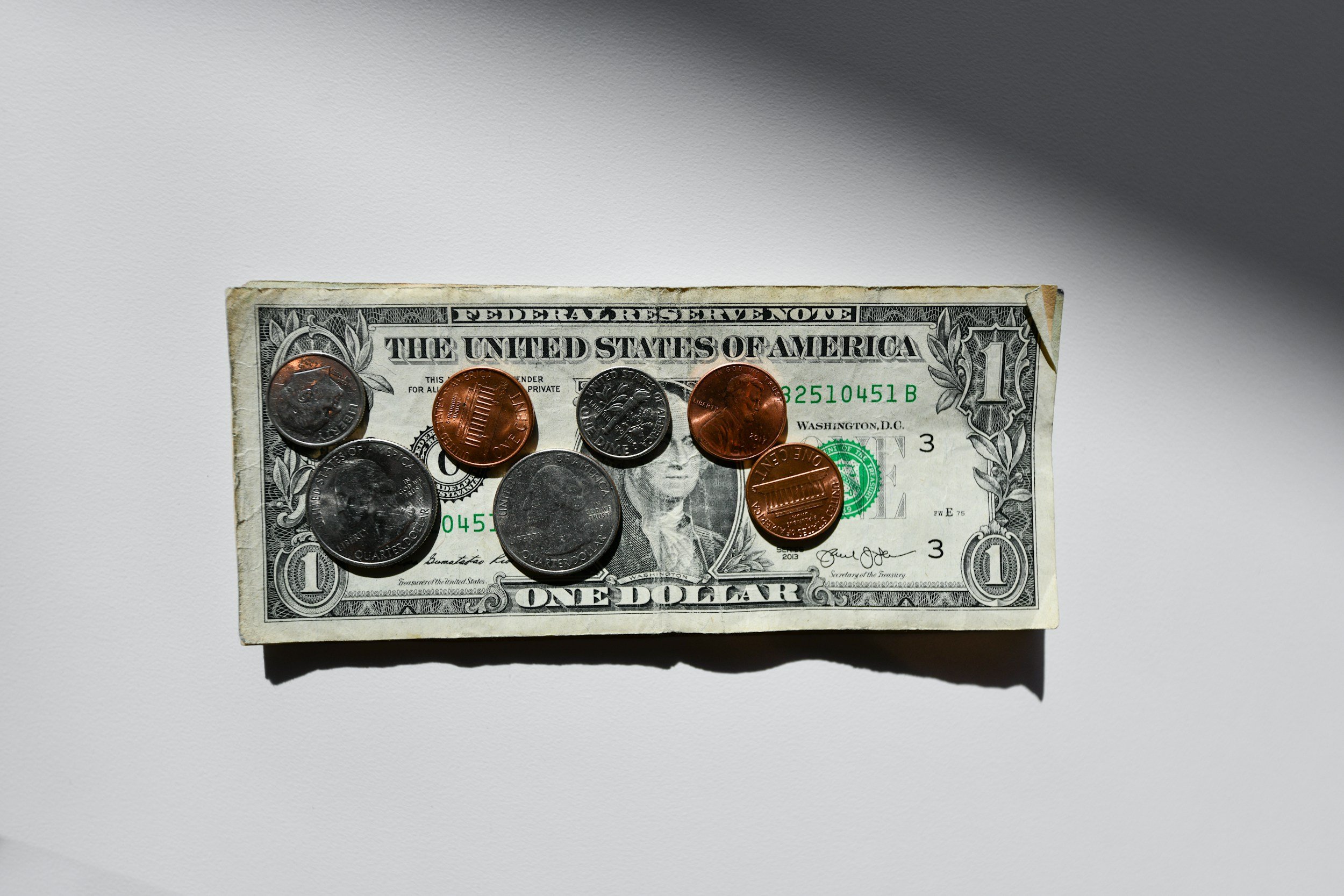
Now imagine asking one million people to donate one dollar.
The math changes.
More importantly...
The psychology changes.
People stop feeling overwhelmed.
Instead of wondering whether they can afford to make a difference...
They realize they already can.
Why We Created All for One
All for One wasn't created because the world needed another fundraising campaign.
It was created because we believe communities are still filled with good people looking for meaningful ways to help.
People don't need convincing that kindness matters.
Sometimes they simply need an invitation.
That's why our mission is intentionally simple.
One act of kindness.
One dollar.
One neighbor helping another.
Those small moments create something much bigger than any single donation ever could.
The Ripple Effect of Kindness
Kindness is contagious.
Research has shown that when people witness acts of generosity, they're often more likely to help someone else.
A handwritten thank-you note inspires another thoughtful gesture.
A volunteer encourages another volunteer.
A single dollar becomes a meal.
That meal gives someone hope.
Hope inspires action.
And action strengthens communities.
Every meaningful movement begins with one person choosing to care.
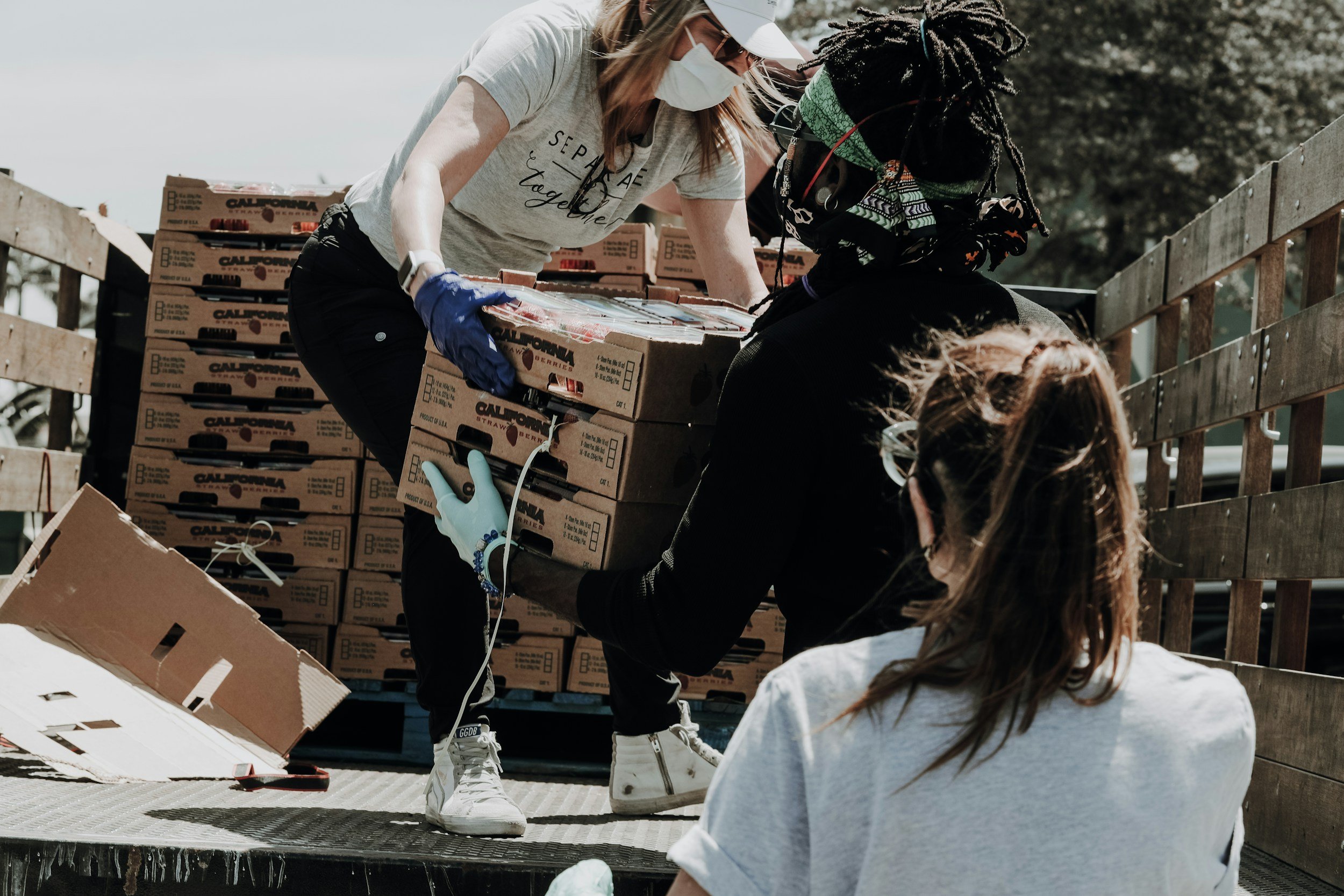
How You Can Help Your Community Today
You don't need a nonprofit organization to start making a difference.
You can begin today.
Buy someone a coffee.
Write a thank-you card to a teacher.
Help an elderly neighbor carry groceries.
Donate a dollar to a family in crisis.
Volunteer an hour of your time.
Support a local food pantry.
Smile at someone who looks like they're having a difficult day.
None of these actions will change the entire world.
But each one has the potential to change someone's world.
One Neighborhood at a Time
The goal has never been to solve every problem overnight.
The goal is to remind people that community still matters.
That kindness still matters.
That ordinary people still have extraordinary power when they work together.
We're not asking one person to change the world.
We're asking millions of people to change one neighborhood at a time.
That's how movements begin.
Not with grand speeches.
Not with impossible expectations.
But with ordinary people making ordinary decisions that create extraordinary results.
One dollar.
One act of kindness.
One neighbor helping another.
Together, those small acts become something extraordinary.
One Community. One Heart. One Mission.